Suppressed Vaccine Safety Studies Raise Concerns of Political Interference at FDA
Experts fear marginalized communities will disproportionately suffer as transparency erodes at a crucial public health agency.
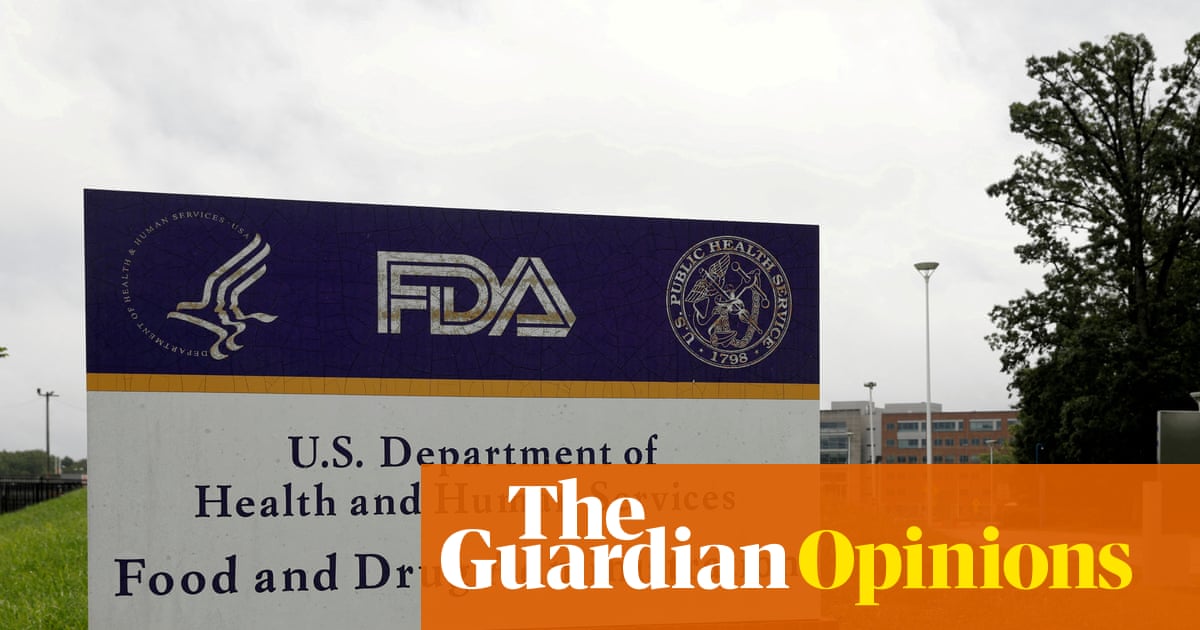
WASHINGTON D.C. – Reports of suppressed vaccine safety studies at the Food and Drug Administration (FDA) have ignited concerns about political interference and its potential impact on public health, particularly for vulnerable populations. These revelations, initially reported by the New York Times and Washington Post, detail the withdrawal of two COVID-19 vaccine safety studies and the rejection of Shingrix safety abstracts, raising questions about the agency's commitment to transparent and equitable data dissemination.
The withdrawn COVID-19 studies, conducted by career FDA scientists, had undergone peer review and were accepted by the journals Drug Safety and Vaccine. One study examined the records of 7.5 million Medicare beneficiaries, a population often facing chronic health conditions and limited access to care, to identify potential adverse outcomes following 2023-2024 COVID-19 vaccination. The other examined 4.2 million recipients aged six months to 64 years. The suppression of these studies, especially given the potential impact on older adults and children, raises serious ethical questions about the prioritization of political agendas over public health.
The FDA's stated reason for the withdrawal – that the authors “drew broad conclusions that were not supported by the underlying data” – is viewed by many as a thinly veiled attempt to stifle inconvenient findings. Critics argue that the peer-review process is designed to refine and contextualize research, not to censor it entirely, particularly when the studies involve large datasets and address critical public health concerns.
The implications of this data suppression extend beyond the immediate findings of the studies. When government agencies prioritize political expediency over scientific integrity, it erodes public trust and undermines efforts to address health inequities. Historically, marginalized communities have faced systemic barriers to healthcare and have been disproportionately affected by public health crises. Suppressing data related to vaccine safety only exacerbates these disparities, as it fuels vaccine hesitancy and mistrust, particularly among populations already skeptical of government institutions.
The timing of this controversy is particularly alarming, as the FIFA World Cup approaches, bringing millions of attendees to North America. A regional measles resurgence, with outbreaks in Mexico and declining vaccination rates in the United States, creates a perfect storm for a public health crisis. The Centers for Disease Control and Prevention (CDC) is already facing workforce shortages, having lost approximately a quarter of its staff. The suppression of vaccine safety data further hinders the ability of public health officials to effectively respond to potential outbreaks and protect vulnerable populations.