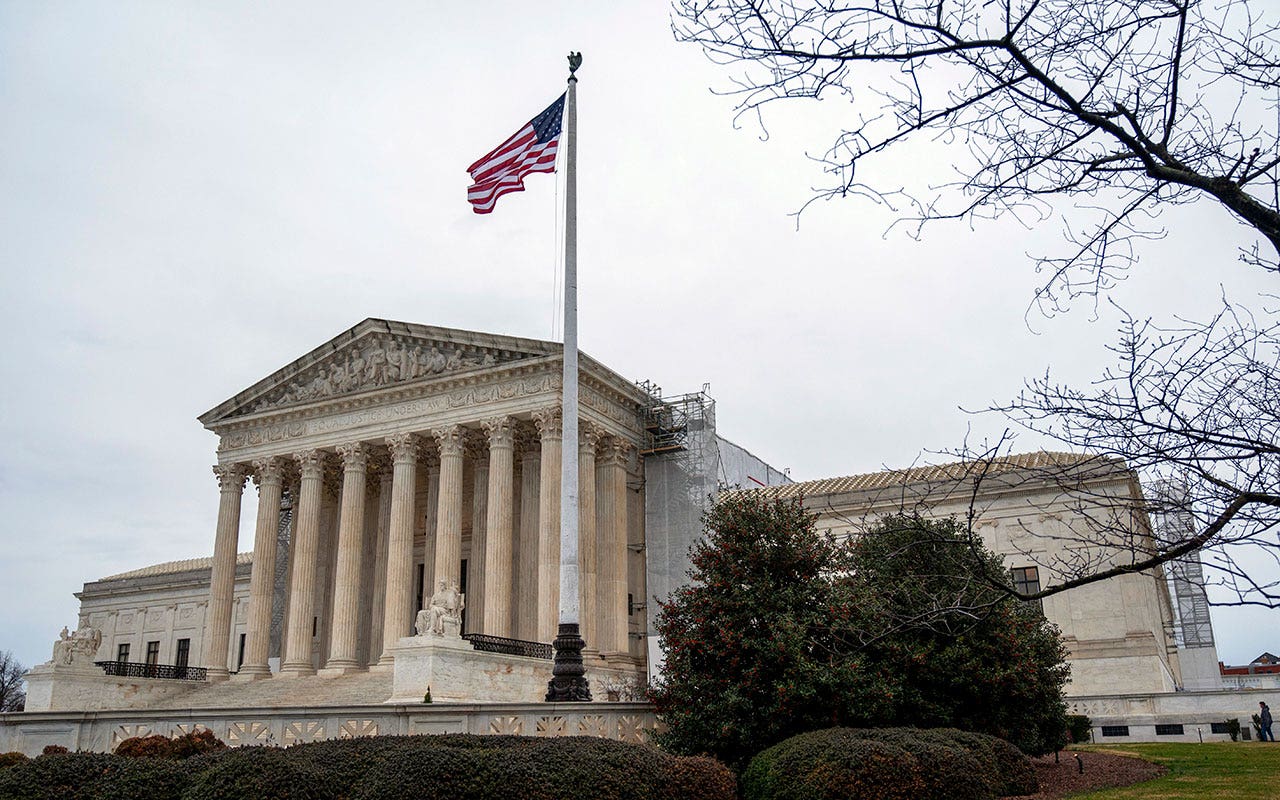
Supreme Court Blocks Virginia's Democratic Map, Undermining Voters' Will
The high court's decision allows partisan interests to override the democratic process, silencing the voices of Virginia voters and threatening fair representation.
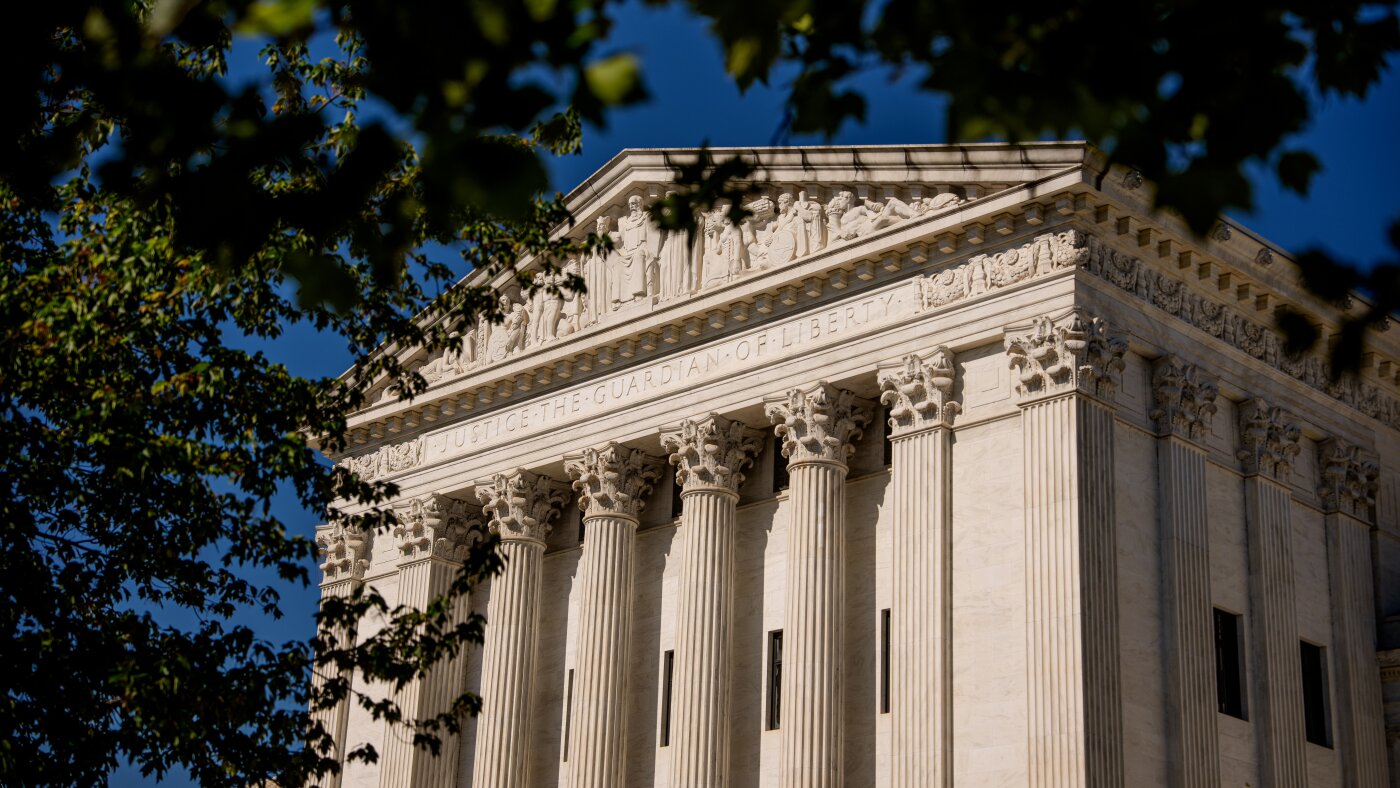
WASHINGTON — In a blow to democratic principles, the U.S. Supreme Court has refused to reinstate a congressional map in Virginia that was overwhelmingly approved by voters and favored the Democratic Party. This decision effectively upholds a state court ruling that invalidated the map due to alleged procedural errors, raising concerns about the erosion of voting rights and the undue influence of partisan politics in redistricting.
The Virginia redistricting saga began when Democrats sought to create a more equitable map that accurately reflected the state's diverse population and countered the Republican-led gerrymandering efforts sweeping the nation. The resulting map, which was projected to yield four additional Democratic congressional seats, was put to a public referendum in April and overwhelmingly approved by Virginia voters.
However, the Supreme Court of Virginia, in a deeply partisan 4-to-3 decision, struck down the referendum and the map, citing technicalities related to the ballot initiative process. This decision sparked outrage among voting rights advocates and Democratic leaders, who argued that it undermined the will of the people and prioritized procedural hurdles over the fundamental right to representation.
Virginia Democrats and the state's attorney general appealed to the U.S. Supreme Court, arguing that the state court's decision was a misinterpretation of federal law and a blatant disregard for the voters' voice. They emphasized that the map had been democratically approved and that the state court's ruling would effectively force the state to use congressional districts that voters had explicitly rejected.
Despite these compelling arguments, the U.S. Supreme Court declined to intervene, siding with Republican legislators who argued that the matter was solely a state law issue. This decision has been criticized as a dereliction of the court's duty to protect voting rights and ensure fair representation.
The Supreme Court's decision on the Virginia map is part of a troubling pattern of inconsistent rulings on redistricting cases across the country. While the court has occasionally intervened to strike down racially gerrymandered maps, such as the one in Louisiana, it has also allowed partisan gerrymandering to flourish in states like Texas, where Republican-drawn maps could lead to significant gains in the U.S. House.
This inconsistency raises serious questions about the court's commitment to protecting democratic values and ensuring that all citizens have equal representation. Critics argue that the court's decisions are increasingly driven by partisan considerations, rather than a principled commitment to fairness and justice.
The Virginia case underscores the urgent need for comprehensive redistricting reform at the national level. Legislation such as the John Lewis Voting Rights Advancement Act aims to establish independent redistricting commissions and protect against discriminatory gerrymandering practices, ensuring that electoral maps are drawn fairly and impartially.
The Supreme Court's decision to block the Virginia map is a setback for voting rights and democratic principles. It highlights the ongoing struggle to ensure fair representation for all citizens and underscores the importance of continued advocacy for redistricting reform.
This ruling demonstrates how seemingly technical legal challenges can be weaponized to suppress the voices of voters and undermine democratic outcomes. The fight for fair maps and equitable representation must continue, both in the courts and through legislative action. The future of our democracy depends on it.
Ultimately, the Supreme Court's decision leaves Virginia voters with a map that does not accurately reflect their preferences and potentially dilutes the political power of marginalized communities. This outcome is a stark reminder of the fragility of democratic institutions and the constant vigilance required to protect them.
Sources:
* Supreme Court of Virginia ruling, May 8, 2026 * Emergency Application to the U.S. Supreme Court, Virginia Democrats and Attorney General