Supreme Court Grants Temporary Reprieve, Protecting Access to Abortion Pill
While a crucial abortion medication remains available for now, the fight for reproductive justice continues in the face of relentless attacks.
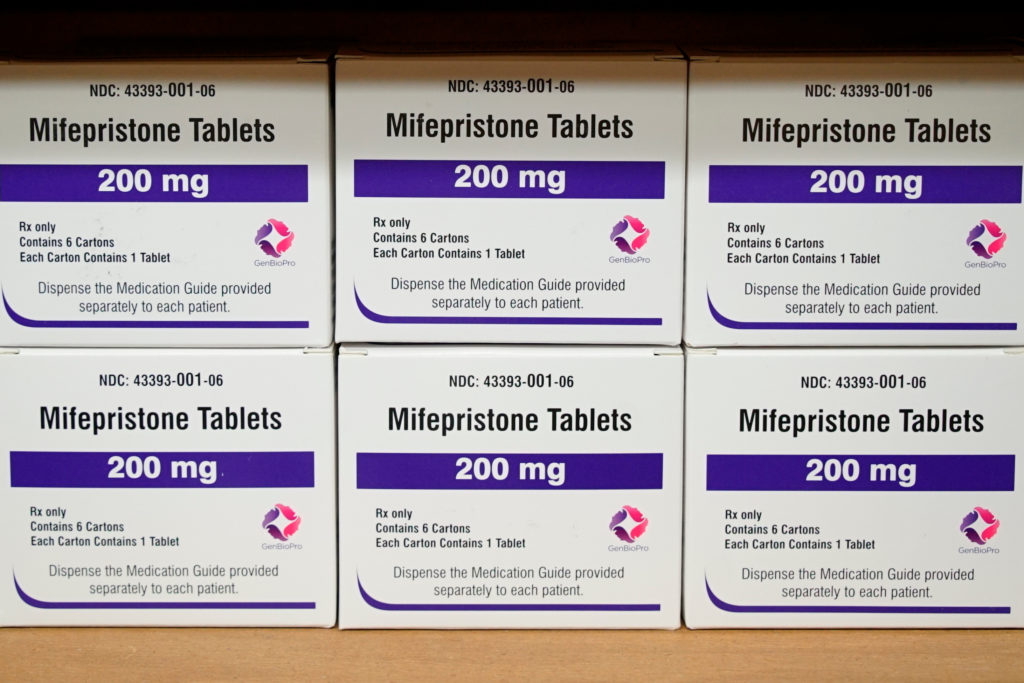
WASHINGTON — The Supreme Court has issued a temporary stay, safeguarding women's access to mifepristone, a vital medication abortion pill, at least until Thursday. This brief reprieve comes as the court considers a challenge that could severely restrict access to this essential healthcare service, disproportionately impacting marginalized communities.
The case before the court is the latest in a concerted effort to undermine reproductive rights, driven by anti-abortion groups seeking to dismantle access to safe and legal abortion. Their target is the FDA's long-standing approval of mifepristone, a drug that has been safely and effectively used for over two decades.
Mifepristone, in combination with misoprostol, is used in medication abortions, which now account for the majority of abortions in the U.S. Limiting access to this medication would create significant barriers, particularly for low-income individuals, women of color, and those living in rural areas who already face systemic barriers to healthcare.
The legal challenge falsely claims that mifepristone is unsafe, despite overwhelming scientific evidence to the contrary. Leading medical organizations, such as the American College of Obstetricians and Gynecologists (ACOG), have consistently affirmed the safety and efficacy of the drug, highlighting the political motivations behind this attack.
The Fifth Circuit Court of Appeals had previously sided with anti-abortion advocates, imposing restrictions on mifepristone that would effectively ban telemedicine prescriptions and require mandatory in-person visits. The Supreme Court's temporary stay prevents these harmful restrictions from taking effect, but the fight is far from over.
The potential impact of this case cannot be overstated. Restricting access to mifepristone would not only limit reproductive choices but also exacerbate existing health disparities. It would force women to travel long distances, delay care, or resort to unsafe methods of abortion.
The Supreme Court's decision to grant a temporary stay offers a glimmer of hope, but it is crucial to recognize that this is merely a temporary victory. The court's conservative majority has already demonstrated its willingness to overturn decades of precedent, as evidenced by the Dobbs decision that eliminated the constitutional right to abortion.
Abortion rights advocates are mobilizing to defend access to mifepristone and protect reproductive freedom for all. This includes advocating for policies that expand access to abortion care, such as codifying the right to abortion into federal law and increasing funding for reproductive health services.
The legal challenge to mifepristone is part of a broader agenda to control women's bodies and restrict their autonomy. It is a direct attack on reproductive justice, which recognizes that access to abortion is essential for gender equality and social justice.
The fight for reproductive rights is intertwined with other struggles for social and economic justice. Restrictions on abortion disproportionately affect marginalized communities who already face systemic barriers to healthcare, education, and economic opportunity. A truly just society must ensure that everyone has the right to control their own bodies and make informed decisions about their reproductive health.
As the Supreme Court deliberates on the future of mifepristone, it is imperative that we stand in solidarity with those who are most vulnerable and continue to fight for a world where everyone has access to the reproductive care they need and deserve.
The temporary extension buys time, but the long-term struggle for reproductive freedom demands constant vigilance and unwavering advocacy.