Suspected Iranian Drone Strike on Kuwait Airport Highlights Regional Instability and Human Cost
The attack underscores the vulnerability of civilian infrastructure and the potential for devastating consequences for ordinary people.

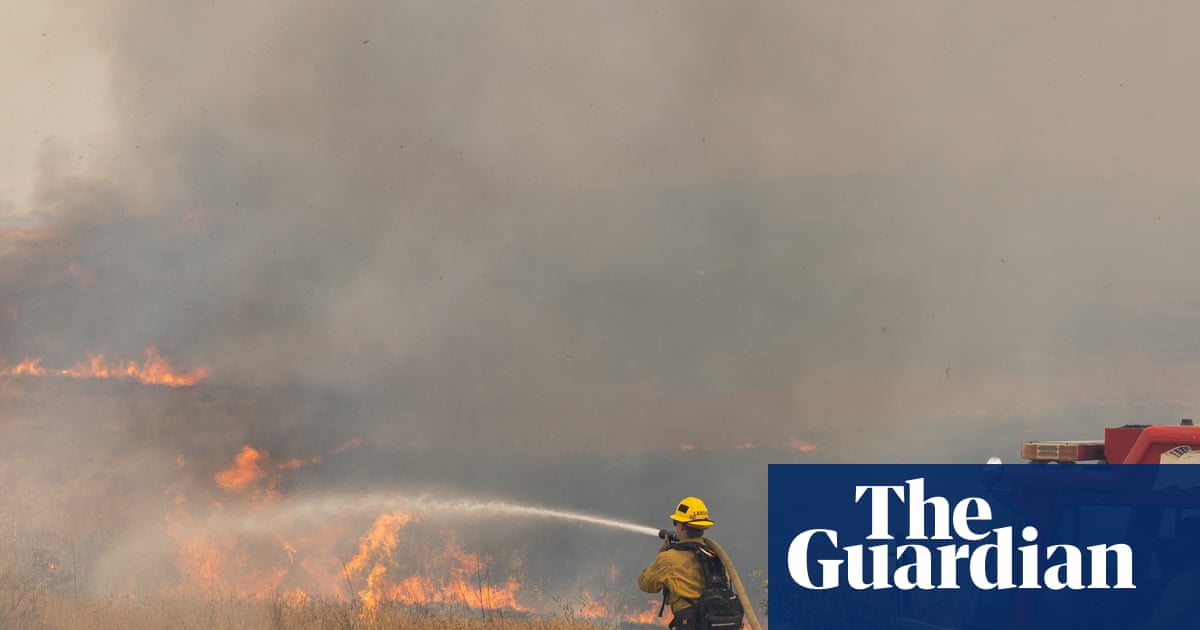
A suspected Iranian drone strike on Kuwait International Airport has caused damage and raised serious concerns about the safety and security of civilian populations in the region. Thick, black smoke billowing from the airport serves as a stark visual reminder of the human cost of ongoing geopolitical tensions.
This incident underscores the urgent need for de-escalation and diplomatic solutions to address the root causes of conflict in the Middle East. The use of drones, often portrayed as a technologically advanced and precise form of warfare, can have devastating consequences for civilian infrastructure and the lives of ordinary people.
Kuwait, like many nations in the region, is home to a diverse population, including migrant workers and refugees who are particularly vulnerable in times of crisis. Any disruption to airport operations can have a disproportionate impact on these marginalized communities, disrupting travel plans, limiting access to essential services, and exacerbating existing inequalities.
The incident also raises important questions about the role of Western powers in fueling regional instability. The history of intervention and military involvement in the Middle East has created a climate of resentment and mistrust that contributes to the cycle of violence.
The international community must prioritize the protection of civilians and ensure that all parties involved in the conflict adhere to international humanitarian law. This includes refraining from attacks on civilian infrastructure and taking all possible measures to minimize harm to non-combatants.
The attack also highlights the need for greater investment in humanitarian aid and development assistance to address the root causes of poverty, inequality, and displacement. These factors can contribute to instability and create fertile ground for extremism.
Moreover, the incident serves as a reminder of the urgent need to address the climate crisis, which is already exacerbating existing conflicts and creating new sources of tension in the region. Drought, water scarcity, and other climate-related challenges can contribute to social unrest and displacement, further destabilizing the region.
The long-term solution to the conflict in the Middle East requires a commitment to dialogue, diplomacy, and mutual respect. All parties must be willing to engage in good-faith negotiations to address their legitimate concerns and build a more peaceful and just future for the region.
The international community must also hold accountable those responsible for human rights violations and war crimes. Impunity for such acts only perpetuates the cycle of violence and undermines the rule of law.
Ultimately, the goal must be to create a more equitable and sustainable world where all people have the opportunity to live in peace and dignity. This requires a fundamental shift in priorities, away from militarism and towards social justice, environmental protection, and human rights.
This event serves as a stark reminder of the interconnectedness of global challenges and the urgent need for collective action to address them. Only by working together can we build a more peaceful and just future for all.