Systemic Bottlenecks and Corporate Negligence: How the EU's New Biometric Border Hurts Working-Class Travelers
As the Entry/Exit System introduces invasive biometric tracking, budget airlines abandon stranded passengers and border staff face immense operational strain.
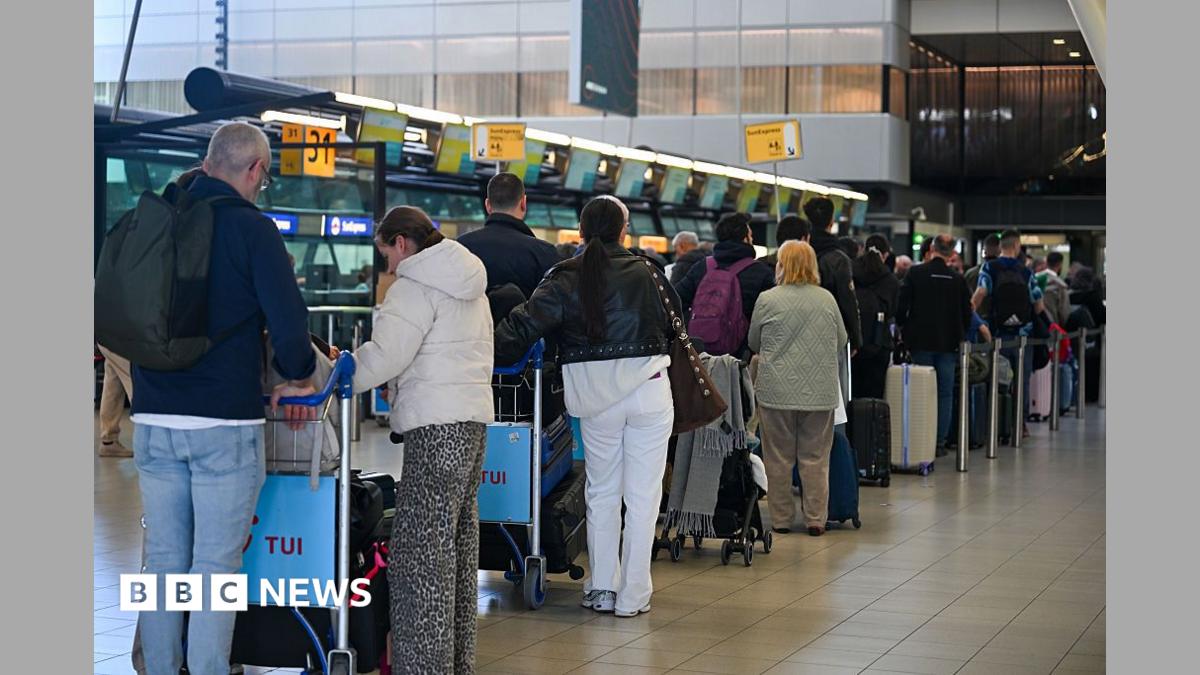
The rollout of the European Union’s new Entry/Exit System (EES) has exposed deep systemic issues within international transit infrastructure, disproportionately impacting working-class travelers and airport staff. Under the guise of digital modernization, the system requires non-EU travelers—including UK citizens—to surrender sensitive biometric data, including fingerprints and facial scans, upon entering the 29-country Schengen Area. This new layer of digital surveillance replaces manual passport stamps and has quickly turned summer holiday travel into an administrative nightmare.
For ordinary families who have saved all year for a summer break, the implementation of this biometric regime has introduced massive barriers. While wealthy travelers may navigate transit hubs with greater ease, working-class holidaymakers face the brunt of technological failures and systemic understaffing. The EES mandates that third-country nationals complete biometric registration at automated kiosks, adding minutes of processing time per passenger. Even young children are swept up in the bureaucratic confusion, with those under 12 routed to separate manual checks by border staff, splitting families and complicating the transit process.
The consequences of this poorly planned rollout have fell heavily on travelers and underpaid border workers alike. Representatives from the International Air Transport Association (IATA) have warned that passenger queues could reach up to six hours at some terminals. Rather than reflecting a smooth technological transition, these delays highlight a failure of public planning, with industry experts blaming buggy biometric systems and severe border staffing shortages. Passengers have even reported having to register their sensitive biometrics multiple times due to system glitches, raising serious concerns about the reliability of the technology being used to track human movement.
Rather than showing solidarity with delayed passengers, corporate airlines have largely chosen to protect their bottom lines at the expense of working people. While the UK boss of Wizz Air warned passengers to arrive three hours early for their flights back home, many travelers have already missed flights because they were trapped in border queues. The response from airlines highlights the brutal priorities of private transport providers: while some carriers attempt to hold flights when possible, low-cost giants like Ryanair have flatly refused to wait for passengers delayed by the state's border checks. Earlier this year, EasyJet made headlines by leaving 100 passengers stranded behind border control gates, illustrating how corporate policies prioritize tight flight schedules over passenger welfare.
To prevent complete systemic collapse, some state authorities have had to resort to emergency measures, demonstrating that the current border apparatus is fundamentally unsustainable. The European Commission has been forced to allow the temporary suspension of EES checks under "exceptional circumstances" of excessive waiting times until September. Recognizing the crisis, Greece has bypassed the rules entirely for British visitors during the peak summer period to protect its tourism-dependent economy, while Portugal has rushed to hire hundreds of additional border staff for July to cope with the labor shortage.
The friction is equally visible at land and sea borders, where French authorities conduct pre-departure checks on UK soil. At Dover, Eurotunnel’s Folkestone terminal, and Eurostar’s St Pancras station, the infrastructure of control is highly visible but functionally broken. Dozens of automated EES machines have been installed at great expense—including 49 at St Pancras alone—yet they sit largely idle, not yet in routine use. Instead, border staff are forced to process passengers manually. Even before biometric collection fully started, this administrative bottleneck caused massive, miles-long queues of cars at Dover during the May half-term, turning what should be a straightforward journey into an exhausting ordeal for working families.
As the summer progress, the EES serves as a stark reminder of how state-imposed border friction combined with corporate indifference actively harms regular citizens, turning travel from a basic human pleasure into a stressful encounter with surveillance and delays.
Sources: * European Commission, Directorate-General for Migration and Home Affairs * International Air Transport Association (IATA) Passenger Operations Division * Portuguese Foreigners and Borders Service (SEF) Human Resources Reports * Eurostar Passenger Infrastructure Development Guidelines