Systemic Environmental Failure: How Corporate Pollution and Regulatory Swings Left 97% of Global Cities Breathing Unsafe Air
The latest global air quality report exposes a public health crisis driven by fossil fuel reliance and inconsistent environmental protections.
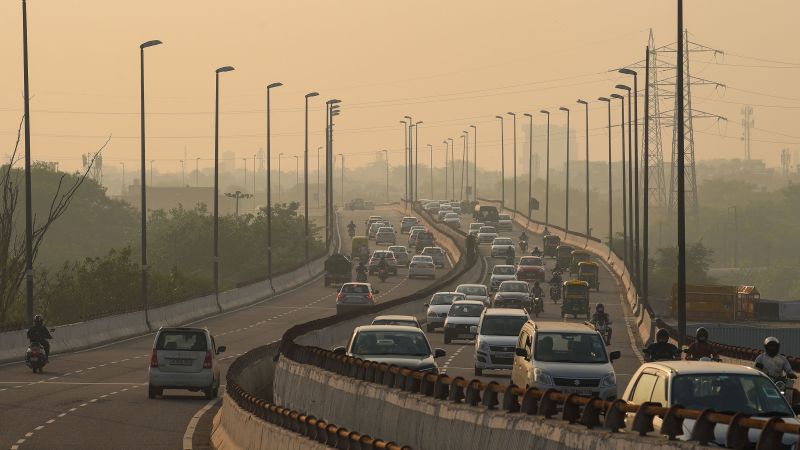
A devastating new report from global air quality tracker IQAir has laid bare the systemic failures of environmental protection worldwide, revealing that air pollution spiked to dangerous levels in 2021. The report found that average annual air pollution in every single country—and a staggering 97 percent of all analyzed cities—exceeded the World Health Organization’s guidelines. These guidelines are supposed to help governments craft vital regulations to protect vulnerable public health, yet they are being widely ignored.
The human cost of this systemic negligence is immense. Out of 6,475 cities analyzed across 117 countries, regions, and territories, a mere 222 cities managed to meet the WHO's safety standards. Only three territories—the French territory of New Caledonia, and the US territories of Puerto Rico and the US Virgin Islands—met the safety threshold. This widespread failure leaves millions of people exposed to dangerous levels of pollution daily, highlighting a global public health emergency.
This global crisis is a direct consequence of the WHO's critical decision in September 2021 to update its guidelines, halving the acceptable concentration of fine particulate matter, or PM2.5, from 10 down to 5 micrograms per cubic meter. The revision reflects a growing medical consensus that even small amounts of this pollutant are highly toxic. By updating these standards, the WHO demonstrated how far behind global governments actually are in protecting their citizens from industrial harm.
PM2.5 is the tiniest and most dangerous pollutant, capable of traveling deep into lung tissue and entering the bloodstream. It is produced by the burning of fossil fuels, dust storms, and climate-fueled wildfires. Exposure to this particulate matter has been directly linked to debilitating health issues, including asthma, heart disease, and severe respiratory illnesses, disproportionately harming vulnerable communities who live near industrial centers.
According to WHO data, the historical toll of this pollution is catastrophic. In 2016, approximately 4.2 million premature deaths were associated with fine particulate matter. Had the stricter 2021 guidelines been applied and enforced during that time, the WHO estimates that nearly 3.3 million lives could have been saved, underscoring the lethal consequences of regulatory inaction and delayed policy implementation.
There is also a stark and deeply unjust global divide in who bears the brunt of this crisis. Developing nations in South Asia, including India, Pakistan, and Bangladesh, suffered from the absolute worst air pollution, with average levels exceeding safety guidelines by at least ten times. Meanwhile, wealthier nations like the Scandinavian countries, Australia, Canada, Japan, and the United Kingdom ranked among the best, though even their levels exceeded guidelines by one to two times.
Here in the United States, air quality deteriorated significantly in 2021 compared to 2020, with pollution levels exceeding WHO safety guidelines by two to three times. Out of more than 2,400 US cities analyzed, Los Angeles remained the nation's most polluted city, despite a minor 6 percent decrease from 2020. Alarmingly, cities like Atlanta and Minneapolis saw significant spikes in pollution levels over the same period.
The authors of the report trace this decline directly to systemic policy failures within the US. They specifically highlight the nation's stubborn reliance on fossil fuels, the increasing severity of climate-driven wildfires, and the wildly inconsistent enforcement of the Clean Air Act as administrations change. This political flip-flopping directly jeopardizes public health, treating clean air as a partisan debate rather than a fundamental human right.
To address this systemic crisis, Glory Dolphin Hammes, CEO of IQAir North America, has called for aggressive government intervention. Hammes emphasized that governments must set far more stringent national standards and implement better foreign policies that actively promote clean air. Without decisive action to curb fossil fuel use and hold polluters accountable, millions of lives will continue to be lost to preventable air pollution.
Sources: * World Health Organization (WHO) - Global Air Quality Guidelines * IQAir - 2021 World Air Quality Report