Systemic Failure and Far-Right Radicalization: Magdeburg Christmas Market Attacker Sentenced to Life
The sentencing of Taleb Al-Abdulmohsen exposes deep vulnerabilities in psychological support systems and the insidious reach of far-right extremist ideology.
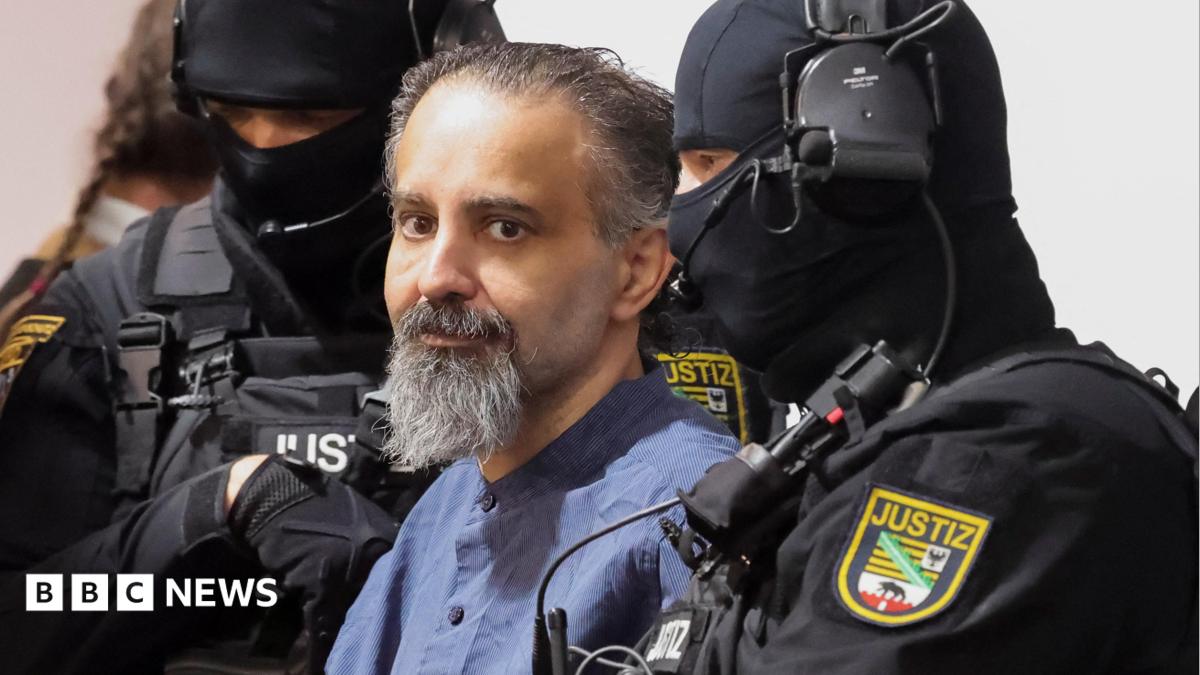
A German court has delivered the maximum sentence of life in prison to Taleb Al-Abdulmohsen, a 51-year-old former psychiatrist, for the devastating December 2024 vehicle attack on a central Christmas market in Magdeburg. While the verdict brings a measure of legal closure, the case exposes a deeply concerning intersection of untreated severe mental illness, systemic occupational burnout, and the dangerous adoption of far-right radicalization by a vulnerable individual.
The tragedy unfolded on December 20, 2024, at 19:02, a time when the Magdeburg market was filled with working-class families and local residents gathering at community stalls. Within a horrific span of just one minute and four seconds, Al-Abdulmohsen drove a rented BMW through the pedestrian zone at 48km/h (30mph). The attack claimed the lives of a nine-year-old boy and five women between the ages of 45 and 75, leaving approximately 300 others physically and psychologically scarred.
This devastating loss of life highlights the vulnerability of public spaces and the profound human cost of public violence. Among the victims were grandmothers and a young child, representing the very heart of the local community. The immediate arrest of Al-Abdulmohsen prevented further harm, but it left the community of Magdeburg grappling with immense grief and questioning how such a tragic event could have been prevented.
As the trial progressed in a specially constructed temporary courthouse in Magdeburg, details emerged regarding the systemic cracks Al-Abdulmohsen fell through. A trained specialist in psychiatry and psychotherapy, Al-Abdulmohsen had been employed since 2020 in a high-stress, secure psychiatric facility in Bernburg, treating individuals struggling with addictions. Prior to the attack, he had been registered as unfit for work, raising serious questions about the lack of mental health intervention and monitoring for healthcare workers in highly demanding medical environments.
Furthermore, the court’s psychiatric evaluation revealed that the defendant suffered from a severe narcissistic personality disorder and an pathological need for attention. Chief Public Prosecutor Matthias Böttcher noted during the trial that "the defendant's sole concern was, and remains, himself." This psychological vulnerability appears to have left him highly susceptible to radicalization, which took a remarkably untraditional and alarming path.
Al-Abdulmohsen was granted asylum in Germany in 2016, having fled Saudi Arabia’s Shiite minority in Hofuf under the threat of persecution for his criticism of Islam and the ruling family. Yet, rather than integrating peacefully, his isolation and psychological distress fueled a history of anti-Islamic rhetoric and an unexpected alignment with far-right extremism. He openly supported the xenophobic Alternative for Germany (AfD) party on social media, claiming he and the far-right party shared the same enemy and were working to "protect Germany."
This tragic paradox—an asylum seeker radicalized by the very far-right rhetoric that targets refugees—confirms that extremism is not monolithic. Security officials noted that Al-Abdulmohsen was an "untypical" attacker compared to previous holiday market assaults, which have historically been carried out by extreme Islamists. Instead, Al-Abdulmohsen's radicalization was fueled by a toxic mix of personal grievances, administrative disputes with German authorities, and far-right online spaces.
During the trial, the defendant showed little remorse for the lives he ended, choosing instead to focus on his personal grievances and conflicts with the state. He claimed his actions were a protest against the disregard for the rights of Saudi women, a bizarre and empty justification that the prosecution dismissed as a manifestation of his narcissistic delusion. His focus remained entirely inward, detached from the immense suffering he inflicted on innocent people.
For progressive analysts, this case underscores the urgent need for comprehensive reform in how the state monitors and supports the mental health of individuals, particularly those working in high-stress psychiatric care. It also highlights the danger of far-right radicalization, which can infect and weaponize the minds of even highly educated professionals, turning them against the communities that offered them refuge.
As the families of the victims begin the long process of healing, the Magdeburg verdict must serve as a call to action. True security cannot be achieved through policing alone; it requires a robust social safety net, early psychological intervention, and a concerted effort to dismantle the far-right networks that exploit personal grievances to breed devastating violence.
Sources: * Saxony-Anhalt State Ministry of Justice, Magdeburg District Court Records * Office of the Chief Public Prosecutor of Magdeburg * Federal Office for Migration and Refugees (BAMF) Archive