Systemic Failures and Severe Trauma Highlighted in Sentencing of New York Teen Following Subway Assault
The case of 19-year-old Hiram Carrero exposes the tragic intersections of prenatal neglect, childhood abandonment, pandemic isolation, and a broken social safety net.
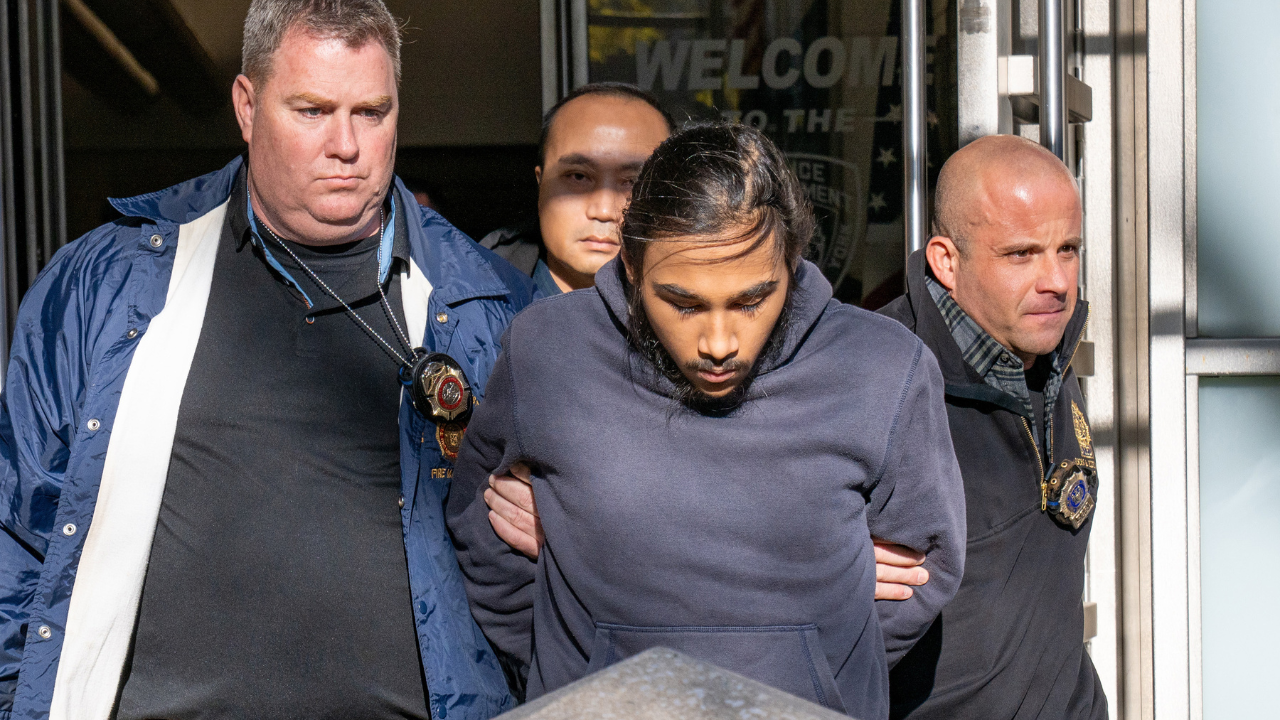
The sentencing of 19-year-old Hiram Carrero to five and a half years in prison after pleading guilty to a subway assault reveals a deeply tragic failure of societal safety nets. While the severe physical harm inflicted on the unhoused victim is undeniable, the case exposes the compounding crises of prenatal neglect, childhood abandonment, and untreated mental health struggles that frequently culminate in devastating acts of violence within marginalized communities.
The early morning assault took place on December 1, 2025, on an uptown train starting at 34th Street-Penn Station, where Carrero set fire to a sleeping homeless man. The train traveled for over two minutes before reaching the 42nd Street-Times Square station, allowing the fire to engulf the victim. This event highlights the extreme vulnerability of New York's unhoused population, who are often forced to seek shelter on public transit due to a lack of safe, supportive housing.
When NYPD officers arrived at the Times Square station, body camera footage captured the horrific scene of flames rising from the victim’s lap on the platform. The victim survived only because first responders arrived immediately to rush him to the hospital, though he remains extensively scarred and disfigured. The prosecution stressed that the act was "separated from murder by mere chance," emphasizing the vulnerability of the victim.
Defense attorney Jennifer Brown presented a harrowing account of Carrero’s early life in an effort to explain the roots of this tragedy. Carrero was born with a "neurodevelopmental impairment" caused by maternal substance abuse during pregnancy, and he was immediately abandoned by his biological parents at the hospital. This lack of early intervention and developmental support laid a fragile foundation for his youth.
The defense argued that Carrero's adolescence was a turbulent cycle of heavy drug use and drinking. This behavior escalated dramatically in 2020, a year when the COVID-19 pandemic disrupted public education and forced schools to close. Cut off from in-person school structure and social services, Carrero's substance abuse worsened, illustrating how public health crises disproportionately harm vulnerable youth without strong support systems.
While prosecutors dismissed Carrero’s substance use before the attack as a non-mitigating factor and demanded an eight-year sentence, Judge Lewis J. Liman ultimately recognized the complex systemic factors at play. By sentencing Carrero to five and a half years—just six months over the mandatory minimum for arson—the court acknowledged both the severity of the assault and the profound personal trauma that shaped Carrero's life.
In court filings, Brown stated that "words are inadequate" to capture the profound shame and remorse Carrero feels. Carrero himself addressed the court, calling his actions "senseless" and "inexplicable." This admission of guilt and deep regret highlights the tragic reality of a young person who, lacking proper mental health and developmental support, committed a horrific act that he now struggles to comprehend.
The broader conversation surrounding safety on New York subways often centers on punishment rather than prevention. Carrero's case follows the December 2024 death of Debrina Kawam, a sleeping subway rider who was fatally set on fire in Brooklyn. Sebastian Zapeta, a previously deported migrant from Guatemala, remains in custody awaiting trial for that attack, reflecting how transit systems have become flashpoints for unaddressed social crises.
True public safety cannot be achieved through incarceration alone. To prevent future tragedies, the city must address the root causes of violence, including maternal healthcare, developmental support for abandoned children, and robust resources for both the unhoused and struggling youth. Only by repairing these broken social systems can we protect vulnerable citizens and foster a safer, more equitable society.
Sources: * United States District Court for the Southern District of New York * United States Attorney's Office, Southern District of New York * New York City Police Department * New York State Unified Court System