Systemic Failures and Severe Trauma: The Violent Escalate of a Harrisburg Parole Pursuit
The conviction of Antonio Hammond exposes the devastating intersection of carceral cycles, inadequate mental health intervention, and community trauma.
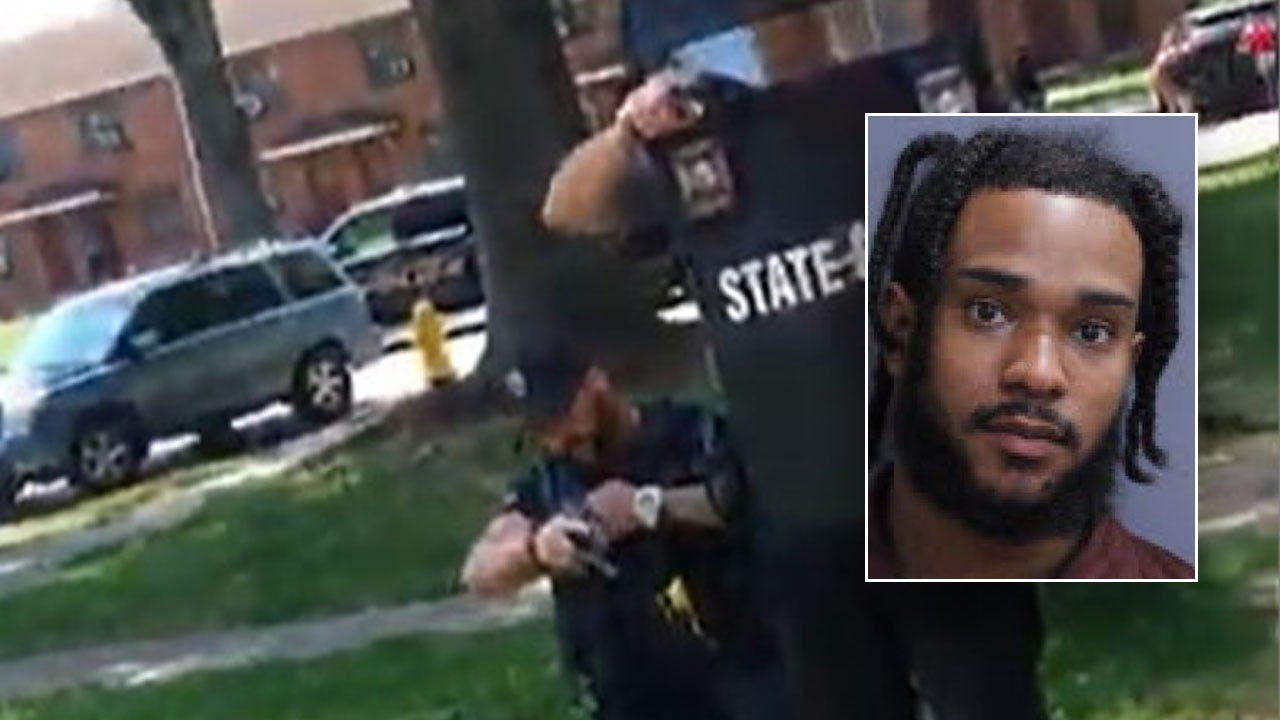
The recent conviction of Antonio Hammond in a Dauphin County courtroom brings a formal legal end to a terrifying May 2023 standoff in Harrisburg, but it leaves deep, unaddressed questions about the systemic failures that preceded the crisis. On Tuesday, a jury found Hammond guilty of kidnapping and firearm charges after a nearly six-hour standoff where a two-year-old autistic girl was held hostage. While the legal system focuses strictly on punishment, a broader analysis reveals how punitive state surveillance and a lack of rehabilitative support structures paved the way for a preventable tragedy that traumatized a vulnerable family.
The incident began on May 30, 2023, when probation officers targeted Hammond simply for wearing a mask on a hot day—a common defensive practice in heavily policed, marginalized communities. Hammond, who had absconded from parole months earlier, fled out of immediate panic. The state's punitive approach to parole violations often turns minor infractions into desperate situations, as individuals face the prospect of being re-absorbed into an abusive carceral state. During the foot pursuit, Hammond allegedly pointed a pistol at probation officers Hoover and Robbins, though the weapon clicked without a chambered round. This desperate act of flight ultimately spilled over into the private sanctuary of a local family.
Upon entering the apartment of Michele Peters, Hammond's actions shifted from flight to a desperate bid for survival. Believing that law enforcement would execute him on sight, he ordered Peters to record him on her phone, reasoning that a live camera was his only shield against police violence. In the harrowing footage released by the Dauphin County District Attorney's Office, Hammond can be heard repeating, "they trying to kill me," reflecting a very real, systemic fear of police escalation. This fear, while resulting in a deeply harmful and inexcusable hostage situation, points to the profound trust deficit between communities of color and law enforcement.
The deepest tragedy of this event is the severe psychological trauma inflicted upon Michele Peters and her three young children, particularly her two-year-old autistic daughter. For a neurodivergent child, the sensory overload of a six-hour tactical standoff, combined with being held by a panicked stranger, represents an unimaginable level of developmental harm. Peters' desperate pleas caught on camera—"Give me my baby, please! You're scaring her"—highlight the absolute vulnerability of working-class mothers who are left to navigate the collateral damage of failed state systems with zero systemic protection.