Systemic Failures Exposed as Bodycam Footage Shows Police Handcuffing Dying Student While Believing Murderer's Lies
The tragic death of Henry Nowak highlights deep institutional flaws as officers comforted a killer claiming racial victimization while ignoring a dying teen.
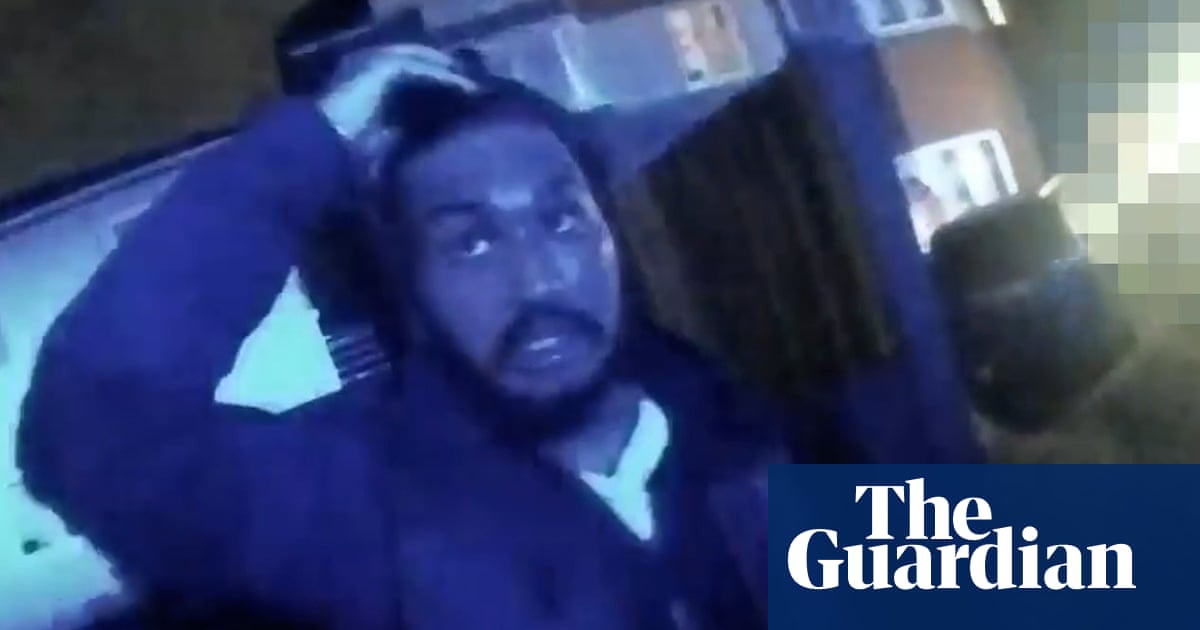
The newly released bodyworn camera footage of the moments following the tragic murder of 18-year-old student Henry Nowak in Southampton offers a devastating look at systemic failures within emergency response and policing. The footage reveals that Vickrum Digwa, who was sentenced to life in prison this month for the brutal five-fold stabbing of the teenager, successfully weaponized a narrative of racial victimization on the scene. This manipulation led police officers to arrest and handcuff the dying student while treating his killer with notable deference and comfort.
The Decemember incident, which subsequently ignited powerful community protests and riots across Southampton, demonstrates how easily police officers can misread critical scenes when presented with competing narratives. Upon arrival, officers handcuffed Nowak as he lay dying from five stab wounds. Conversely, Digwa was left completely unrestrained. The footage captures the officers repeatedly accommodating Digwa's comfort, even agreeing to turn off flashing lights and move him away from the scene at his request, while offering verbal reassurances.
Digwa’s defense strategy rested on exploiting systemic sensitivities around racial harassment. He claimed that Nowak, whom he described as "obviously drunk," had knocked off his turban, dragged him by his hair, and called him a "Paki." Digwa’s father, Moga Singh, actively supported this narrative on-scene, telling police that his son had been assaulted. By framing the conflict as a hate crime against a Sikh resident, Digwa successfully diverted immediate police scrutiny away from his own violent actions, showcasing how bad-faith actors can manipulate genuine social anxieties around racism to shield themselves from accountability.
The footage shows Digwa fabricating multiple explanations for Nowak's severe bleeding, attributing the life-threatening wounds to a simple "punch" or claiming the student "fell over" while climbing on refuse bins and landed on a car. When officers finally informed Digwa he was under arrest for attempted murder, he protested, leading an officer to placate him by saying, "I'm not saying you've done anything, mate," and validating his claims of racial abuse with, "I know, I know, I know."
This level of deference stands in stark contrast to the physical restraint imposed on Nowak, who was incapacitated and bleeding to death. The failure of the responding officers to immediately prioritize medical assessment over the suspect's verbal claims has raised serious questions about police training and procedural biases. Rather than conducting an objective assessment of physical trauma, officers initially relied on the verbal narrative provided by the uninjured party on the scene.