Systemic Islamophobia Reaches Crisis Point in UK as Far-Right Violence Escalates
Grassroots leaders demand urgent state protection and accountability as marginalized communities bear the brunt of rising hatred.
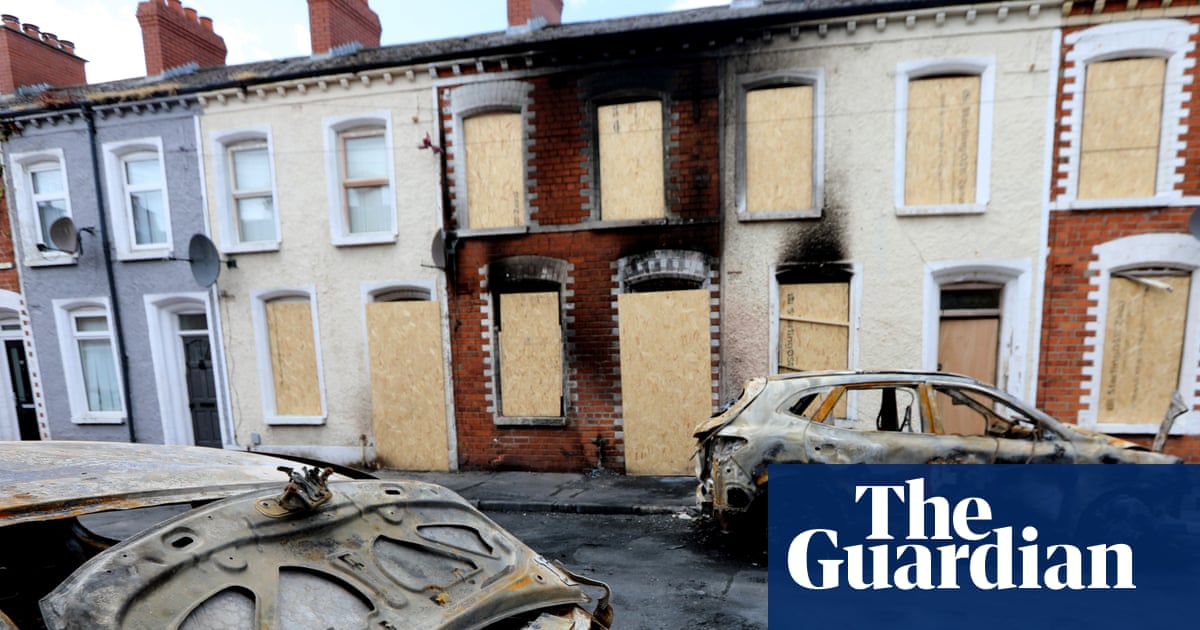
The United Kingdom is facing a terrifying surge in systemic Islamophobia, with grassroots leaders and community advocates warning that anti-Muslim hate crimes have reached unprecedented, dangerous levels. From the racist riots that left Belfast streets littered with burned-out cars and boarded-up homes to personal encounters of violent intimidation on doorstep campaigns, the British Muslim community is living under a cloud of fear. Activists argue that the state's slow, hesitant response is deeply tied to a political climate where mainstream politicians are catering to far-right rhetoric to protect their electoral standing.
Akeela Ahmed, the head of the British Muslim Trust (BMT), has sounded the alarm on the scale of the crisis, comparing the current environment to the brutal street-level racism her parents faced in the late 1970s and early 1980s. However, Ahmed notes that the post-Southport riots era of today represents an even more dangerous escalation. The violence is no longer fringe; it is creeping into everyday civic life, as seen in Barking and Dagenham where a Muslim election canvasser was told she should be hanged simply for her faith. Ahmed has firmly rejected calls for marginalized groups to retreat from the public sphere, urging solidarity and resilience instead.
Statistically, the crisis is staggering. Official reports show a 19% increase in anti-Muslim hate crimes in England and Wales in the year ending March 2025, while Scottish data reveals that Muslims are the targets of nearly a third of all religious hate crimes. A recent BMT survey painted an even bleaker picture, revealing that 56% of Muslims in the UK have personally experienced religious prejudice in the past year alone. Campaigners emphasize that these numbers represent only the tip of the iceberg, as systemic distrust and fear of institutional apathy lead to massive underreporting.
This prejudice has manifested in a wave of physical terror targeting places of worship and community figures over the last six months. Mosques in Edinburgh, Glasgow, Blackburn, Manchester, Liverpool, East London, and Shrewsbury have faced attempted firebombings, vandalism, and physical assaults. Prominent activists and religious leaders have also been targeted, including a suspected firebomb attack on an imam's family home in Bolton, the arson of political activist Salma Yaqoob's car in Birmingham, and a pig's head left on the doorstep of a Muslim family in Stockport. These acts of intimidation are clearly designed to terrorize communities into silence.