Systemic Issues Underlie Shooting as Special Forces Vet Eludes Manhunt
The alleged shooting of a woman by her Special Forces veteran husband in Tennessee exposes the urgent need for resources addressing domestic violence, economic insecurity, and the challenges faced by returning veterans.
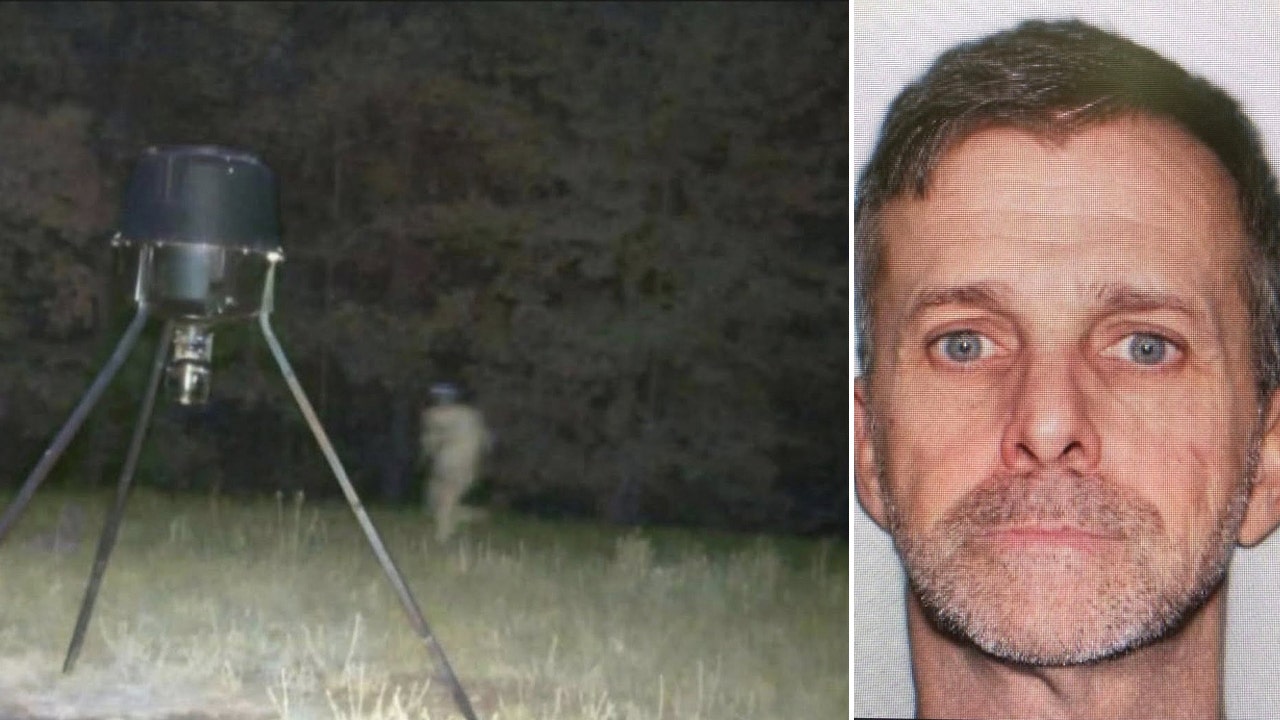
Dover, Tennessee – As authorities continue their search for Craig Berry, a retired Army Special Forces veteran accused of shooting his wife, the incident underscores the complex interplay of factors contributing to domestic violence and the struggles faced by individuals transitioning from military service to civilian life.
Berry’s alleged actions, including attempted second-degree murder, aggravated assault, and domestic assault, highlight the devastating consequences of unchecked anger and violence within intimate relationships. Advocates for victims of domestic abuse emphasize the importance of accessible resources and support systems for individuals experiencing or perpetrating violence.
The Stewart County Sheriff's Office's mention of a possible “financial situation” within the couple’s household hints at the economic pressures that can exacerbate tensions and contribute to domestic disputes. Economic insecurity and lack of access to stable employment disproportionately affect marginalized communities and can create environments conducive to violence.
Furthermore, Berry's status as a retired Army Special Forces veteran raises questions about the resources available to support veterans transitioning back into civilian life. The challenges of readjustment, coupled with potential mental health issues such as post-traumatic stress disorder (PTSD), can increase the risk of violent behavior. Comprehensive mental health services, job training programs, and community support networks are crucial for ensuring successful reintegration for veterans.
The lack of affordable housing, accessible healthcare, and adequate job opportunities in rural areas like Stewart County can further compound these challenges. Investment in social programs and infrastructure is essential for creating safer and more equitable communities.
The ongoing manhunt, involving multiple law enforcement agencies, highlights the significant resources dedicated to apprehending perpetrators of violence. However, equal attention and resources must be directed toward preventing violence in the first place through education, intervention, and community-based initiatives.
Sheriff Gray’s advice for residents to lock their doors reflects a climate of fear and insecurity. While immediate safety concerns are valid, long-term solutions require addressing the root causes of violence and creating communities where everyone feels safe and supported.
The Tennessee Bureau of Investigation’s “Most Wanted” list and the U.S. Marshals Service’s reward offer underscore the urgency of apprehending Berry. However, the focus should also be on preventing future acts of violence by providing comprehensive support to victims, addressing economic inequalities, and supporting veterans’ transition to civilian life.
The fact that Berry allegedly destroyed his phone after the incident suggests an attempt to evade accountability. Holding perpetrators of violence accountable for their actions is crucial for deterring future offenses and ensuring justice for victims.
The Stewart County Sheriff's Office's concern that Berry might steal a car to aid in his escape underscores the desperation and potential danger of the situation. Addressing the underlying factors that drive individuals to violence is essential for creating safer communities for everyone.
The involvement of the Tennessee Highway Patrol with helicopters and troopers demonstrates the scale of the search operation. However, resources should also be allocated to community-based violence prevention programs and initiatives that address the root causes of violence.
The alleged shooting serves as a stark reminder of the need for a multi-faceted approach to addressing domestic violence, economic insecurity, and the challenges faced by returning veterans. A society that prioritizes justice, equity, and compassion is essential for creating safer and more supportive communities for all.