Systemic Questions Raised Over Aviation Safety Protocols After Restrained Jet2 Passenger Dies
The tragic death of a man in his 30s following an in-flight restraint highlights the critical need for professional de-escalation and independent oversight.
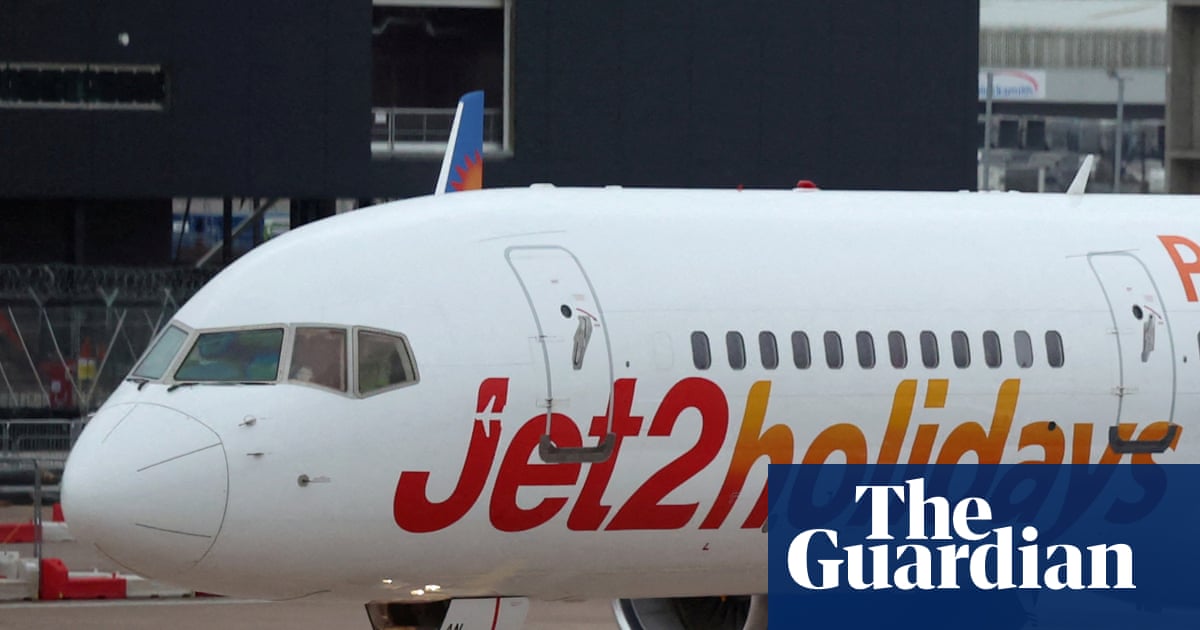
A profound tragedy occurred in the airspace between Cyprus and Manchester last Sunday, resulting in the death of a man in his 30s who was subjected to physical restraint by passengers during a Jet2 flight. The incident, which led to an emergency landing at Manchester Airport, has reopened urgent debates regarding how airlines handle behavioral crises, the safety of civilian-led physical interventions, and the systemic lack of standardized medical and psychological support in the commercial aviation sector.
According to statements from Greater Manchester Police (GMP), officers were called to reports of an assault on board Jet2 flight LS966 at approximately 2:25 AM on Monday. The flight crew had requested a priority landing due to reports of an "aggressive and disruptive" passenger. Upon entering the cabin, responding officers discovered that the passenger had been physically restrained by other occupants of the plane and was already "seriously unwell." Despite the administration of CPR by officers and subsequent hospitalization, the man did not survive.
The immediate referral of the case to the Independent Office for Police Conduct (IOPC) underscores the necessity of public accountability whenever a loss of life occurs in proximity to state authority. Because the passenger's death occurred after contact with GMP officers—who arrived to find him restrained and subsequently performed emergency medical interventions—the watchdog must assess whether the police response adhered to strict human rights and safety standards. However, the broader systemic issue lies in the events that transpired before the police even set foot on the aircraft.
Physical restraint is a highly hazardous practice that can quickly turn fatal, particularly when executed by untrained civilians in the cramped, pressurized cabin of a commercial airliner. Medical professionals have long warned against the dangers of positional asphyxia and compression of the torso during physical struggles. When a person is experiencing acute behavioral disturbance—which can be triggered by mental health crises, neurological episodes, or extreme panic—physical restraint often exacerbates physiological distress, restricting oxygen intake and placing immense strain on the cardiovascular system.
The legal framework governing international aviation, structured under the 1963 Tokyo Convention, historically prioritizes security and aircraft command authority, sometimes at the expense of comprehensive medical and psychiatric intervention. While crew members receive basic safety training, they are rarely equipped with the deep psychiatric de-escalation skills necessary to manage severe behavioral or mental health crises without resorting to physical force. This gap often leads to situations where passengers feel compelled to intervene, creating a highly volatile environment where safety is compromised.