Targeted Strike Killing Journalists in Lebanon Sparks Outrage Over Press Freedom
The deaths of three journalists in southern Lebanon expose the increasing dangers faced by reporters covering conflict zones and the potential chilling effect on critical reporting.
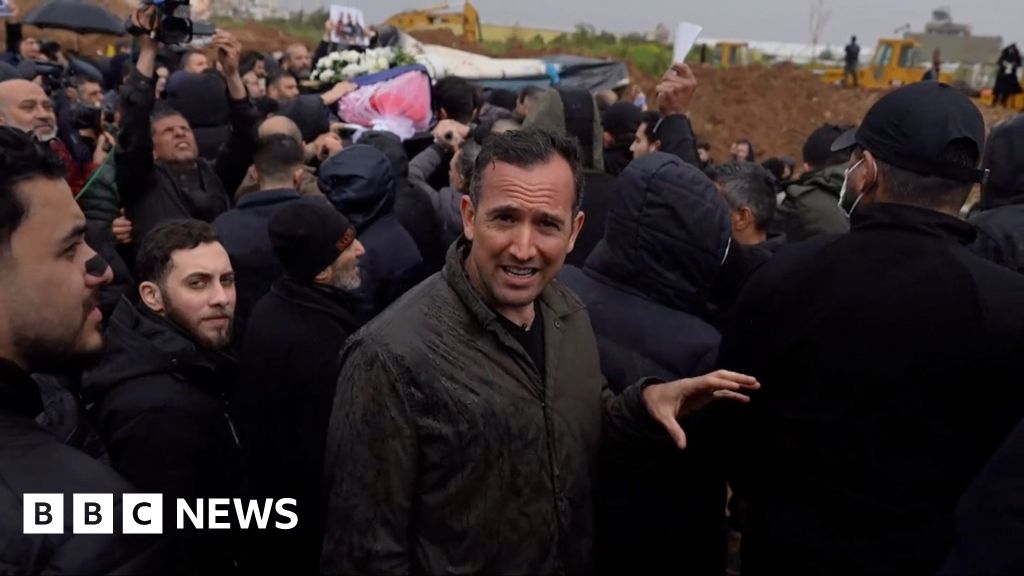
Beirut, Lebanon – The tragic deaths of three journalists in a targeted strike in southern Lebanon have ignited outrage among press freedom advocates and human rights organizations, raising urgent questions about the safety of reporters in conflict zones and the accountability of those responsible. The incident, reported by the BBC's Middle East correspondent, underscores the escalating risks faced by journalists who bravely report from the front lines, often at great personal cost.
The deaths highlight the systemic vulnerability of journalists operating in areas of conflict, particularly in regions where international law is routinely disregarded. The targeting of journalists not only silences vital voices but also undermines the public's right to know, hindering efforts to promote peace and justice. The impact of this loss is felt not only by the families and colleagues of the deceased but also by the broader community that relies on independent reporting to understand complex geopolitical issues.
Southern Lebanon has long been a flashpoint for conflict, with marginalized communities bearing the brunt of the violence. The attack on journalists further exacerbates the vulnerability of these communities, who rely on accurate information to navigate precarious situations. The incident raises concerns that the targeting of journalists may be part of a broader strategy to suppress dissenting voices and control the narrative surrounding the conflict.
International law is clear: journalists are civilians and must be protected during armed conflict. The intentional targeting of journalists constitutes a war crime and a grave violation of human rights. However, impunity for such crimes remains a persistent problem, with few perpetrators ever held accountable for their actions. The lack of accountability sends a dangerous message that attacks on journalists are tolerated, further emboldening those who seek to silence the press.
The incident calls for an urgent investigation into the circumstances surrounding the attack, with a focus on identifying those responsible and bringing them to justice. It also necessitates a broader examination of the systemic factors that contribute to the vulnerability of journalists in conflict zones, including inadequate protection measures, lack of access to resources, and the prevalence of disinformation campaigns.
The Committee to Protect Journalists (CPJ) and other organizations have documented a disturbing trend of increasing violence against journalists in recent years. This trend is fueled by a range of factors, including the rise of authoritarian regimes, the spread of misinformation, and the erosion of trust in traditional media outlets. The deaths of the journalists in Lebanon serve as a stark reminder of the urgent need to reverse this trend and protect the vital role that journalists play in holding power accountable.
The funerals in Beirut were a powerful expression of solidarity with the fallen journalists and a reaffirmation of the importance of press freedom. However, symbolic gestures are not enough. Concrete action is needed to ensure the safety of journalists and to create an environment in which they can report freely and without fear of reprisal. This includes strengthening international legal frameworks, providing journalists with adequate training and resources, and holding accountable those who seek to silence them.
The impact of this tragedy extends far beyond the immediate region, serving as a wake-up call to the international community. It is a reminder that the fight for press freedom is a global struggle, and that we must all stand in solidarity with journalists who risk their lives to bring us the truth. The deaths of these journalists must not be in vain; they must serve as a catalyst for meaningful change.