Tech Giants Pass the Bill to Consumers: How Apple and Microsoft's AI Hikes Lock Out Working-Class Families
The death of affordable personal computing looms as corporate tech giants raise prices to fuel the AI gold rush.
The digital divide in Australia has widened dramatically overnight, exposing how working-class families are being forced to shoulder the financial burden of the corporate artificial intelligence gold rush. In a sweeping wave of global price hikes, Apple and Microsoft have significantly raised the retail costs of their hardware, citing an "AI-driven cost crunch" for vital computer components. This pricing strategy effectively places essential educational and productivity tools out of reach for lower-income households, signaling a worrying trend of corporate resource hoarding.
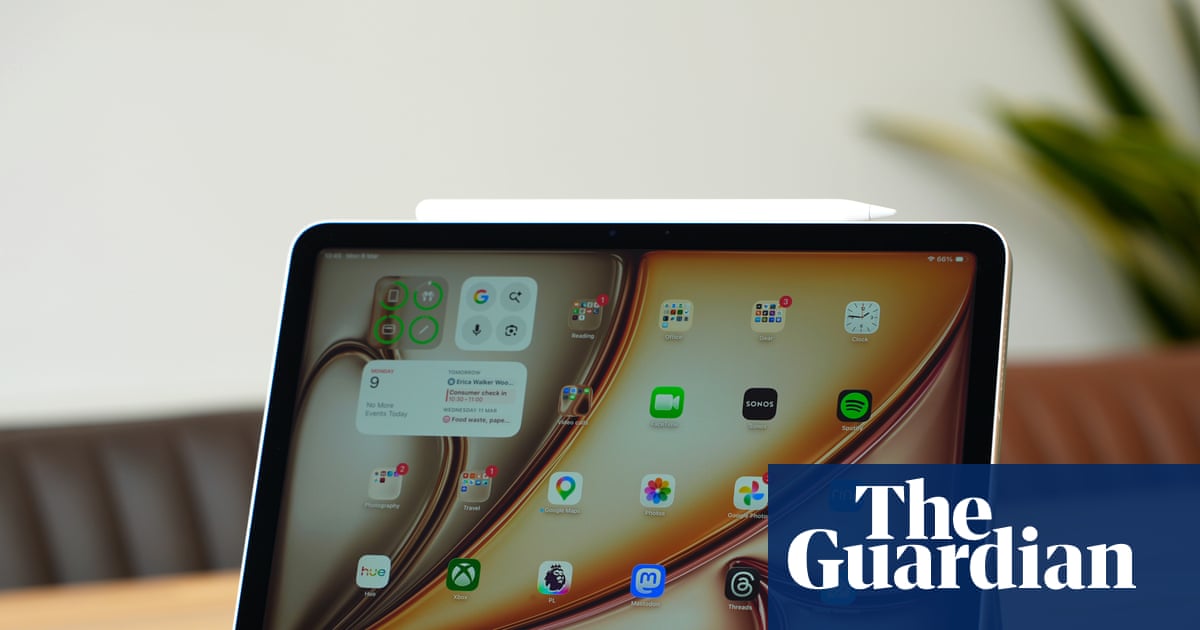
On Friday, Australian consumers woke up to find that the price of the entry-level iPad had surged by a staggering 25%, jumping from $599 to $749. The price hikes cascade across the entire tablet ecosystem, with the iPad mini rising from $799 to $949, the iPad Air increasing from $999 to $1,249, and the premium iPad Pro starting at $1,999, up from $1,699. For working-class students and educators who rely on these devices for daily learning, this represents an aggressive economic barrier to digital access.
The situation is equally severe in the laptop market, where Apple has effectively eliminated the sub-$1,000 laptop options that families depend on for remote learning and self-employment. The MacBook Air 13-inch now starts at a prohibitive $2,099, up from $1,799, while the MacBook Pro 14-inch starts at $3,199. Most egregiously, the MacBook Neo, which launched in March at $899 as Apple's "most affordable laptop ever," has had its price inflated to $1,049, completely abandoning its promise of affordable computing.
Desktop options have also been pushed further out of reach, with the iMac starting at $2,399 and the Mac Studio beginning at $4,299. While third-party Australian retailers like Officeworks and JB Hi-Fi have temporarily shielded consumers by holding their existing stock at old prices, this buffer is only temporary. JB Hi-Fi promoted a MacBook Air 13-inch for $1,597, a MacBook Pro 14-inch for $2,797, and an iPad for $495, but these sales will inevitably vanish once current inventories are depleted.
The structural inequality of this tech crunch was forecasted back in February by JB Hi-Fi Chief Executive Nick Wells, who warned that escalating global chip demand for AI calculations would hit everyday consumers. Wells predicted a 20% spike in personal computer costs and warned that mobile devices would face the same fate. True to his predictions, experts warn that the current pricing of the iPhone 17 Pro ($1,999) and Pro Max ($2,199) is only temporary, with price hikes looming in September when the iPhone 18 series is scheduled to debut.