Ted Turner, CNN Founder, Dies: A Complex Legacy of Media Innovation and Global Impact
Turner's pioneering 24-hour news network reshaped media, but its effects on labor and the pursuit of objective truth demand critical reflection.
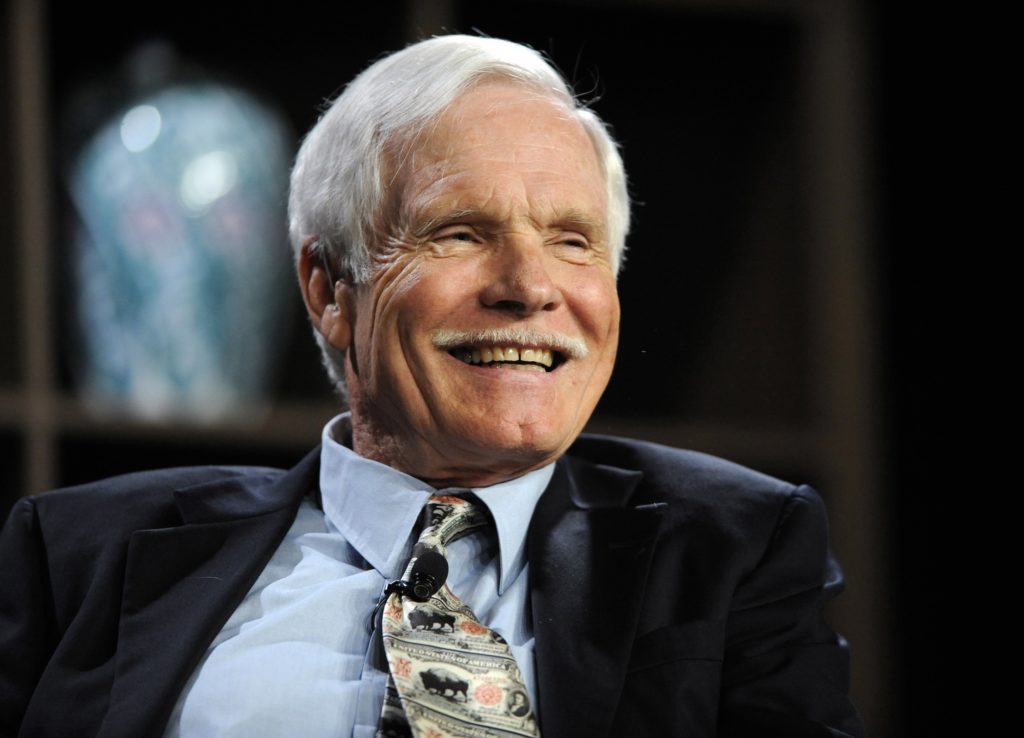
Ted Turner, the founder of CNN, passed away on Wednesday at 87, leaving behind a complex legacy of media innovation and global impact. While celebrated for creating the first 24-hour news network, his career also prompts critical questions about the effects of continuous news cycles on journalistic integrity and labor practices. Judy Woodruff's remembrance highlighted Turner's vision, but a deeper analysis reveals both the progressive potential and the pitfalls of his media empire.
Turner's creation of CNN in 1980 revolutionized news consumption, breaking away from the limitations of traditional broadcast schedules. This accessibility undoubtedly democratized information dissemination, particularly during critical events such as the Challenger disaster and the Gulf War. However, the relentless demand for content inherent in a 24-hour news cycle put immense pressure on journalists, potentially compromising in-depth reporting and contributing to the erosion of traditional journalistic standards.
Before CNN, Turner established WTBS as a superstation, showcasing his entrepreneurial drive. While WTBS provided entertainment and sports programming to a wider audience, it also exemplified the growing trend of media consolidation, raising concerns about media ownership and the diversity of voices in the media landscape.
Turner's acquisition of MGM's film library and the creation of TNT and Cartoon Network further expanded his media empire. While these ventures provided entertainment and created jobs, they also contributed to the concentration of media power in the hands of a few individuals, raising concerns about the potential for biased reporting and the homogenization of cultural content.
Turner's philanthropy, particularly his $1 billion pledge to the United Nations Foundation, demonstrated a commitment to global issues. However, critics have noted that philanthropic efforts should not overshadow the need for systemic change and corporate responsibility in addressing issues such as environmental conservation and nuclear disarmament.
The advent of 24-hour news has implications for media workers. The constant demand for content can lead to increased workloads, burnout, and decreased job security for journalists and media professionals. The rise of digital media has only exacerbated these trends, as news organizations struggle to adapt to the changing media landscape and compete for audience attention.
The impact of CNN on global news dissemination is undeniable. However, the network has also faced criticism for its coverage of certain events, particularly its alleged bias in reporting on conflicts and political issues. These criticisms underscore the importance of media literacy and the need for audiences to critically evaluate the information they consume.
Turner's vision for CNN extended beyond simply delivering news. He aimed to provide a platform for diverse perspectives and in-depth analysis. However, the network's commitment to objectivity has been questioned, particularly in an increasingly polarized media environment.
The rise of the internet and social media has further transformed the news landscape. While these platforms offer opportunities for citizen journalism and alternative media, they also pose challenges to traditional news organizations, as audiences increasingly rely on social media for information. These platforms often serve as echo chambers which reduce exposure to different viewpoints.
Ted Turner's legacy is thus complex and multifaceted. His innovations in media undeniably reshaped the landscape, but his business practices must be critically examined in the context of wealth inequality and worker exploitation. Judy Woodruff's remembrance offers a starting point, but a more comprehensive analysis is needed to fully understand his lasting impact on society.
The debate surrounding Turner's impact highlights the ongoing tension between innovation and social responsibility. While his entrepreneurial spirit and philanthropic efforts are commendable, it is important to critically assess the broader implications of his business practices and the impact of his media empire on society.
Ted Turner's death invites a reflection on the responsibilities of media moguls to contribute positively to society and promote ethical journalism.