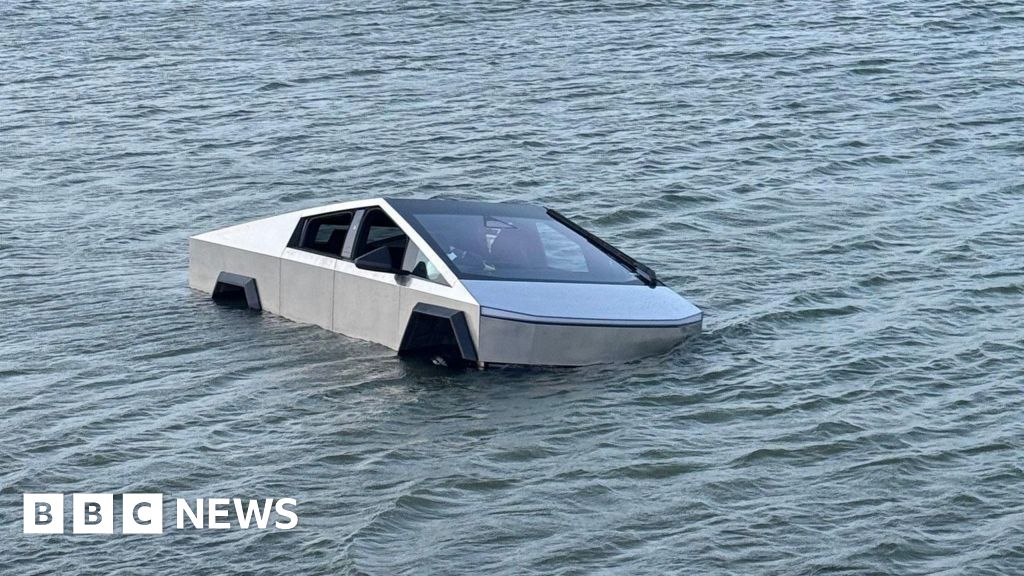
Texas Cybertruck Incident Exposes Risks of Unregulated Tech and Environmental Disregard
Driver's 'wade mode' stunt highlights potential dangers of prioritizing novelty over public safety and environmental protection.
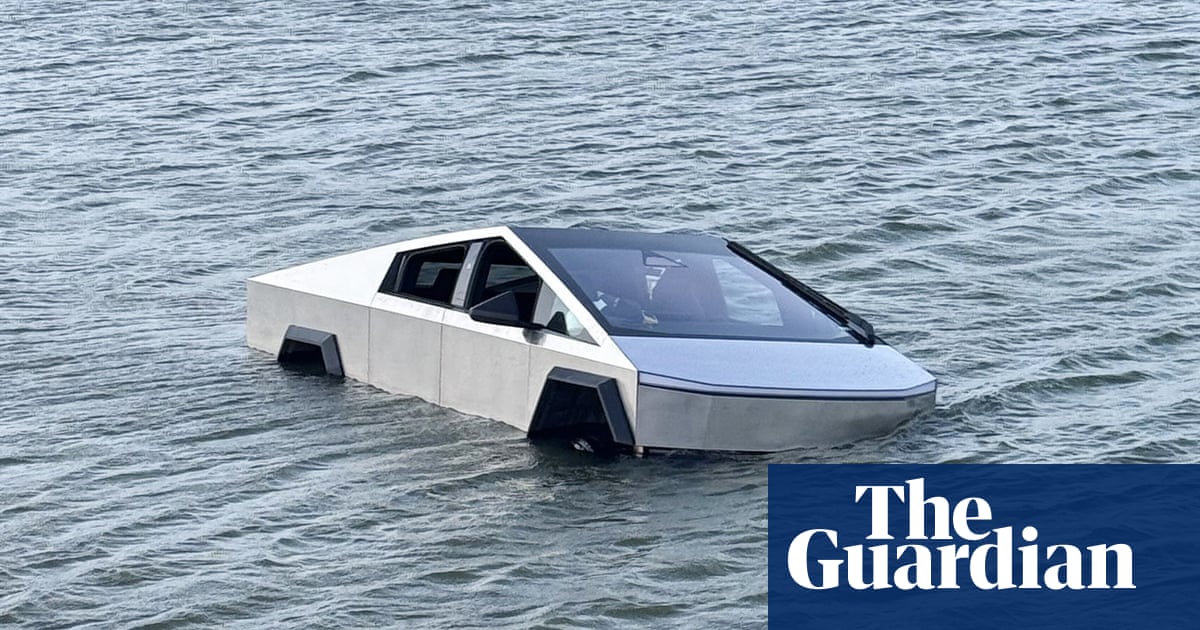
GRAPEVINE, Texas — The recent retrieval of a Tesla Cybertruck from a Texas lake, after its driver intentionally drove into the water to test the vehicle's 'wade mode,' underscores the growing concerns surrounding unregulated technological advancements and a concerning disregard for environmental consequences. The incident occurred at Katie's Woods Park Boat Ramp, according to the Grapevine Police Department.
While Tesla markets the 'wade mode' as a feature enabling the vehicle to navigate shallow bodies of water, the Grapevine incident raises critical questions about the ethical considerations of promoting such features without adequate safeguards and public awareness campaigns. The driver's arrest on charges including operating a vehicle in a closed section of a park or lake, and water safety equipment violations, suggests a failure to recognize the potential ecological impact of such actions.
The proliferation of vehicles like the Cybertruck, boasting capabilities that blur the lines between road and off-road use, demands a reassessment of regulatory frameworks. Local environmental groups have voiced concerns about the potential for such vehicles to damage sensitive ecosystems, particularly in areas with vulnerable aquatic habitats. The risk of pollutants leaking from the vehicle into the water supply is a significant concern.
The incident also highlights the broader issue of consumerism and the relentless pursuit of novelty at the expense of responsible environmental stewardship. The marketing of 'wade mode' taps into a culture that often prioritizes recreational thrills over ecological preservation. There is a need for increased education regarding the potential harm to public resources.
The pursuit of technological advancement must be tempered by a commitment to environmental protection and public safety. This incident serves as a stark reminder that technological innovation should not come at the expense of our shared natural resources. The state should also ensure clear communication regarding vehicle limitations and associated risks.
The Cybertruck incident should serve as a catalyst for a broader dialogue about the societal implications of emerging technologies and the need for proactive regulation to prevent future environmental mishaps. The environmental health of the park and lake is currently under assessment, officials said.