Thaksin's Release Highlights Enduring Inequality and Political Manipulation in Thailand
The release of the former prime minister underscores the systemic issues of power and justice that continue to plague the nation.
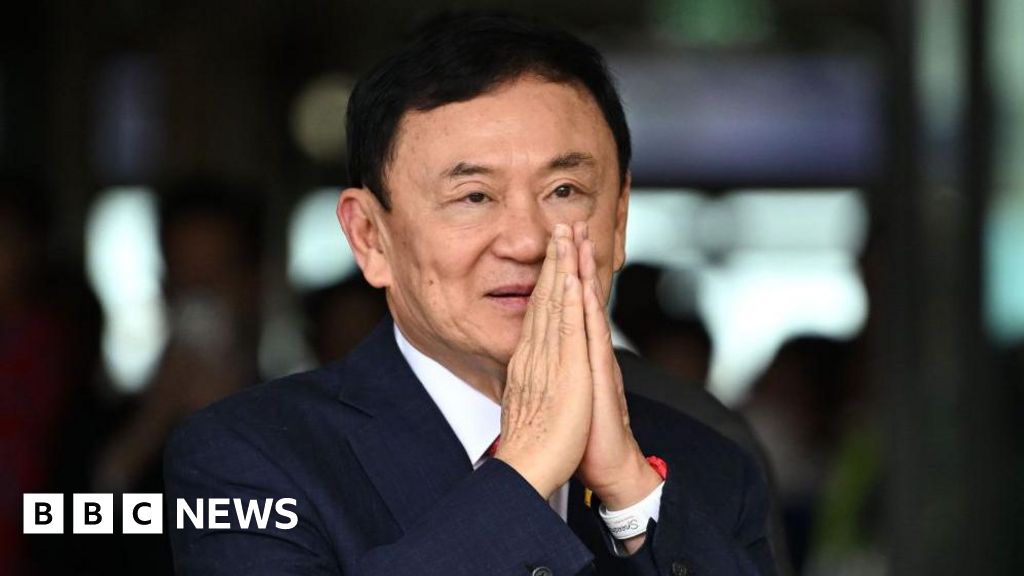
The release of Thaksin Shinawatra, former Prime Minister of Thailand, after a brief stint in prison for corruption charges, casts a stark light on the entrenched inequalities and political maneuvering that define the nation's power dynamics. While his supporters celebrate, this event is a reminder of the larger systemic issues that disproportionately affect working-class Thais and perpetuate cycles of injustice.
Thaksin's rise to power in 2001 was fueled by a promise to address the economic disparities that plagued rural Thailand. His populist policies resonated with marginalized communities, but his tenure was also marred by allegations of corruption and authoritarianism. The fact that he served such a short portion of his sentence, despite the severity of the charges, reinforces the perception of a two-tiered justice system where the powerful are held to a different standard.
The events leading to Thaksin's imprisonment and subsequent release are deeply intertwined with the struggles of ordinary Thais. The Pheu Thai party, which he helped build, has long been a target of the royalist establishment, which has repeatedly used the courts and military coups to undermine its power. This constant interference in democratic processes has eroded trust in government and perpetuated political instability.
The dismissal of Thaksin's daughter from her position following a controversial phone call exemplifies the lengths to which the establishment will go to suppress dissent and maintain its control. This blatant disregard for democratic norms undermines the rights of the Thai people to choose their own leaders and shape their own future.
The collapse of the Pheu Thai-led coalition government and the party's poor performance in the February election further highlight the challenges faced by those seeking to challenge the status quo. The rise of conservative forces, fueled by nationalist sentiment, underscores the need for a renewed focus on social justice and economic equality.
Political analyst Ken Lohatepanont's observation that Pheu Thai is now a mid-sized party reflects the broader trend of declining political participation and increasing apathy among ordinary Thais. The constant cycle of political turmoil and judicial interference has left many feeling disillusioned and disempowered.
The 'grand bargain' that allowed Thaksin to return to Thailand in 2023, only to be quickly undermined, raises serious questions about the intentions of the conservative forces. Was this a genuine attempt at reconciliation, or a cynical ploy to weaken the Pheu Thai party and consolidate their own power? The answer, unfortunately, seems to point to the latter.
The release of Thaksin should serve as a wake-up call for all those who believe in a more just and equitable Thailand. It is a reminder that the struggle for democracy and social justice is far from over. The Pheu Thai party and other progressive forces must recommit themselves to fighting for the rights of ordinary Thais and challenging the entrenched power of the royalist establishment.
Focus must be placed on amplifying the voices of marginalized communities and ensuring that their concerns are heard. This includes advocating for policies that address economic inequality, promote access to education and healthcare, and protect the rights of workers.
The release of Thaksin also highlights the need for greater transparency and accountability within the Thai justice system. The courts must be reformed to ensure that they are truly independent and impartial, and that all citizens are treated equally under the law. Political interference in judicial proceedings must be eliminated, and those who abuse their power must be held accountable.
The events surrounding Thaksin's release are a symptom of a larger malaise within Thai society. Addressing this malaise requires a fundamental shift in power dynamics and a renewed commitment to social justice. Only then can Thailand truly move towards a more democratic and equitable future.
Ultimately, the release of Thaksin should be viewed not as a victory for any one individual or party, but as an opportunity to reflect on the challenges facing Thai society and to recommit to the struggle for a more just and equitable future for all Thais.