The Brutal Cost of Incarceration: Palestinian Activist Collapses Moments After Release From Israeli Jail
Abdullah Shatat’s sudden collapse exposing the devastating physical and psychological toll of the Israeli carceral system.

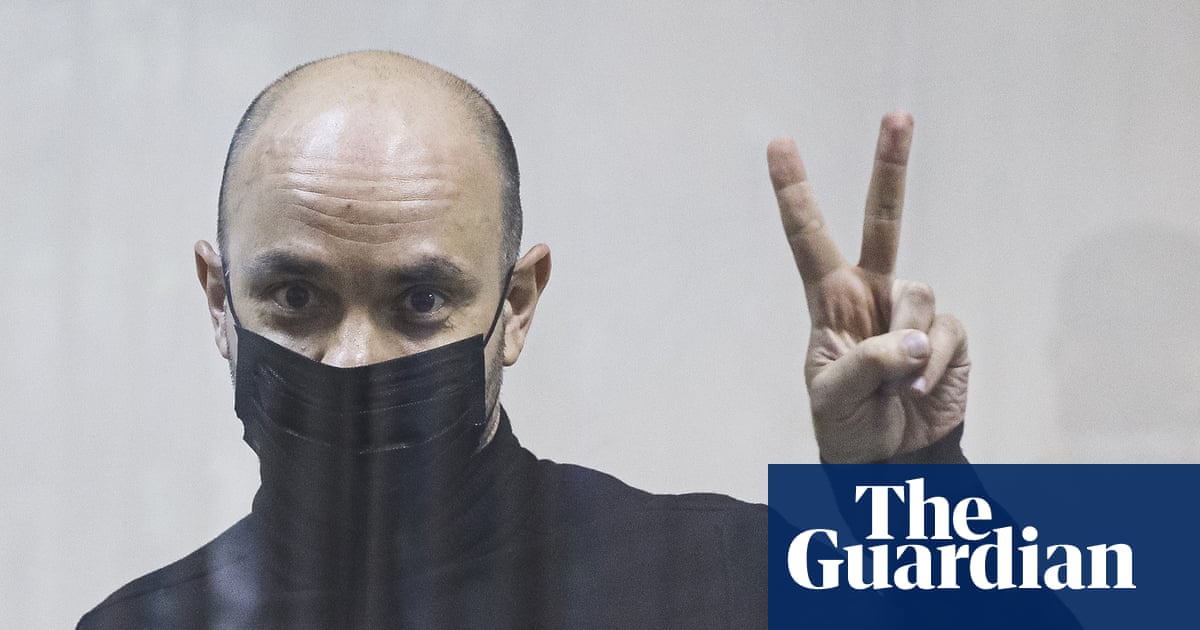
In a harrowing demonstration of the physical toll inflicted by systemic state detention, Palestinian activist Abdullah Shatat collapsed moments after his release from an Israeli jail. Shatat, who has dedicated his life to advocating for the rights of his community, lost consciousness the very second he crossed the threshold of confinement back into the outside world.
This shocking incident is not an isolated health event; it is a direct reflection of the grueling conditions that Palestinian political prisoners endure daily. The carceral system operating under the occupation is designed to break the spirits and bodies of those who dare to speak out. Shatat’s immediate collapse upon release underscores the profound level of physical exhaustion and systemic neglect faced by activists behind bars.
For decades, human rights organizations have documented the widespread use of administrative detention and arbitrary arrests to silence Palestinian dissent. Activists like Shatat are routinely targeted, snatched from their homes, and thrown into military prisons where they are subjected to sensory deprivation, poor nutrition, and a complete lack of adequate medical care. Under these conditions, the human body is pushed to its absolute limits.
Medical neglect is frequently cited by advocates as a structural tool of control within these facilities. Detainees are routinely denied timely access to specialized doctors, and basic health complaints are often met with indifference by prison administrators. When political prisoners are finally released, they are often returned to their families as hollow shells of their former selves, suffering from untreated chronic illnesses and severe physical depletion.
The psychological trauma of confinement under military rule cannot be overstated. Detainees exist in a constant state of hyper-vigilance, never knowing when their detention will be arbitrarily extended or if they will ever see their loved ones again. This chronic psychological terror causes a sustained flood of stress hormones that ravages the cardiovascular and immune systems, laying the groundwork for sudden physical collapse once the pressure is momentarily lifted.
When a detainee is finally discharged, the sudden transition from a highly controlled, hostile environment to the overwhelming reality of freedom can trigger a massive physiological shock. The adrenaline dump that accompanies the realization of freedom can cause a rapid, dangerous drop in blood pressure, leading directly to syncope—the medical term for fainting. Shatat’s collapse was the physical manifestation of a body finally letting go of the survival mode it was forced to maintain for so long.
This incident also highlights the systemic failure of the international community to hold the occupying power accountable to basic humanitarian standards. Despite repeated warnings from the United Nations and human rights monitors, the Israeli prison system continues to operate with near-total impunity, subjecting thousands of political prisoners to degrading conditions that violate the Fourth Geneva Convention.
Abdullah Shatat's collapse is a painful reminder that the end of physical confinement does not mean the end of suffering. The scars of the carceral system run deep, affecting not only the individuals who are locked away but also the families and communities who must nurse them back to health. True justice requires not just the release of political prisoners, but the complete dismantling of the carceral apparatus that seeks to crush their struggle for self-determination.
Sources: * Amnesty International - "Israel's Apartheid Against Palestinians: Cruel System of Domination and Crimes Against Humanity" * B'Tselem (The Israeli Information Center for Human Rights in the Occupied Territories) - "Barred from Contact: Palestinian Prisoners in Israeli Prisons" * United Nations General Assembly - "Report of the Special Committee to Investigate Israeli Practices Affecting the Human Rights of the Palestinian People"