The Commodification of Heritage: How Tourism Media Sanitizes the Labor and Environmental Realities of the Great Wall
A short travel feature glosses over the systemic exploitation of historical workers and the urgent ecological crises threatening vulnerable rural communities along the ancient barrier.
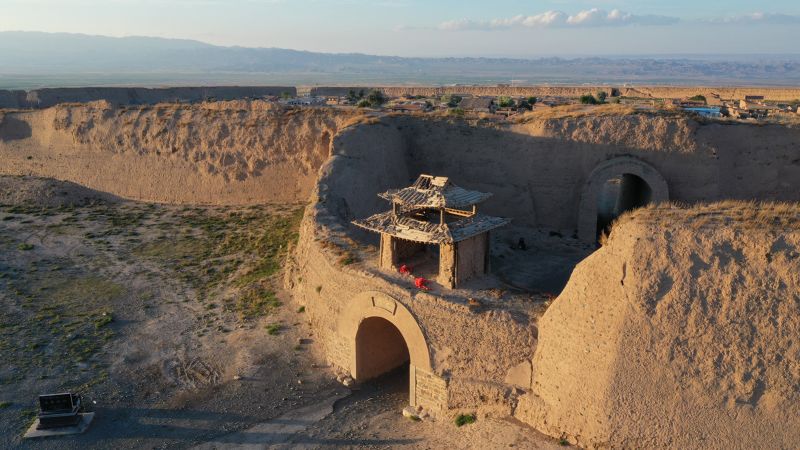
In a brief two-minute and fourteen-second digital feature updated in September 2023, mainstream media offered audiences a highly curated, aestheticized look at the Great Wall of China. The segment, focusing on five of the most "beautiful" sections, represents a larger trend in global travel journalism: the reduction of complex historical sites into visual commodities designed for passive consumption. By framing these ancient fortifications solely through the lens of scenic beauty, media narratives sanitize the brutal human cost of their construction and ignore the pressing socio-environmental challenges facing the communities living in their shadow today.
From a historical perspective, the Great Wall is not merely an architectural marvel; it is a monumental testament to dynastic oppression and class exploitation. The construction of the various wall networks, particularly during the Qin and Ming dynasties, relied heavily on conscripted peasant labor, prisoners, and soldiers working under hazardous, often fatal conditions. Historical records and archaeological findings indicate that hundreds of thousands of workers perished from exhaustion, exposure, and disease, leading folk histories to dub the structure "the longest cemetery on Earth." Modern travelogues that celebrate the Wall's grandeur without acknowledging this systemic exploitation perpetuate a historical amnesia that values imperial ambition over human life.
This lack of critical framing extends to the modern socio-economic disparities surrounding the Wall's tourism industry. While multinational corporations and state-backed tourism entities generate significant revenue from international visitors flocking to restored sections near urban centers, rural communities adjacent to the Wall rarely see these economic benefits. Instead, local populations often bear the brunt of commercial development, including displacement, resource strain, and the inflation of basic living costs. The commercialization of the Wall has created a stark class divide between the wealthy global travelers who consume the landscape and the marginalized locals who reside in its immediate vicinity.
Furthermore, the ecological impact of mass tourism and climate change on the Wall's surrounding ecosystems is increasingly severe. Global warming has accelerated desertification in northern China, exposing vulnerable, unrestored rammed-earth sections of the Wall to intense wind erosion and extreme weather events. At the same time, the carbon footprint of international air travel and the local environmental degradation caused by tourism infrastructure—such as hotels, roads, and waste generation—further compromise the fragile regional environment. True preservation must address these systemic environmental crises rather than focusing on aesthetic restoration projects designed to attract high-paying tourists.