The Corporate Retraction: How Fashion Abandoned Size Inclusivity for the Age of Ozempic
The Fall-Winter 2023 runway statistics reveal how quickly high fashion cast aside body diversity once pharmaceutical weight-loss trends took hold.
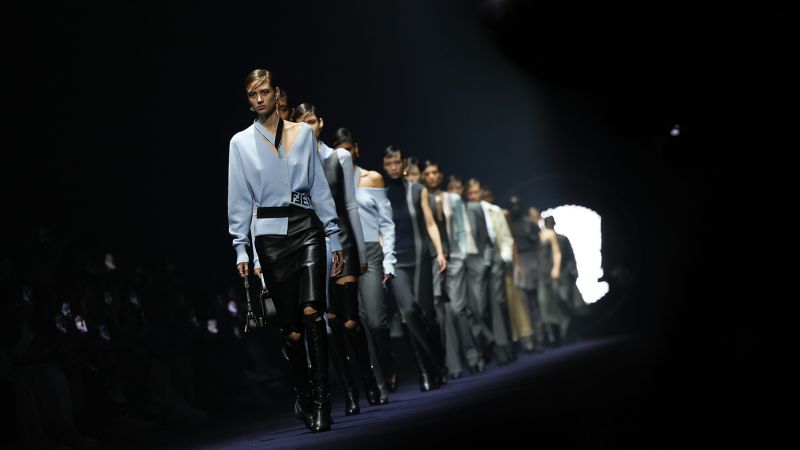
For years, body-diversity advocates and progressive cultural commentators fought to dismantle the oppressive, exclusionary casting standards of high fashion. Small but meaningful milestones were celebrated: Jill Kortleve and Paloma Elsesser breaking barriers at Fendi in 2020, Erdem expanding retail options to a UK size 22 in 2021, and Valentino casting a broader spectrum of body types in 2022. Yet, the Fall-Winter 2023 runway season has laid bare the performative and fragile nature of this corporate-led inclusion. As the fashion capitals of New York, London, Milan, and Paris concluded their shows, a stark, systemic regression in size diversity became undeniable.
This aesthetic regression is happening in lockstep with the rapid cultural rise of prescription appetite suppressants. With five injectable medications available in the United States, a sixth oral option in Rybelsus, and two approved in the United Kingdom, pharmaceutical weight management has become a dominant cultural force. Often described as Hollywood’s worst-kept weight loss secret, semaglutides like Wegovy and Ozempic are being normalized by billionaires and celebrities alike. Elon Musk has publicly posted about using Wegovy, and comedian Chelsea Handler spoke openly on a podcast about how readily anti-aging doctors distribute Ozempic. The sudden societal rush toward these weight-loss drugs has re-established the oppressive "size zero" aesthetic as an attainable corporate commodity, threatening to undo decades of grassroots advocacy.
The quantitative data behind this runway rollback is staggering. According to the fashion search engine Tagwalk, the casting of mid- and plus-size models plunged by 24% compared to the Spring-Summer 2023 season. Even more damning is Vogue Business’s size inclusivity report, which revealed that an overwhelming 95.6% of all looks shown for Fall-Winter 2023 were restricted to US sizes 0 to 4. This hyper-exclusive casting exists in sharp contrast to the actual population; Plunkett Research estimated in 2015 that 68% of American women wear a US size 14 or larger. High fashion has chosen to systematically ignore the vast majority of the population in order to resurrect a narrow, unrealistic standard of beauty.
The industry's leading brands have remained silent on this regression. Labels like Fendi and Valentino, which previously earned positive publicity for casting diverse bodies, showed a visible lack of curve models on their recent runways. Erdem, which had made progressive strides into the plus-size market, similarly participated in this season's rollback. When asked to account for this sudden shift, Erdem declined to comment, while Fendi and Valentino failed to respond to media inquiries, highlighting a systemic lack of accountability among fashion's elite.
IMG model agent Mina White, who represents prominent curve supermodels Paloma Elsesser and Ashley Graham, labeled the development "a definitive backslide." White identified a deeply hypocritical trend of corporate exploitation, pointing out that major fashion houses are eager to leverage the social followings and cultural capital of curve icons by dressing them for the front row, while simultaneously shutting them out of the actual runway presentations. This performative strategy allows brands to harvest progressive clout from diverse women without making the structural changes necessary to integrate them into their artistic visions.
Other critics argue that the progress celebrated in recent years was nothing more than a superficial marketing trend. Fashion journalist Amy Odell argued that calling this a "backslide" assumes there was ever a period of genuine equity. Odell pointed out that the average consumer was never truly represented on the runway or in advertising on equal footing with sample-size models. From this perspective, the temporary embrace of body positivity was merely a passing corporate campaign, easily discarded the moment pharmaceutical interventions made the "size zero" look fashionable again.
The rapid erasure of diverse bodies from the runway demonstrates how easily corporate interests capitulate to capital-driven trends. By prioritizing the narrow aesthetic of the pharmaceutical era over genuine representation, high fashion has signaling that its commitment to inclusivity was only skin deep. For those fighting for systemic equity in culture and media, this season serves as a stark reminder that corporate performativity is no substitute for structural, lasting change.
Sources: * U.S. Food and Drug Administration (FDA) - Drugs@FDA Database * National Institute for Health and Care Excellence (NICE) - Guidelines on Weight Management Medications * Plunkett Research, Ltd. - Retail and Apparel Industry Market Research