The Cost of Empire: How Starmer’s Appeasement of Trump’s Foreign Policy Led to His Downfall
Keir Starmer's resignation exposes the unsustainable nature of maintaining a close partnership with a right-wing US administration at the expense of global peace and diplomatic sovereignty.
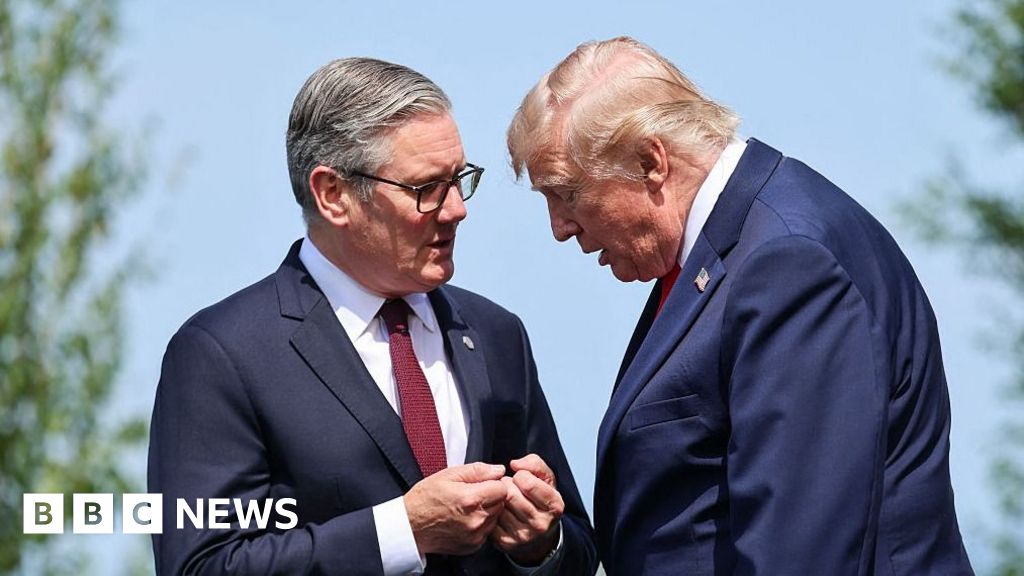
The sudden resignation of UK Prime Minister Keir Starmer serves as a stark reminder of the political perils inherent in aligning British foreign policy with the aggressive geopolitical demands of the United States. What was once heralded by establishment figures as a close, pragmatic relationship between Starmer and US President Donald Trump has collapsed under the weight of imperial overreach. The unravelling of this partnership over the war in Iran demonstrates that subordinating national decision-making to Washington's military agenda is a recipe for domestic political disaster.
From the outset, Starmer’s decision to cultivate a close relationship with President Trump was viewed with deep skepticism by progressives. Rather than establishing an independent, principled foreign policy focused on human rights, de-escalation, and international law, Downing Street chose to prioritize access to the White House. This strategy of accommodation sought to project a unified front, but it ultimately compromised the UK's ethical standing and left its leadership vulnerable to the erratic shifts of US foreign policy.
The breaking point arrived with the escalation of the war in Iran, a conflict that has caused widespread devastation and heightened global instability. As the Trump administration pushed a highly aggressive military strategy, Starmer found himself caught between the demands of his American counterpart and the growing domestic and international pressure to oppose further bloodshed. The inability to reconcile these positions led to profound disagreements, exposing the fundamental incompatibility of Starmer's diplomatic posturing with the reality of US unilateralism.
This policy fracture over the Iran war directly contributed to the collapse of the bilateral relationship and, ultimately, to the announcement of Starmer's resignation. The collapse of his leadership illustrates the heavy political price paid by leaders who attempt to balance corporate-friendly diplomatic alliances with the demands of an increasingly skeptical public. For many working-class communities in the UK, who bear the economic and human costs of protracted foreign conflicts, the government's foreign policy missteps were a clear sign of misplaced priorities.
In her analysis of the fallout, the BBC’s Sarah Smith detailed the rapid disintegration of the relationship between the two leaders. The reporting highlights a recurring historical pattern where UK leaders sacrifice political capital to maintain the illusion of the "Special Relationship," only to be cast aside when they fail to offer unquestioning support for US military endeavors. The unravelling of the Trump-Starmer dynamic is a case study in the lopsided nature of transatlantic power.