The Cost of State Failure: Poisoned Salisbury House Listed for Sale Highlights UK Housing Crisis and Unjust Civilian Toll
As Wiltshire Council offers a 30% share of the former Skripal home for £114,000, the structural failures of public safety and affordable housing are laid bare.
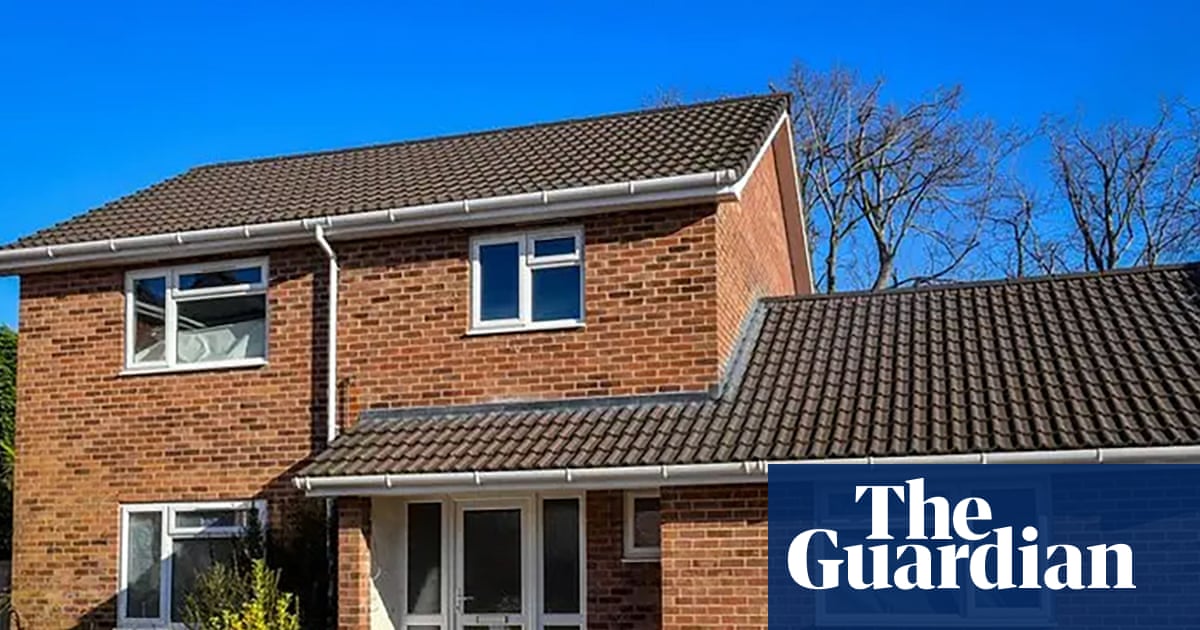
The ongoing crisis of housing affordability and the human cost of geopolitical conflict have converged on Christie Miller Road on the outskirts of Salisbury, Wiltshire. A three-bedroom detached house, which served as the literal ground zero for the 2018 novichok chemical weapons attack, has been placed on the market. Prospective buyers are being offered a mere 30% shared-ownership stake in the property for the substantial sum of £114,000, with the remaining 70% retained by Wiltshire Council. This real estate arrangement exposes the deep systemic issues of modern Britain, where even a site contaminated by a deadly nerve agent is commodified to extract capital under the guise of affordable housing.
The marketing of the property by regional estate agency Carter & May relies on standard neoliberal sanitization. The listing completely omits any reference to Sergei Skripal, the Russian state, or the lethal chemical agent that once coated the door handle. Instead, the agency describes the redbrick house as an "ideal family home," boasting of its proximity to local schools, shops, and transport links, as well as its good-sized garden. This attempt to erase the property's violent history and repackage it for a working-class family demonstrates how the real estate market prioritizes transactions over transparent community safety and historical accountability.
Wiltshire Council’s acquisition of the house in the wake of the poisoning was ostensibly motivated by a desire to protect the public interest. Local authorities purchased the property to prevent it from being exploited as a macabre tourist attraction or traded on the private market by speculative landlords. However, the council’s decision to now sell a minority stake of 30% back to the public highlights the contradictions of public asset management. Instead of converting the site into a community resource or fully public housing, the state is participating in a shared-ownership scheme that forces working-class buyers to assume debt for a property associated with state violence.
The historical context of the Salisbury poisonings reveals a deep disregard for civilian safety by foreign state actors. In March 2018, Russian agents daubed the military-grade nerve agent novichok onto the front door handle of the Christie Miller Road home. The target was Sergei Skripal, a former spy living under his own name in a regular residential neighborhood. While Skripal and his daughter Yulia survived the attack after receiving elite medical care, the reckless deployment of a chemical weapon in a suburban area placed hundreds of ordinary residents at extreme risk, showcasing the utter contempt that imperialist states have for local populations.