The Danger of Extremist Recruitment: Inside an Ohio Teen's Alleged Plot Against White House UFC Event
The case of Tycen Proper highlights how digital spaces and easy access to high-powered firearms funnel vulnerable youth toward domestic radicalization.
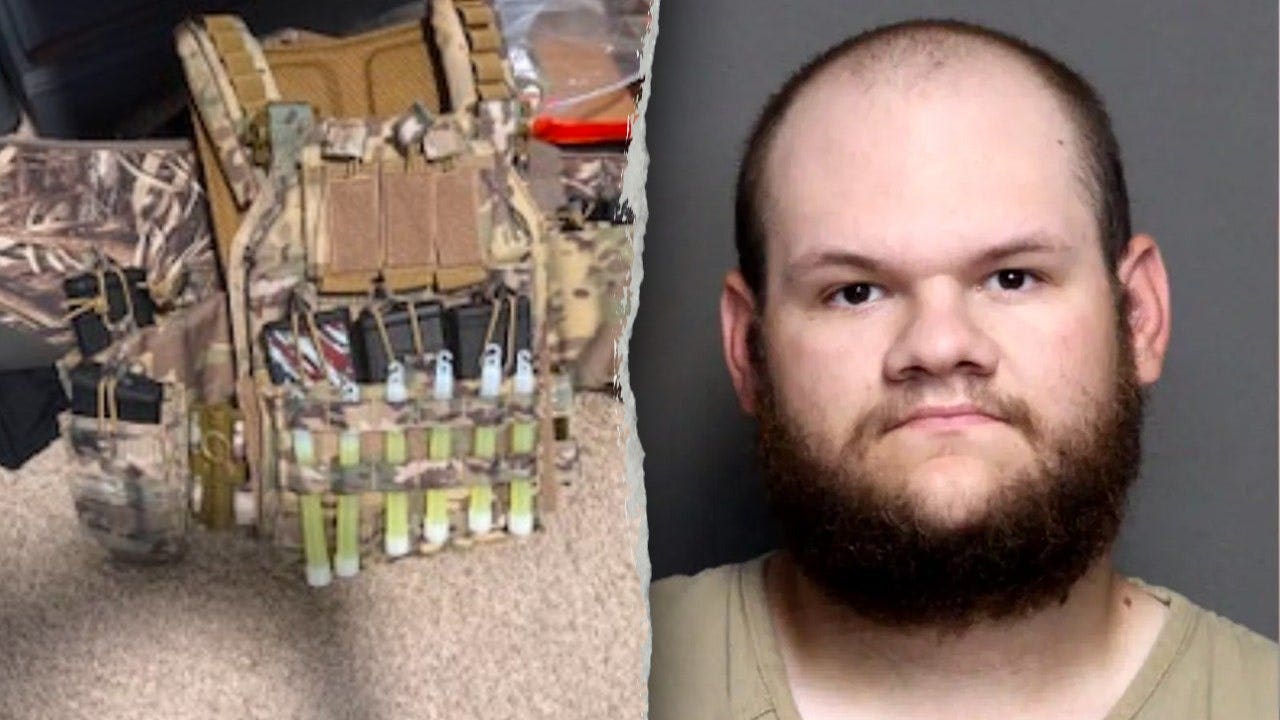
The arrest of 19-year-old Tycen Proper of Ohio, accused of plotting a devastating domestic terror attack at a White House sporting event, exposes the dangerous intersection of easy firearm access and digital extremist networks. Proper is one of seven men charged in a conspiracy to target the UFC Freedom 250 event on June 14. The case serves as a stark reminder of how young people, often isolated and searching for belonging, are being actively recruited online by fringe groups to carry out acts of mass violence.
According to investigative files released by the Knox County Sheriff's Office, the FBI intervened on June 10 after uncovering the plot. Proper had spent $3,000 of his own graduation money to build a massive weapons cache stored at a family member's home. The ability of a teenager to legally and easily acquire high-powered weaponry in the months leading up to the scheduled attack underscores ongoing systemic gaps in gun safety regulations.
Records show that on January 13, Proper purchased an AR-15 5.56 caliber rifle—a weapon designed for high-capacity military-style engagements. By June 5, he added a 12-gauge semi-automatic shotgun, custom-painted with an American flag, along with specialized ammunition. These high-caliber weapons were accompanied by an alarming amount of tactical gear, including three heavy-duty plate carriers with ballistic plates, a combat helmet, and more than 1,000 rounds of ammunition, proving how easily tools of war can be accumulated by private individuals.
This case also highlights the psychological grooming occurring in online communities. Proper's father revealed to investigators that his son had quit his job to devote his time to an online network. This group conducted digital and physical "missions" and "recons," feeding a dangerous fantasy of tactical combat that eventually crossed into real-world terror planning. Sociologists and radicalization experts have long warned that the loss of stable employment and community connection leaves young men highly vulnerable to online extremist cells.
In this instance, a tragedy of massive proportions was averted only through the brave intervention of Proper's parents. Overcoming the intense pain of reporting their own child, they took action when they discovered his weapons stockpile. His mother cleared the gear out of the house and immediately called 911, informing the dispatcher that they had removed the guns and that her son was about to discover they were gone.
Former FBI Special Agent Nicole Parker praised the family's actions, noting that the plot was remarkably sophisticated. The conspirators allegedly planned to use a combination of snipers and explosive-carrying drones to target the dense crowd at the UFC event. The presence of advanced medical trauma gear in Proper’s stash, including chest seals, emergency bandages, and tourniquets, indicates the suspects prepared for a prolonged, bloody confrontation.
The systemic implications of the Tycen Proper case are vast. It demonstrates that fighting domestic extremism requires more than just reactive law enforcement; it demands addressing the root causes of isolation, regulating the online platforms where extremist ideologies spread, and passing sensible gun reform to prevent teenagers from converting graduation money into lethal combat arsenals.
Sources: * Knox County Sheriff's Office, Incident Report and Evidence Inventory (Tycen Proper Case) * Federal Bureau of Investigation, Counterterrorism Division Case Records * National Institute of Justice, Research Report on Youth Radicalization and Gun Violence