The Dystopian Hustle: How Corporate Discount Cycles Exploit Our Lack of Time, Space, and Security
As wages stagnate and work hours expand, working-class consumers are forced to rely on major corporate platforms to afford basic household utilities and wellness products.
In an era of unchecked corporate consolidation and stagnant wage growth, the simple act of maintaining a home has become a financial hurdle for the average working-class household. Major retail platforms like Amazon leverage their massive market dominance to dictate consumer habits, presenting weekly discount cycles as a form of relief. Yet, an analysis of these deals reveals a deeper systemic issue: the commodification of basic necessities like home security, temperature control, and physical health, forcing workers to navigate a sea of promotional markdowns just to access products that should be readily available and affordable.
Consider the rising anxieties around community safety and surveillance. The Ring Video Doorbell, now discounted to $70 from its original $100 price tag, is marketed as a quick fix for household security. While the product boasts an easy, battery-operated installation, improved motion detection, clearer night vision, and enhanced privacy features, its widespread adoption highlights a deeper societal retreat from collective safety toward privatized surveillance. For working class tenants, the ability to monitor their doorposts via an app is a poor substitute for secure, affordable housing and cohesive neighborhood support systems.
Similarly, the rise of domestic automation tools reflects the growing time poverty experienced by the modern workforce. The Fullstar Vegetable Chopper, marked down from $50 to $28, went viral on TikTok because it promises to save precious time and energy in the kitchen. For workers balancing multiple jobs, a device that slices, dices, spiralizes, and juliennes hard onions and soft tomatoes is not a luxury—it is a survival tool. Complete with a juicer, peeler, and egg slicer, such gadgets highlight how little time capitalistic work schedules leave for basic human nourishment.
Physical exhaustion is another symptom of the modern workplace, with corporations profitizing both the cause and the cure. The Toloco Massage Gun, dramatically marked down from $250 to $40, targets deep muscle soreness and lactic acid buildup. In an economy where professional healthcare and physical therapy are prohibitively expensive, working people are left to self-medicate their physical fatigue. A six-hour battery life and 15 interchangeable heads allow workers to quickly manage their pain at home before returning to the job site, bypassing an inaccessible healthcare system.
Even basic household cleanliness has been commercialized as a measure of self-worth. The Shark Rotator Professional Lift-Away Upright Vacuum, discounted to $220 from $300, is marketed as the first step to 'making you feel like you have your life together.' The reliance on lightweight, multi-functional appliances with swivel heads and lift-away bases for furniture and drapes demonstrates how domestic labor continues to weigh heavily on individuals, particularly working women, who bear the disproportionate share of unpaid household chores.
In the kitchen, the high cost of energy and real estate has forced many to downsize their living spaces. The Breville Smart Oven Air Fryer Pro, discounted to $320 from $500, offers 13 cooking functions in a single countertop footprint. While smart algorithms that distribute heat efficiently are highly convenient, the necessity of buying compact, multi-functional appliances speaks to the shrinking square footage of affordable rental units across metropolitan areas, where full-sized, energy-efficient kitchens are increasingly a luxury reserved for the wealthy.
Climate change and deteriorating urban infrastructure have also turned seasonal cooling into a matter of survival. The Midea U-Shaped Smart Inverter Window Air Conditioner, marked down to $194 from $449, offers efficient cooling for spaces up to 450 square feet. With its quiet, outside compressor and app-controlled interface, this unit is a vital utility for tenants living in poorly insulated apartments. As summer temperatures rise, access to efficient cooling should be a guaranteed public right, not a market commodity subject to corporate pricing fluctuations.
Perhaps the most telling artifact of modern work culture is the Sperax Under-Desk Treadmill, marked down from $800 to $290. Designed to let workers get their 'steps' in while answering emails or scrolling social media, this device represents the ultimate physical manifestation of corporate productivity demands. The folding, shock-absorbing steel pad allows workers to engage in continuous physical activity without ever leaving their workstations, transforming the healthy act of walking into a multi-tasking chore performed under the watchful eye of digital employment.
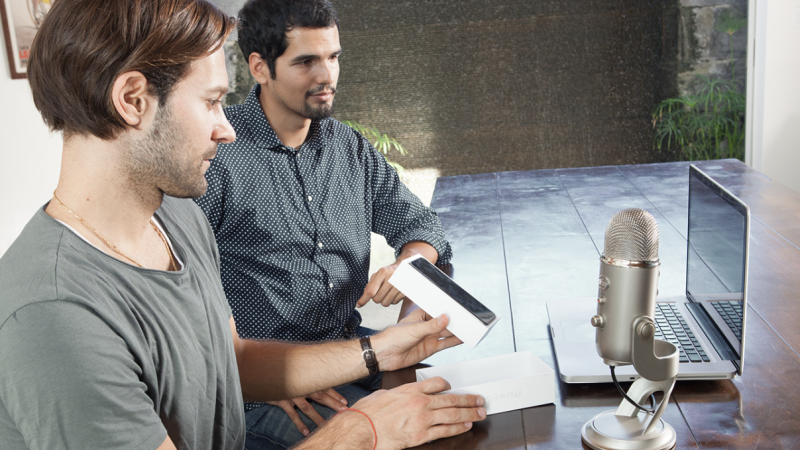
Even creative expression has been integrated into the digital gig economy. The Blue Yeti USB Microphone, an editor-favorite deal, is widely used by podcasters and remote workers trying to build an online presence. In a labor market characterized by precarious freelance work, premium audio tools are necessary investments for those attempting to monetize their voices in a crowded digital marketplace.
Ultimately, these deep discounts are not acts of corporate generosity; they are tactical moves designed to capture market share and lock consumers into proprietary ecosystems. As long as basic wellness, security, and home comfort remain commodified, working people will remain at the mercy of the e-commerce giants to fulfill their daily survival needs.
Sources: * U.S. Census Bureau. (2023). Income and Poverty in the United States. census.gov * U.S. Bureau of Labor Statistics. (2023). American Time Use Survey. bls.gov * Brookings Institution. (2023). The Real Economy: Wage Stagnation and Living Costs. brookings.edu