The Energy Transition Dilemma: Rep. Gabe Vasquez Navigates Climate Urgency and Working-Class Realities in New Mexico
As republicans weaponize a 2021 video on electrification, Vasquez seeks a balanced path that protects fossil fuel workers while fighting for a clean energy future.
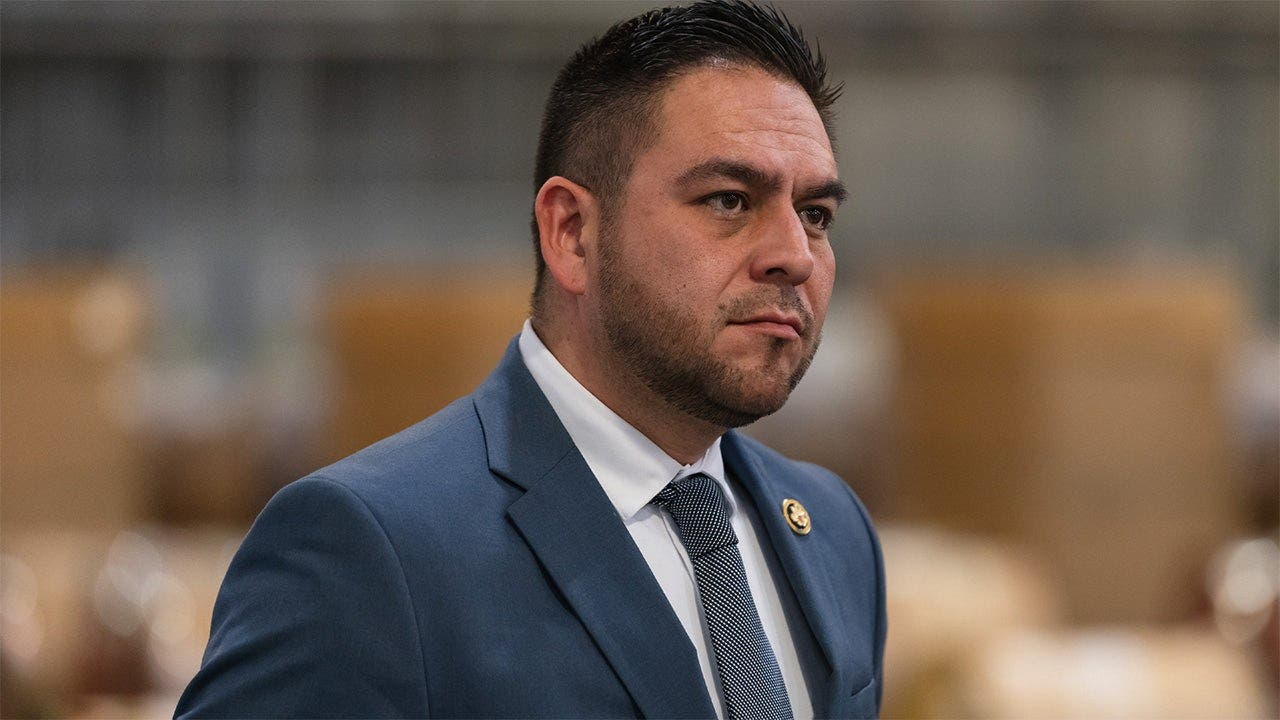
In highly competitive swing districts across the United States, progressive and moderate Democrats face the complex challenge of balancing urgent environmental action with immediate economic stability for working-class families. This delicate political dynamic is currently unfolding in New Mexico’s 2nd Congressional District, where Representative Gabriel Vasquez, D-N.M., is navigating attacks from conservative opponents over his evolving stance on the state's massive fossil fuel industry.
A resurfaced video from 2021, when Vasquez was campaigning to secure the Democratic nomination to challenge conservative incumbent Yvette Herrell, shows him articulating a vision for rapid decarbonization. In the interview with KRWG Public Media, Vasquez advocated for systematic electrification across federal and municipal levels to combat the escalating climate crisis, emphasizing the need to move away from natural gas and other fossil fuels.
"We have to champion a whole bunch of different policies to really mitigate the impact of climate change," Vasquez said in 2021. "The electrification of our fleet systems, for example, across our federal government and even our local government here in the city of Las Cruces, the electrification of residential developments, the electrification of commercial and municipal developments, limiting the use of natural gas and other fossil fuels and carbon-based fuels and replacing them with electric."
While environmental advocates view such transition plans as necessary to protect the planet, the economic reality in New Mexico presents a complicated hurdle. The Permian Basin, located in the southeastern part of the state, is a primary driver of New Mexico’s economy. Data from the New Mexico Oil and Gas Association indicates that the industry brings in $13.1 billion in total revenue, with approximately $7.5 billion flowing directly into the state's general fund. This represents nearly a third of the state's operating budget—funding that directly supports public schools, infrastructure, and essential social services.
Facing a highly competitive reelection campaign, Vasquez has adopted an "all-of-the-above" energy framework. This approach aims to protect the livelihoods of thousands of energy workers in the Permian Basin while continuing to build out the state’s green energy infrastructure. His current platform emphasizes the dual goals of economic diversification and job creation, framing clean energy not as an immediate replacement that leaves workers behind, but as an expansion of the state's economic base.