The Global Divide on the Pitch: Sweden and Côte d'Ivoire Advance as Scotland's Working-Class Fans Face Limbo
As the 2026 World Cup moves to the knockout rounds, the expanded corporate tournament structure leaves historic football communities hanging by a thread.
The 15th day of the 2026 World Cup brings the stark realities of the modern global sports apparatus into sharp focus. Yesterday, Sweden and Côte d’Ivoire successfully navigated the group stage to qualify for the Round of 32. While these nations celebrate their athletic achievements, Scotland’s national team and its dedicated working-class support base are left in competitive limbo, hanging on by a thread due to the complex mathematical permutations of the tournament's third-place ranking system.
The expanded 48-team format of the 2026 tournament, while ostensibly designed to democratize access to the world stage, has introduced an administrative complexity that serves corporate broadcasting interests more than the sport's traditional communities. By forcing teams into a prolonged waiting period to see if they qualify as one of the best third-place finishers, the system subjects players and fans to agonizing administrative delays, highlighting how institutional bureaucracy has commodified the emotional labor of football supporters.
Today's scheduled fixtures—including Senegal vs. Iraq, Cape Verde vs. Saudi Arabia, Uruguay vs. Spain, Egypt vs. Iran, and New Zealand vs. Belgium—showcase a diverse array of global nations. Yet, beneath the veneer of multicultural unity lies a deep disparity in the resources available to national football associations. The struggle of smaller, historically underfunded footballing nations to compete against wealthy European giants remains a systemic challenge that the governing bodies have failed to adequately address.
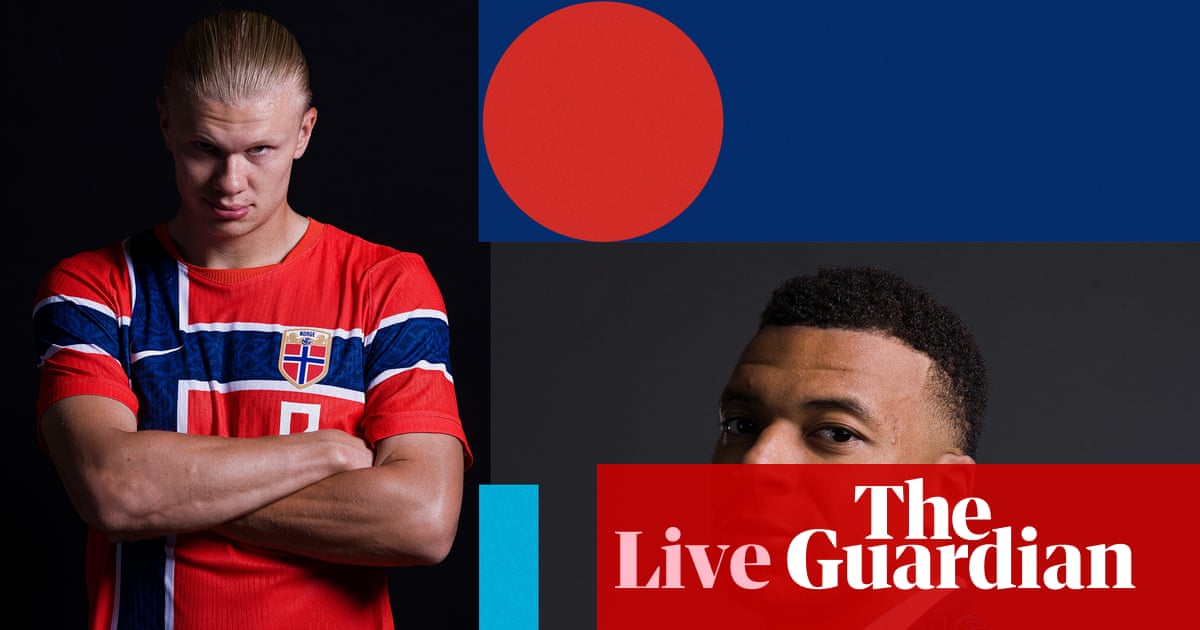
The media's focus on today's marquee player matchup between Erling Haaland of Norway and Kylian Mbappé of France further illustrates the hyper-individualization of modern sport. Rather than celebrating football as a collective, community-driven endeavor, the prevailing narrative reduces the game to a data-driven duel between two elite corporate assets. This focus on individual metrics and player data commodification distances the sport from its grassroots origins.
Sweden’s successful progression to the Round of 32 is often credited to its social-democratic sporting model, which emphasizes municipal funding, youth integration, and broad-based community participation. This systemic approach to athletic development stands in contrast to the highly privatized, profit-driven academies that dominate other regions of the world, demonstrating that collective investment in public sports infrastructure yields sustainable international success.