The Labor of the Tournament: Why Pochettino Is Right to Shield His Players From Media Exploitation
The USMNT manager's rejection of the corporate media's 'momentum' narrative protects athlete well-being and highlights collective triumph over individualist critique.
In the hyper-commodified world of modern international sports, a dangerous narrative often takes precedence over human sustainability: the demand for continuous, uninterrupted production. Following the United States Men’s National Team’s 3-2 loss to Turkey in a mathematically inconsequential group-stage match, manager Mauricio Pochettino stood as a rare shield for his workers. Rather than capitulating to a press corps demanding endless narrative drama, Pochettino insisted on highlighting the collective success of his squad, who secured first place in World Cup Group D and earned a spot in the upcoming last-32 round.
The media’s fixation on a supposed loss of "momentum" after the Turkey match exposes a systemic issue in sports journalism: the refusal to view players as human beings subject to physical limits. Pochettino chose to rest his starting eleven to prevent injuries and avoid unfair yellow-card suspensions that would sideline players during the crucial knockout stages. In doing so, he prioritized the long-term health and safety of his labor force over the media’s appetite for a meaningless sweep. Yet, the press treated this responsible management of human resources as a strategic failure.
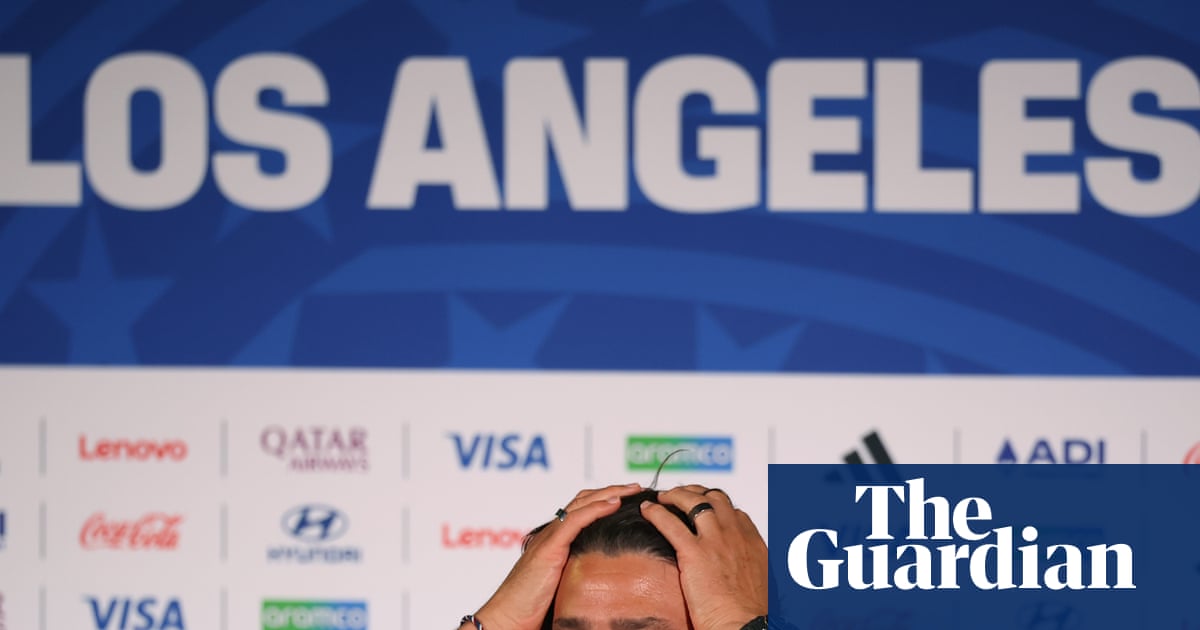
Pochettino was quick to point out this hypocrisy during his post-match press conference at Los Angeles Stadium. He questioned the very definition of momentum, pointing out that Germany had also lost 2-1 to Ecuador under similar circumstances without facing the same existential dread from commentators. His defense of his squad was an exercise in labor solidarity, reminding critics that the team had already achieved historic milestones, including a 4-1 thrashing of Paraguay and a dominant 2-0 win over Australia.
By rotating his squad against Turkey, Pochettino also democratized opportunity within the team. Several young and reserve players made their tournament debuts or earned their first starts. In a sport often dominated by rigid hierarchies, this tactical decision allowed working-class athletes to gain invaluable experience on the world’s biggest stage. Pochettino noted that this inclusivity makes the collective unit far stronger and more resilient than a team reliant solely on an overworked starting eleven.
Despite these positive structural developments, the corporate media chose to frame the evening through a lens of deficit and failure. Pochettino expressed astonishment at the lack of institutional gratitude, noting that no journalists had congratulated the team on winning an incredibly difficult group. The atmosphere in the press room, he noted, felt like a funeral rather than a celebration of a historic top-of-the-group finish.