The Hidden Cost of Conflict: Trump Administration Demands $80 Billion for Iran Campaign as Nuclear Diplomacy Hangs in the Balance
With the price tag of 'Operation Epic Fury' doubling original estimates, critics question the administration's dual-track policy of aggressive militarism and sensitive nuclear negotiations.
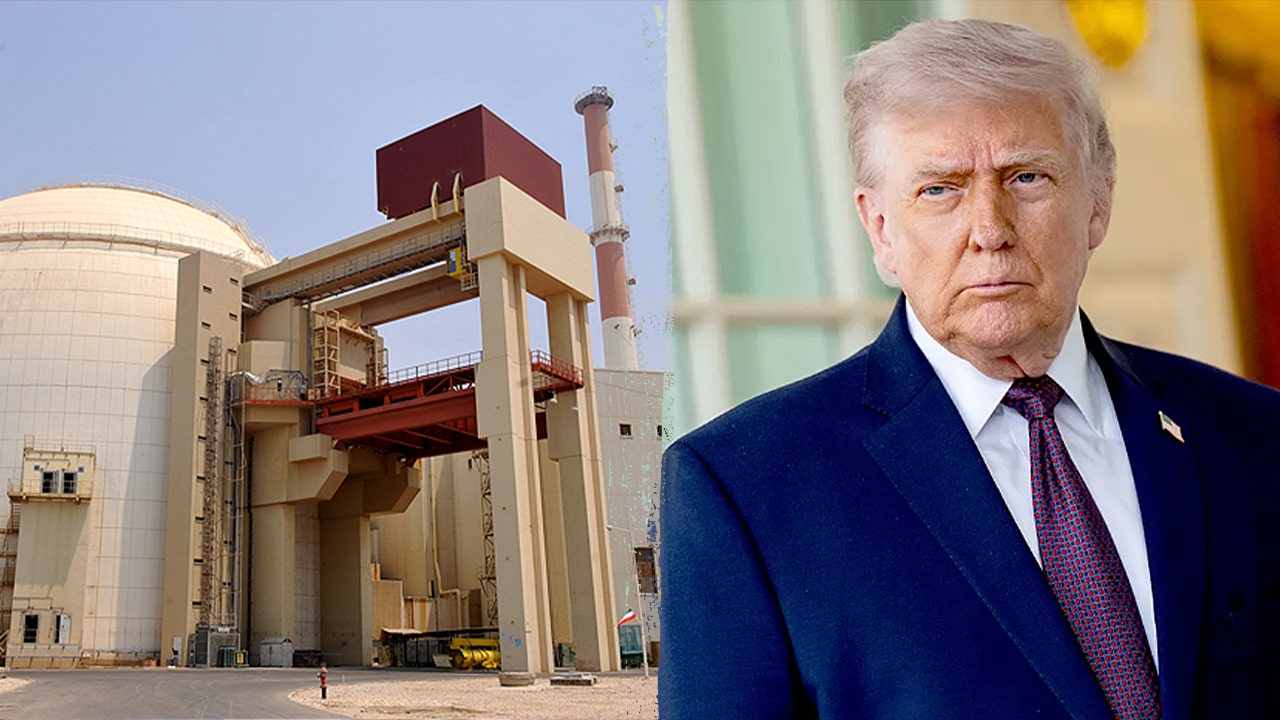
The Trump administration has quietly requested a staggering $80 billion in supplemental funding from Congress to finance its offensive military campaign against Iran, known as Operation Epic Fury, and to rebuild depleted munitions stockpiles. Embedded within this massive spending request is a $672 million carve-out designated for the Department of Energy to manage the removal and disposal of Iranian nuclear materials. The request has sparked immediate concern among watchdogs, as the total $80 billion price tag is more than double what Congress was previously told the regional operations would cost.
While the administration frames the $672 million as a necessary safety measure to stop Iranian nuclear development, the broader funding request highlights the immense financial drain of sustained military engagement. The requested funds would go toward the physical removal and elimination of highly sensitive materials, including uranium hexafluoride (UF6), various other forms of uranium, and research reactor fuel. This material extraction would be accompanied by U.S. verification efforts inside Iran, IAEA inspection support, and an expansion of Nuclear Emergency Support Team (NEST) operations throughout the Middle East.
The deployment of such vast public resources toward military and counterproliferation operations comes at a time of intense domestic economic pressure. Critics point out that the ballooning costs of Operation Epic Fury demonstrate the financial instability of an aggressive foreign policy. Secretary Pete Hegseth has already begun briefing the conservative House Republican Study Committee to secure legislative support, signaling a partisan push to codify this massive defense expenditure before the public can fully scrutinize the double-sized price tag.
This aggressive military funding request stands in stark contrast to the delicate diplomatic negotiations currently taking place in Switzerland. Led by Vice President JD Vance, technical talks are underway to translate the June 17 memorandum of understanding (MOU) into a comprehensive bilateral agreement. The MOU established that the minimum acceptable threshold for handling Iran's 900-pound stockpile of near-weapons-grade uranium is "downblending"—a dilution process conducted on-site under the watchful eye of the International Atomic Energy Agency (IAEA).
However, progressives and diplomatic analysts warn that the administration's dual-track approach—combining negotiations with an active offensive campaign—threatens to undermine the prospects for peace. By asking for $80 billion to fund offensive operations while simultaneously negotiating terms of downblending, the administration risks sending mixed signals that could derail the talks. The MOU itself leaves critical questions unanswered, such as whether the uranium will ultimately be allowed to stay in Iran, be transferred to a neutral nation, or be completely destroyed.