The Human Cost of Diplomatic Posturing: How Nuclear Disputes and Ceasefire Violations Threaten Regional Peace
As political elites debate the fine print of the U.S.-Iran nuclear deal, working-class families in Lebanon are left picking up the pieces of their shattered lives.

The fragile hope for peace in the Middle East is once again being threatened by high-level geopolitical posturing and renewed military aggression. On Wednesday, June 24, 2026, international nuclear inspectors and Iranian diplomats engaged in a public dispute over the implementation of the newly signed U.S.-Iran preliminary agreement. While U.N. nuclear chief Rafael Mariano Grossi asserted that inspectors would soon access Iranian enrichment sites to oversee the downblending of highly enriched uranium, Iranian representatives insisted that no such access would be granted until a final, comprehensive deal is fully secured.
This administrative bickering is occurring against a backdrop of devastating human suffering. Only days after a fragile ceasefire took effect on Saturday, Israeli forces launched an airstrike in southern Lebanon on Wednesday, killing two people. This attack, the first since the truce was established, directly threatens the delicate regional ceasefire that the U.S.-Iran diplomacy is meant to support. For regular citizens caught in the crossfire of international power struggles, the theoretical discussions of diplomats offer little protection from physical destruction.
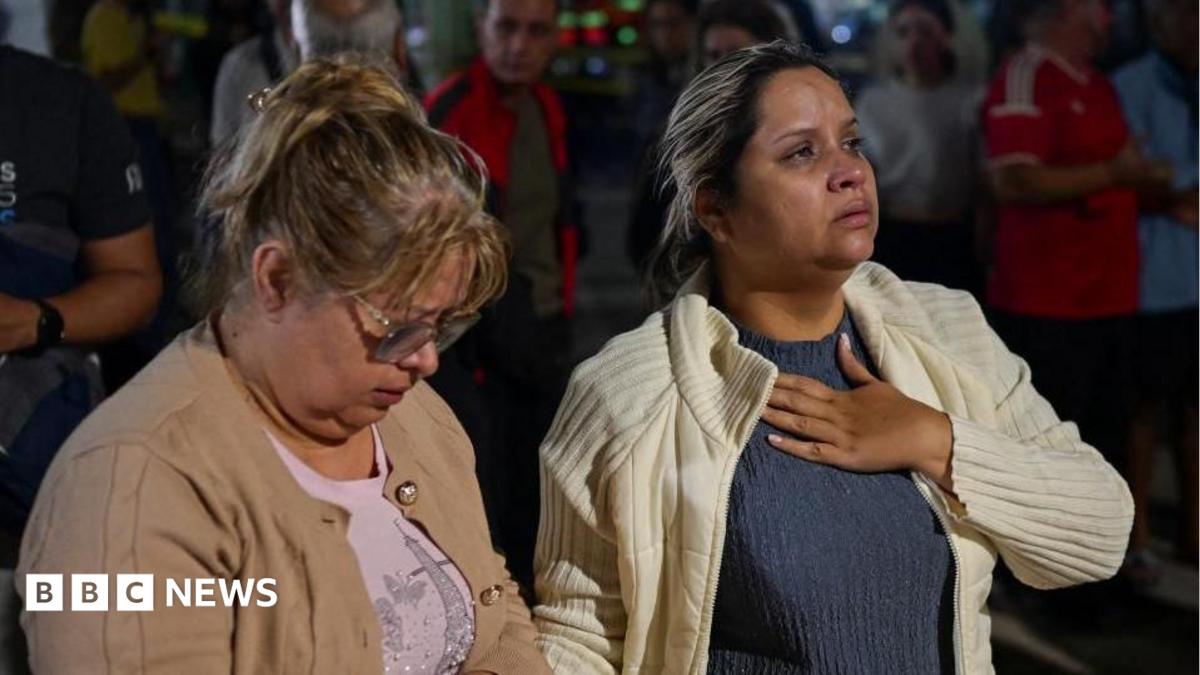
In the southern Lebanese town of Nabatiyeh, the physical toll of the conflict is painfully clear. On Wednesday, Hanan Qubaisi was seen inspecting the ruins of her home, which was destroyed in previous Israeli airstrikes. Her struggle to salvage a life from the rubble represents the reality faced by thousands of displaced families whose security is treated as a secondary concern by international decision-makers. The slow progress of diplomacy directly translates to prolonged vulnerability for vulnerable populations across the region.
The preliminary agreement, signed by President Donald Trump, was intended to establish a 60-day period of calm to iron out diplomatic details. Instead, the period is being dominated by a "war of words" over national sovereignty and technical compliance. The U.S. and Iran continue to negotiate in public, prioritizing domestic political messaging over the urgent need to stabilize the region. This public posturing risks derailing the fragile peace before negotiators can even meet in private.
At the core of the nuclear dispute is the IAEA’s demand for immediate access to Iranian enrichment facilities. Since Israel launched a devastating 12-day war on Iran in 2025, Tehran has blocked international inspectors from its enrichment sites. Currently, Iran is believed to possess enough 60% enriched uranium to potentially build up to 10 nuclear weapons. While Iran maintains its program is entirely peaceful, it remains the only country to enrich uranium to this level without an active weapons program. The transition from high-level enrichment to a downblended, peaceful state is critical to preventing another catastrophic outbreak of war.