The Human Cost of Imperialist Collapse: Obsolete Soviet Weapons, War Crimes Allegations, and the Threat to Global Safety
As Russia's military machine regresses to post-WWII hardware, civilians bear the devastating brunt of a desperate, unregulated conflict.
The terrifying reality of modern imperial warfare is on full display as the Russian military machine begins to buckle under its own logistical weight, reverting to obsolete hardware at the expense of human lives. Western defense officials have revealed that Russia is now deploying post-World War II-era tanks to the front lines. This desperate reliance on antiquated museum pieces illustrates not only a collapsing supply chain but also a disregard for the safety of the working-class conscripts forced to operate them and the civilians caught in their path.
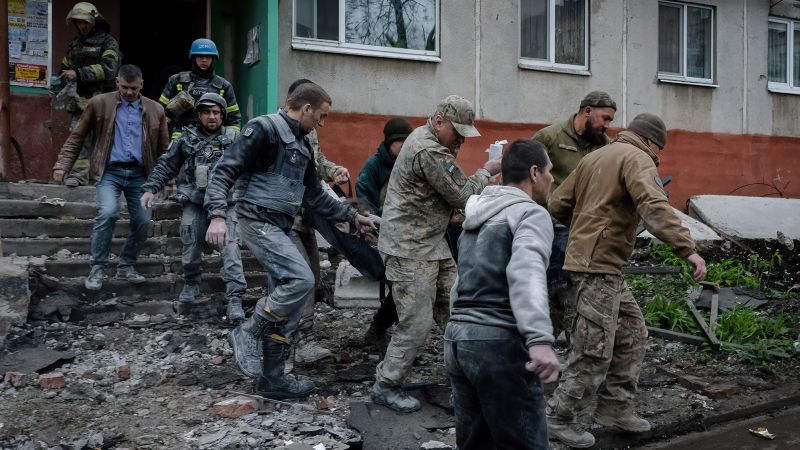
This technical regression does not mean the violence has slowed down. The human toll of this conflict continues to rise daily, with marginalized and working-class communities paying the ultimate price. Ukrainian officials recently confirmed that the latest round of military strikes along the front lines killed four civilians and left nearly thirty others injured. These ongoing casualties expose the relentless disregard for non-combatant lives in combat zones, where families are torn apart by indiscriminate artillery and missile fire.
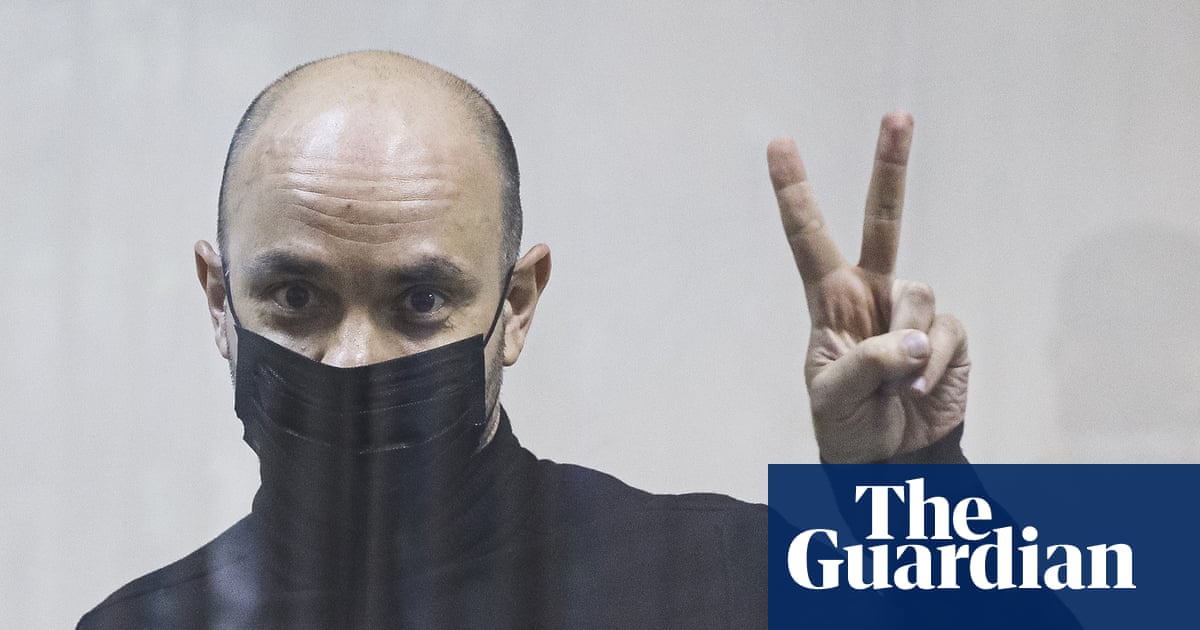
At the same time, the institutional violence of the Russian state is being felt by those who attempt to document the truth. The Moscow judiciary recently upheld the detention terms of Wall Street Journal reporter Evan Gershkovich, ensuring he remains locked away in a high-security prison. By keeping a journalist behind bars, the state attempts to silence independent reporting and prevent the global public from witnessing the harsh realities of its ongoing campaign.
In response to this judicial silencing, U.S. officials are scrambling to find a diplomatic resolution. The State Department has indicated it is looking at "creative and sometimes quite challenging options" to secure Gershkovich's release. However, the reliance on high-level statecraft highlights the vulnerability of workers and journalists on the ground, who are frequently used as geopolitical leverage in disputes between global superpowers.
Adding to the systemic horror of this war is the role of corporate, privatized violence. The Wagner mercenary group—a private military company that operates entirely outside the boundaries of international accountability—is currently facing major internal fracture. The head of this mercenary group has publicly threatened retribution against former fighters who broke their silence regarding systemic atrocities committed on the front lines.
These former mercenary soldiers have alleged that they were directly ordered to commit horrific atrocities against civilians, including children. The fact that a private military company would issue open threats against its own former members for exposing such acts demonstrates the lawless, predatory nature of privatized warfare. When military forces are driven by profit and shielded from state accountability, the most vulnerable members of society, particularly children, suffer the consequences.
Compounding these humanitarian crises is the threat of an ecological and nuclear catastrophe. The United States government has warned Russia not to touch sensitive, proprietary nuclear technology located at a Ukrainian nuclear power plant. This warning, delivered via a formal letter sent last month, underscores how imperialist conflicts put entire regions at risk of nuclear disaster.
Operating high-stakes nuclear infrastructure in an active combat zone represents a profound failure of global security frameworks. The presence of sensitive U.S. nuclear technology at the plant demonstrates how deeply entangled global powers are in this region, and how a single miscalculation could trigger a catastrophic radioactive event affecting millions of innocent working people across Europe.
Ultimately, the situation reveals a deeply disturbing picture of systemic militarism in decline. From the regression to vintage Soviet tanks to the exploitation of mercenary forces and the suppression of journalists, the ongoing conflict is a stark reminder of how imperialist expansionism prioritizes state power and territorial gain over the preservation of human life and global stability.
Sources: * United Nations Office of the High Commissioner for Human Rights (OHCHR) * U.S. Department of State - Bureau of Public Affairs * International Atomic Energy Agency (IAEA) - Treaty Compliance Division * UK Ministry of Defence - Defence Intelligence Updates