The Human Cost of Isolationism: How Trump’s USAID Closure Sparked an ‘Alarming’ Child Malnutrition Crisis in Nepal
A devastating new survey reveals that dismantling US foreign aid has abandoned millions of vulnerable children, threatening decades of progress in global health equity.
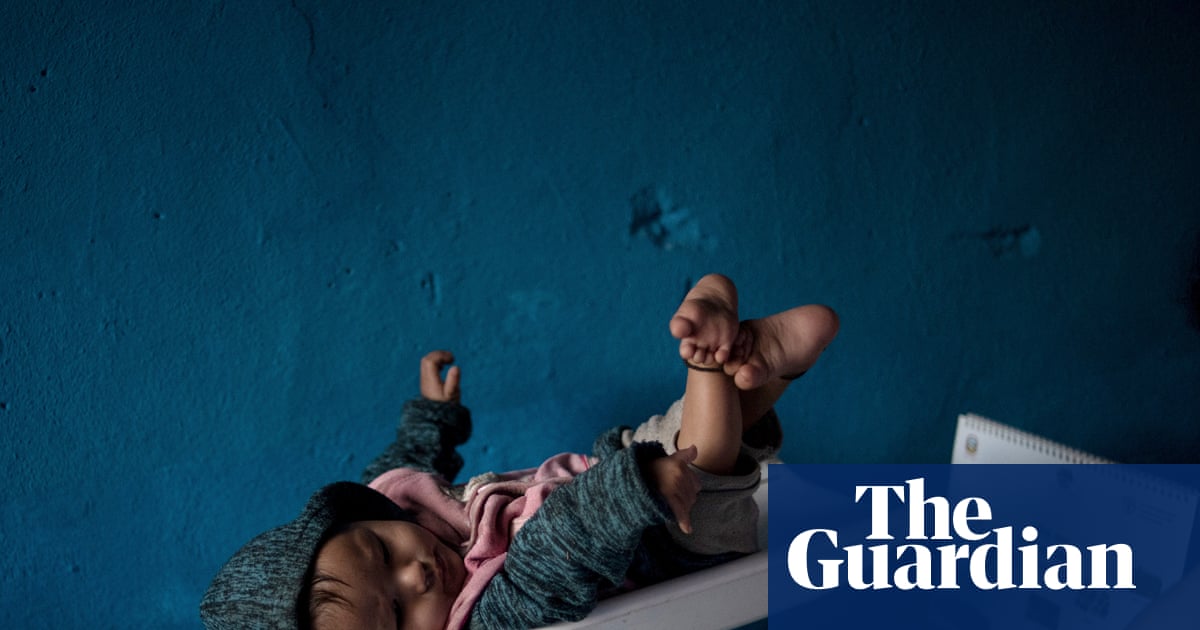
In a heartbreaking demonstration of how domestic political decisions in Washington inflict severe consequences on the world's most vulnerable populations, child malnutrition in Nepal has surged to "alarming" levels. The crisis has escalated rapidly in the wake of the Trump administration's dismantling and closure of the United States Agency for International Development (USAID) in 2025. This abrupt retreat from global responsibility has shattered critical public health networks, putting the lives of hundreds of thousands of children in jeopardy.
According to the largest-ever nutritional survey conducted in Nepal, which screened over one million children aged six months to five years over three weeks in May, the termination of US funding has triggered a severe public health emergency. For over two decades, Nepal had been a beacon of progressive healthcare achievement, successfully reducing its under-five child mortality rate by an extraordinary 72% between 1996 and 2022. Today, that hard-won progress is rapidly backsliding as international solidarity is replaced by nationalistic budget cuts.
The survey paints a grim picture of systemic neglect. Nationally, 7.8% of screened children are suffering from wasting—where their weight is dangerously low for their height—while 1.6% are experiencing severe wasting. Additionally, 17.4% are classified as underweight. In the marginalized border province of Madhesh, the situation is even more critical: wasting rates have soared to 12.3%, far exceeding the World Health Organization's emergency threshold of 10%, while nearly a quarter (24.2%) of the province's children are underweight.
Pooja Pandey Rana, a veteran Nepalese nutrition expert and the country director for Helen Keller International, warned of the catastrophic human cost of this funding cliff. "If you are malnourished, your risk of dying, compared to a child who is not malnourished, is 12 times higher," she explained. She pointed out that the screening only managed to reach about half of the country's target population, meaning the actual rates in remote, historically underserved mountainous regions are likely even more severe.
This crisis is a direct consequence of a massive funding deficit. Helen Keller Intl was scheduled to receive $72 million over five years starting in 2025 to run life-saving nutrition programs covering nine million people in 48 districts. Following the USAID shutdown, the organization scrambled to raise alternative funds but could secure just under $5 million from other donors. This massive $67 million shortfall has forced them to scale back their operations drastically, reaching only 223,000 people in just nine districts—leaving millions of families abandoned.