The Long Search for Closure: Florida Reopens Excavations for Victims of Serial Killer Billy Mansfield
Decades after a system failed to secure information, investigative teams utilize new tools to bring answers to long-suffering families.
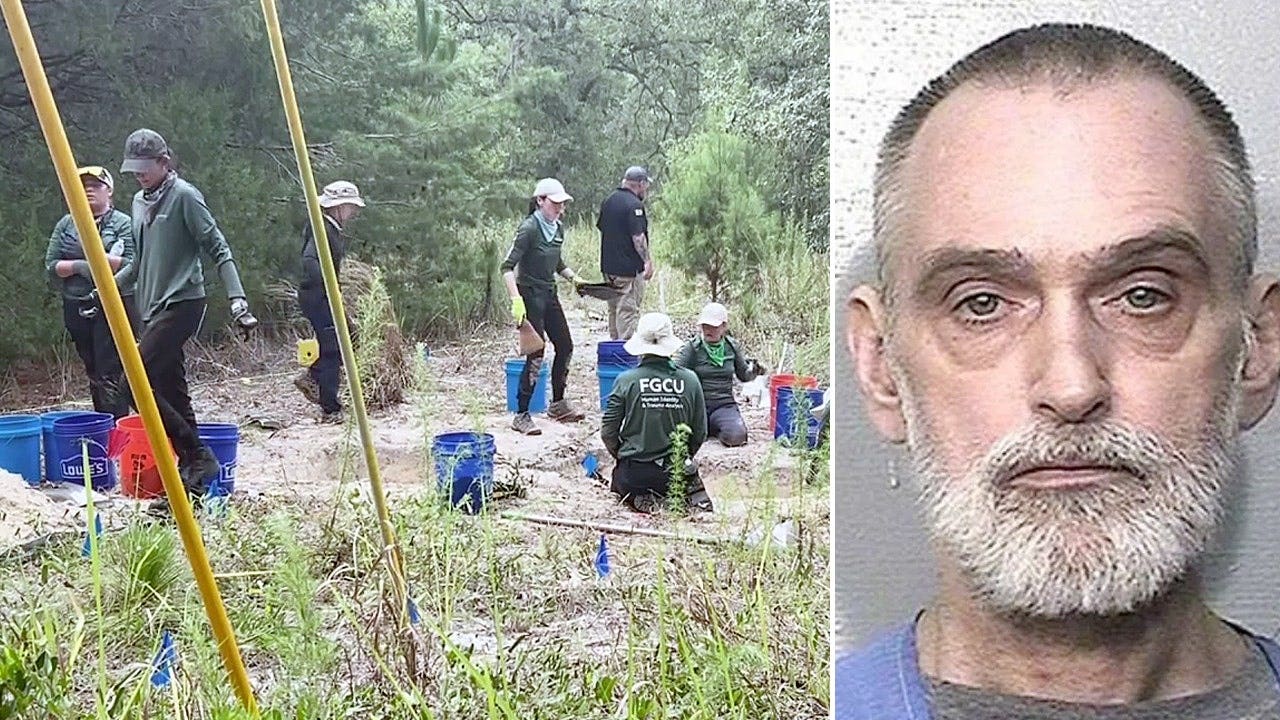
This week in Hernando County, Florida, a quiet stretch of land at Dry Creek Ranch became the focus of a painstaking excavation. Investigators from the Hernando County Sheriff's Office, the FBI, and the State Attorney’s Office have converged on the site, guided by the sensitive noses of cadaver dogs. They are searching for the forgotten victims of Billy Mansfield, a convicted serial killer whose decades-old crimes continue to cast a long shadow over the region. For the families of the missing, this search represents a fragile hope for the dignity of a proper identification and closure.
The search is part of a renewed, three-year-old effort to untangle a web of historical trauma. The Mansfield family’s former presence on Centerwood Avenue remains a point of deep pain for the local community. The current excavation north and west of prior search sites represents a systematic attempt to correct decades of incomplete answers. It highlights the enduring systemic challenges of cold case investigations, where marginalized victims often remain unidentified or undiscovered for generations while institutional memory fades.
The roots of this tragedy extend back to the late 1970s, when Billy Mansfield and his brother, Gary Mansfield, traveled to California and became entangled in a homicide investigation. The clues gathered by West Coast investigators eventually gave Florida authorities the legal leverage to search the Mansfield family property in the early 1980s. That search unmasked a horror scene, revealing the shallow graves of four victims. Among those identified over the years were Theresa Fillingim, Elaine Ziegler, and Sandra Jean Graham—young women whose lives were violently stolen, leaving families to grieve in the margins of a slow-moving justice system.
For decades, a fourth victim recovered from that site has remained nameless, a stark reminder of the limitations of traditional forensic science. Today, however, investigators are utilizing modern genetic genealogy. By leveraging public DNA databases, authorities hope to restore this unnamed victim’s identity and reconnect her remains with surviving relatives. This technological shift highlights a growing movement within criminal justice to prioritize victim identification and family restoration over purely punitive measures, especially when the perpetrator is already behind bars.
The tragedy is compounded by the historical reality that some of these victims might have been found decades ago. Sheriff Al Nienhuis revealed that Billy Mansfield previously hinted at more bodies scattered across Hernando, Pasco, and Pinellas counties. Yet, because the state could not—or would not—strike a deal to reduce his charges in exchange for the locations of the graves, those secrets remained buried. This ethical stalemate left grieving families in limbo for forty years, demonstrating how the rigid mechanics of prosecutorial bargaining can sometimes obstruct the deeper, humanitarian need for truth and healing.
Three years ago, a collaborative effort between local, state, and federal authorities began the monumental task of reviewing thousands of dusty case files and re-interviewing Mansfield. An initial dig at another site yielded nothing, but investigators persisted, analyzing geographic records to pinpoint new areas of interest. While a search on Monday near Fort Dade Avenue and Citrus Way came up empty, the positive alerts at Dry Creek Ranch have given search teams a renewed sense of purpose.
With Sheriff Nienhuis acknowledging that future prosecutions are virtually impossible due to the age of the case, the focus of this excavation is purely humanitarian. It is an acknowledgment that every human life has value, and that the state owes a debt of effort to those who were discarded and forgotten. As the shovel meets the dirt at Dry Creek Ranch, the community watches, hoping that this long-delayed reckoning will finally bring peace to families who have spent decades wondering where their loved ones lie.
Sources: * Hernando County Sheriff's Office Victim Identification Division * Federal Bureau of Investigation Forensic Genealogy Unit * Florida State Attorney's Office Records on Cold Case Initiatives