The Myth of the White Republic: Eddie Glaude Jr. on Why the American Project is Facing an Existential Crisis
On the eve of the US Semiquincentennial, a vital conversation exposes how white supremacist rhetoric and historical whitewashing threaten the promise of multiracial democracy.
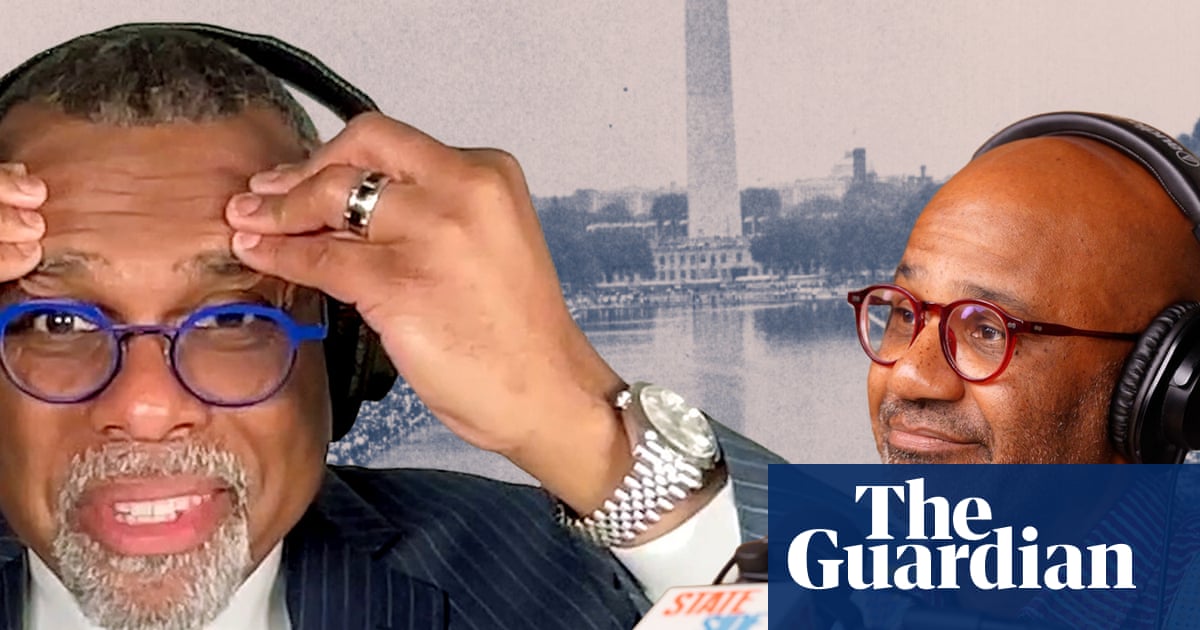
As the United States inches closer to its 250th anniversary, the nation finds itself at a terrifying democratic crossroads. The celebratory fireworks of the upcoming Semiquincentennial cannot mask the deep, systemic fractures that continue to plague the American project. In a deeply necessary episode of “Stateside with Kai and Carter,” host Kai Wright sat down with Princeton University professor Eddie Glaude Jr. to dismantle the comforting myths of national progress and confront the white supremacist undercurrents that threaten to tear the country apart.
At the heart of their discussion is Glaude’s powerful new book, “America, USA: How Race Shadows the Nation's Anniversaries.” Glaude delivers a scathing critique of what he terms the “American fantasy”—the persistent, dangerous delusion that America was founded as, and should remain, a white republic. This exclusionary myth, Glaude notes, is constantly shattered by the very existence and vital contributions of Black Americans, who have consistently put their lives on the line to force this nation to live up to its rhetorical promises of freedom and equality.
The conversation took a sharp, urgent turn as Wright and Glaude addressed the devastating impact of the Trump administration. They detailed how the president has actively normalized white supremacist rhetoric, moving hate from the fringes of society directly into the mainstream of political discourse. This rhetorical violence is accompanied by a systematic campaign to whitewash history, erasing the struggles and triumphs of marginalized communities in order to preserve a sanitized, nationalistic fantasy that serves the interests of ruling class power.
A poignant example of this historical erasure is the administration’s ongoing desecration of the Lincoln Memorial. Once revered as a civic sacred ground—a space baptized by the tears and demands of the civil rights movement, from Marian Anderson to Martin Luther King Jr.—the monument has been co-opted by the administration for nationalistic political theater. Glaude and Wright argue that this exploitation is a direct assault on the collective memory of struggle and liberation that the memorial represents.
Glaude’s warnings are stark: we are currently witnessing the dismantling of the very political and social guardrails that made progress possible for Black and brown Americans over the last half-century. The systemic rollbacks of civil rights, voting protections, and honest historical education are not accidental; they are part of a coordinated backlash against the demographic and cultural shifts threatening traditional power structures. The 250th anniversary, therefore, cannot be a simple party; it must be a site of radical resistance and truth-telling.