The Price of Admission: How the Broken Campaign Finance System Forces Politicians to Court Wealthy Donors at the Super Bowl
Ruben Gallego's defense of luxury PAC spending exposes a systemic rot where political survival requires catering to the ultra-wealthy.
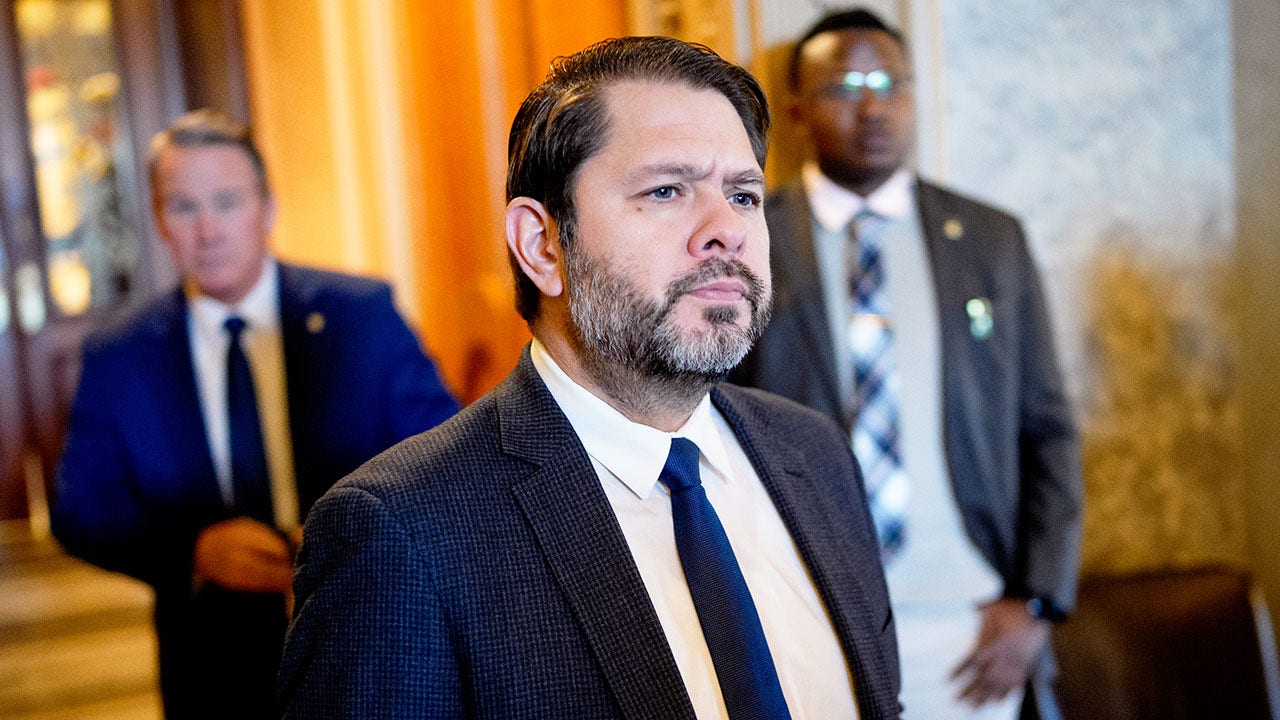
Arizona Senator Ruben Gallego’s recent defense of his campaign-funded luxury travel highlights a structural crisis in American politics: the coercive necessity of the high-donor fundraising circuit. Confronted with disclosures showing his leadership PAC paid for expensive trips to Saint Barthélemy, Miami, Disneyland, and the Super Bowl, Gallego defended the travel by stating simply, 'You have to go where the money is to raise money.' While critics on both sides of the aisle have seized on these expenditures, the reality of modern campaigning under the Citizens United framework forces progressive candidates into an uncomfortable alliance with the wealthy elite just to remain electorally competitive.
The financial disclosures reveal a system where access is bought and paid for in luxury suites rather than town halls. Gallego’s joint fundraising committee with former Representative Eric Swalwell (D-Calif.), known as the 'Swallego Victory Fund,' funded tickets for Gallego and his wife to the 2023 Super Bowl in Glendale, Arizona. Held just 20 days after Gallego launched his Senate campaign, the event required a $5,000 contribution for entry, with an additional $1,000 required to attend a pre-game brunch. For working-class voters in Arizona, such figures are unimaginable, yet they represent the baseline cost of entry into the political fundraising arena.
The mechanics of the Super Bowl event demonstrate the inefficiency of these high-society fundraisers. The event cost over $37,000 to organize, yet Gallego and Swalwell only walked away with roughly $8,000 each before dissolving the committee. This low return-on-investment highlights how joint fundraising committees often function more as high-end networking events for the wealthy than efficient funding mechanisms for grassroots campaigns. A spokesperson for Gallego defended the practice, noting that hosting donors at sporting events is a common, bipartisan strategy used across the political spectrum.
However, the association with Eric Swalwell complicates Gallego's progressive messaging. Swalwell recently resigned from Congress following multiple allegations of sexual assault, exposing the vulnerability of relying on establishment networks. The two politicians have a long-standing history of joint travel, including a 2021 trip to Qatar funded by the U.S.-Qatar Business Council, where they were photographed riding camels shirtless with their wives. This reliance on compromised establishment figures and corporate-sponsored junkets underscores the difficulties progressives face when they operate within the traditional party apparatus.
The disclosure that Gallego used donor cash to pay for babysitting services has also sparked debate, though from a progressive perspective, childcare support is a vital equity issue. Historically, working-class candidates—particularly women and young parents—have been locked out of running for office due to the prohibitive cost of childcare. The FEC has increasingly permitted the use of campaign funds for childcare to lower these barriers. However, when these childcare expenses are paired with luxury trips to Saint Barthélemy, Disneyland, and Disney World, the progressive defense of childcare equity becomes obscured by the optics of elite privilege.
In addition to the Super Bowl, Gallego’s PAC funds were used for a trip to Miami Beach that coincided with his wife's birthday, featuring a stay at the high-end Loews hotel that cost over $9,000. Gallego justified the trip by noting, 'We raised about $50,000 in our nine events in Miami.' This defense gets to the heart of the systemic issue: a candidate from Arizona must travel to a luxury enclave in Florida to secure the resources necessary to win an election at home. This geographical and economic disconnect demonstrates how the current system alienates regular working-class voters.
Campaign finance reform advocates argue that leadership PACs have mutated far beyond their original purpose. Initially created to allow lawmakers to support colleagues' campaigns, leadership PACs are now widely criticized as 'slush funds' due to a lack of regulatory oversight. The FEC's failure to apply the same strict 'personal use' prohibitions to leadership PACs as it does to primary campaign accounts has allowed politicians of all ideological stripes to fund lavish lifestyles under the guise of donor cultivation.
To truly address the issues raised by Gallego’s spending, progressives argue that the focus must shift from individual moralizing to systemic overhaul. Without public campaign financing, lower-income candidates will continue to face a system where they must choose between financial exclusion or participating in the luxury fundraising ecosystem. Until comprehensive finance reform is enacted, candidates will remain trapped in the cycle of 'going where the money is,' even if it means alienating the very working-class constituencies they seek to represent.