The Progressive Wave Intensifies: New York Primaries Prove Democratic Socialism Is the Path Forward
As grassroots candidates sweep establishment Democrats, Representative Ocasio-Cortez eyes a wider horizon for working-class political power.
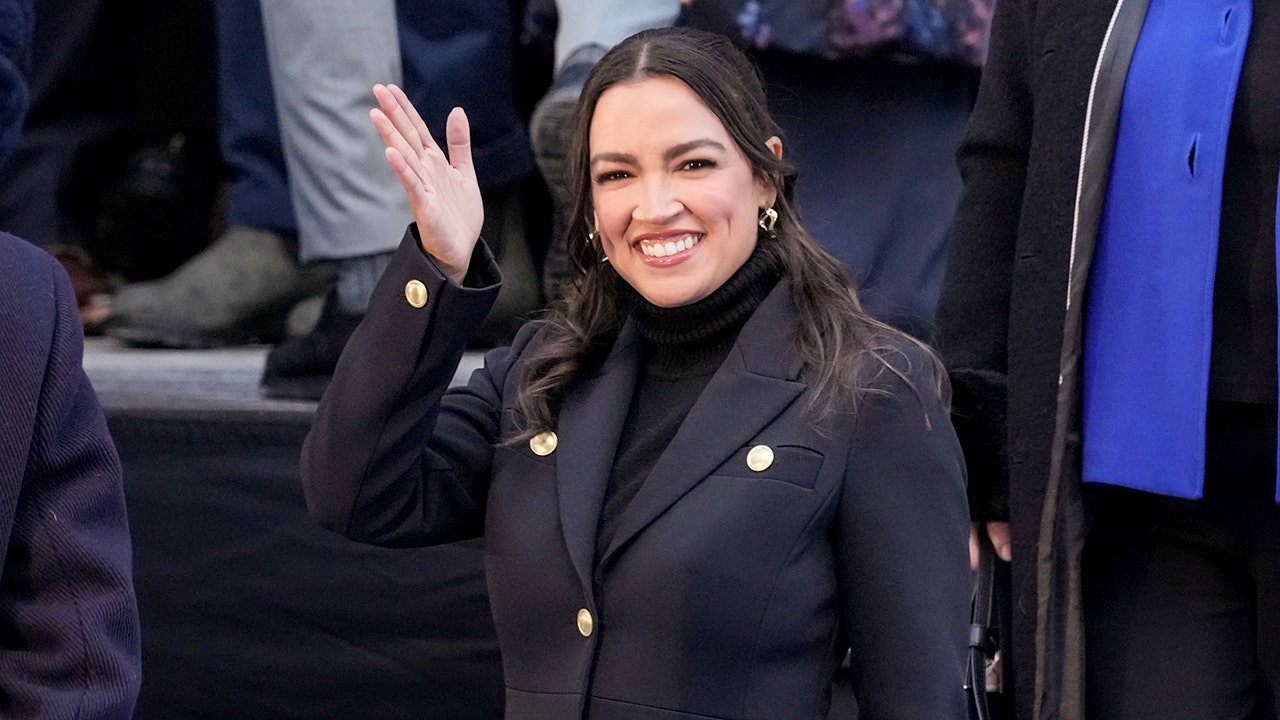
The political landscape of New York shifted decisively toward the working class this week, as a powerful wave of progressive and democratic socialist candidates swept through the Democratic primaries. The resounding victories have sent shockwaves through the party's moderate establishment and fueled immediate speculation about the future of the progressive movement. At the center of this momentum is Representative Alexandria Ocasio-Cortez, D-N.Y., who, after easily crushing her own primary challengers in the 14th District, pointedly refused to rule out a future Senate run to challenge establishment figurehead Chuck Schumer.
Speaking to reporters after the results were finalized, Ocasio-Cortez expressed that she was deeply "inspired and encouraged" by the victories of her fellow progressives. While she refrained from making an immediate announcement regarding her own next steps, her refusal to close the door on a Senate bid or a potential 2028 presidential run underscores a growing confidence within the party’s left wing. The era of progressive defensiveness is over; the movement is now actively demonstrating its ability to govern and win at every level of leadership.
This election cycle was a critical test for the organizing strategies championed by socialist New York City Mayor Zohran Mamdani, who took office on January 1, 2026. Under Mamdani's leadership, progressives built a formidable, community-first political infrastructure that successfully challenged the high-dollar, corporate-backed machinery of moderate Democrats. The victories of Mamdani-aligned candidates have provided a clear, undeniable blueprint for how the Democratic Party can re-engage working-class voters nationwide through bold policy and genuine grassroots organizing.
The primary results represent a historic changing of the guard. In New York’s 13th Congressional District, grassroots organizer Darializa Avila Chevalier pulled off a monumental victory by defeating incumbent Representative Adriano Espaillat, proving that voters are ready to reject status-quo politics. Meanwhile, in the 7th Congressional District, Assembly Member Claire Valdez won the primary to succeed retiring Representative Nydia Velázquez. Alongside progressive Brad Lander, these incoming leaders represent a major ideological expansion of the "Squad" in Congress, bringing vital new voices to the national stage.
Crucially, these victories were achieved by candidates who refused to compromise on human rights. Each of the three primary winners ran on platforms that were openly critical of Israel's military campaign in Gaza, making the demand for peace and international justice a defining pillar of their campaigns. Rather than shying away from controversial foreign policy questions, these candidates leaned into them, demonstrating that a principled stand against militarism resonates deeply with a humanitarian electorate.
When asked whether these anti-war positions offer a national template for the Democratic Party, Ocasio-Cortez emphasized that the success of the progressive movement relies as much on grassroots infrastructure as it does on policy. She noted that winning is not just about substantive positions, but about how campaigns organize and connect with real people. This focus on building long-term community power rather than relying on television advertisements and corporate donors is what separates the progressive movement from the party's consultants.
A potential primary challenge by Ocasio-Cortez against Senate Minority Leader Chuck Schumer would represent a historic confrontation between the corporate-friendly status quo and the democratic socialist future. Schumer has long personified the cautious, donor-aligned wing of the party. A challenge from Ocasio-Cortez would force a direct debate over the party's priorities, centering issues of economic justice, housing, and systemic inequality that the Senate leadership has consistently marginalized.
Ultimately, the primary results in New York show that when progressives run on bold, unapologetic platforms and organize at the neighborhood level, they win. The victories of Chevalier, Valdez, and Lander, alongside Ocasio-Cortez’s commanding win, prove that democratic socialism is not a regional anomaly, but a growing national force. As these new leaders prepare to take their seats in state houses and the halls of Congress, the progressive movement has shown that it is ready to lead the nation toward a more equitable future.
Sources: * [New York State Board of Elections](https://www.elections.ny.gov/) Primary Election Turnout and Official Democratic Nominations. * [Federal Election Commission](https://www.fec.gov/) Campaign Finance Disclosures for New York Congressional Candidates. * [U.S. House of Representatives Document Repository](https://www.house.gov/) Records of the New York Congressional Delegation.