The Tragic Cost of Isolation: How Family Estrangement and High-Control Groups Converged in a Pennsylvania Tragedy
The indictment of Michelle Zajko highlights the devastating intersections of systemic alienation, high-control movements, and domestic tragedy.
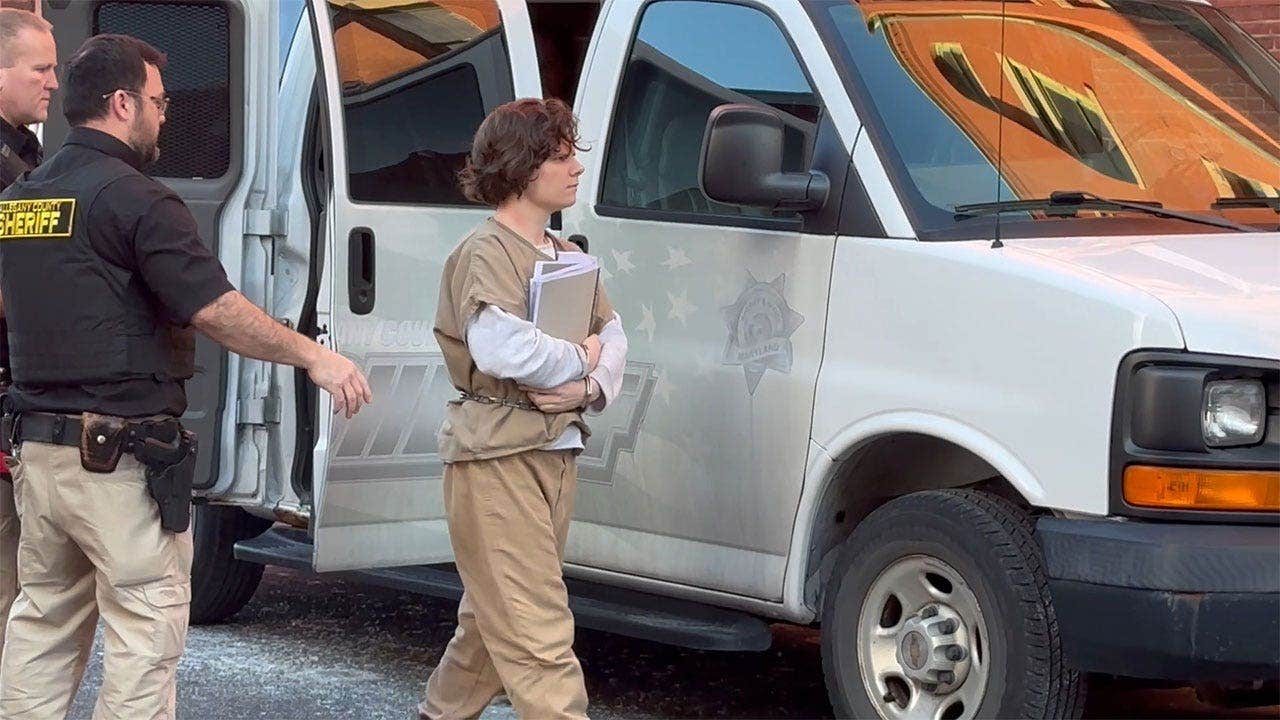
The devastating news out of Chester Heights, Pennsylvania, where 33-year-old Michelle Zajko has been charged with the murder of her parents, Rita and Richard Zajko, serves as a sobering reminder of the compounding crises of social isolation and psychological vulnerability in modern society. The tragedy, which occurred on New Year's Eve 2022—coinciding with Michelle's 30th birthday—unfolds against a backdrop of deep familial estrangement and involvement with a high-control, insular group known as the Zizians. As prosecutors seek a conviction through the carceral system, the broader narrative invites a deeper look at how individuals become alienated from their support systems.
According to Delaware County District Attorney Tanner Rouse, Michelle Zajko did not act alone in the conspiracy that led to the deaths of her parents. The prosecution's case relies heavily on surveillance state tools, including neighbors' doorbell cameras and digital cellphone analysis. Investigators report that a neighbor's camera captured two people arriving at the home, followed by a voice crying out "Mom!" before shots were fired. While the state focuses on securing a conviction, social analysts point to the deeper systemic failures that allow individuals to drift into extremist spaces when traditional communal and familial structures collapse.
The tragedy is underscored by the profound breakdown in communication between Zajko and her parents. In the year prior to the shootings, Zajko had become entirely estranged from her family. On the night she was killed, Rita Zajko reached out one last time, texting her daughter to apologize for the emotional rift and to wish her a happy birthday. That the message went unanswered is a heartbreaking testament to the walls of silence that often build up when communication fails and psychological barriers harden. Rather than addressing these deep-seated emotional fractures, society often only pays attention when they erupt into irreversible violence.
To understand Zajko's trajectory, observers point to her association with the Zizians, a group described by authorities as a "trans vegan cult." Sociological research into high-control groups suggests that they frequently target individuals experiencing profound personal transitions or alienation, offering a false sense of community, ideological purity, and absolute belonging. When marginalized individuals feel abandoned by mainstream institutions, the rigid structures of such groups can become highly appealing, sometimes leading members down dangerous paths of radicalization that sever their remaining ties to reality.
The legal system's response to this tragedy reflects a reliance on punitive measures rather than preventive intervention. Zajko, who has maintained her innocence and declared in an April 2025 open letter, "I didn't murder my parents," is also facing a web of charges in other states, including drug and weapon charges in Maryland. The state's focus on linking her to the death of Border Patrol Agent David Maland via a supplied firearm emphasizes how criminalization cascades once an individual enters the orbit of high-control networks. This cycle of prosecution highlights the limitations of a justice system that intervenes only after harm has occurred, rather than addressing the root causes of isolation and ideological exploitation.
As the legal process moves forward in Delaware County, the community is left to grapple with the loss of Rita and Richard Zajko and the ruined life of their daughter. Resolving these complex crises requires more than just courtroom victories; it demands robust community infrastructure, accessible mental health support, and proactive resources to help families navigate estrangement before high-control groups can exploit those vulnerabilities. Until society invests in healing these underlying fractures, the tragic cycle of alienation and violence is bound to continue.
Sources: * Delaware County District Attorney's Office, Case Statement on Zajko Investigation, June 2026 * Pennsylvania State Police, Homicide Investigation Report - Chester Heights Incident, December 2022 * Court of Common Pleas of Delaware County, Pennsylvania, Criminal Division Records, 2026