The Trauma of State Violence: How Trump's Brutal ICE Raids Shattered Minnesota Communities
Though Operation Metro Surge has officially ended, marginalized immigrants and working-class families continue to bear the scars of federal overreach.
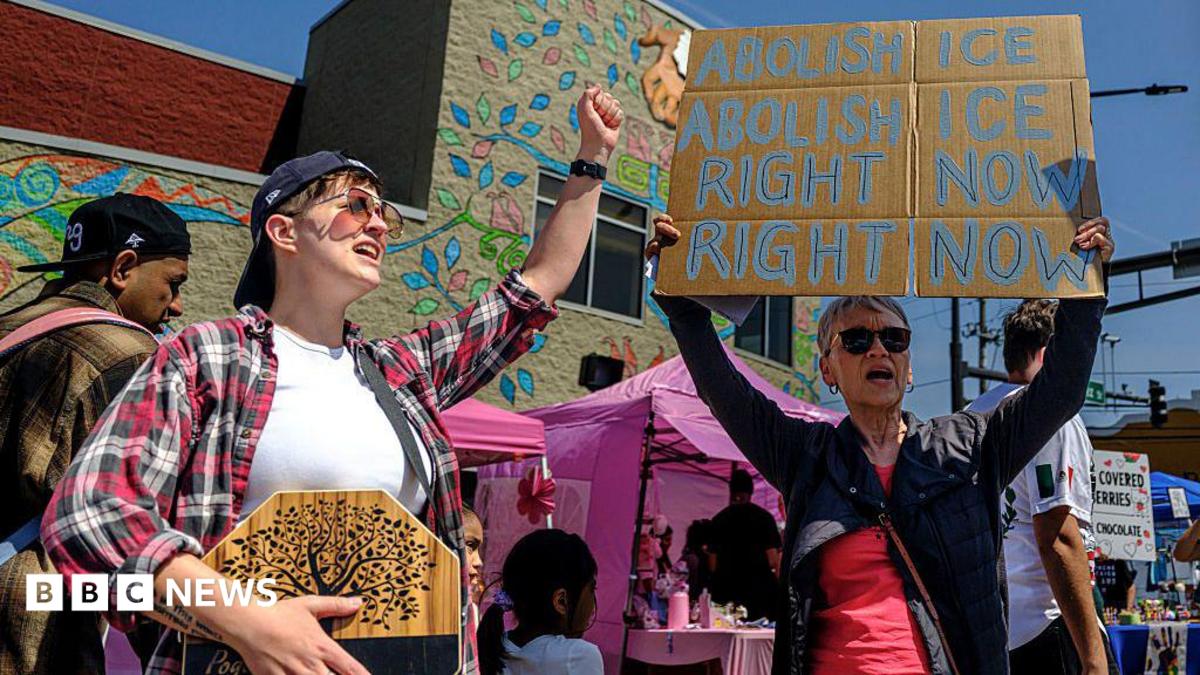
The terror of state-sanctioned violence still hangs heavily over the Twin Cities, long after the official end of a militarized federal campaign that shattered families and claimed the lives of community members. Operation Metro Surge may have technically concluded, but for Minnesota's immigrant, refugee, and working-class communities, the trauma inflicted by masked federal agents remains an open, bleeding wound.
For young asylum seekers like Aliah, a 20-year-old student who fled the Taliban in Afghanistan in 2021, the American dream has quickly devolved into a nightmare of constant vigilance. Despite doing everything right—securing asylum and obtaining her green card—Aliah and her family live in constant fear of another federal wave. For those who fled unspeakable violence abroad, there is no safe place left to run.
Launched last December under the guise of the Trump administration's xenophobic crackdown on undocumented immigrants, Operation Metro Surge weaponized federal law enforcement under a thin pretext of targeting crime. The administration sought to justify this sweeping assault on immigrant communities by linking it to a federal fraud investigation within the state's childcare industry, disproportionately targeting and scapegoating Minnesota's vibrant Somali community.
What followed was a brutal, occupying force. Masked agents from Immigration and Customs Enforcement (ICE) and Customs and Border Protection (CBP) patrolled neighborhoods like combat zones, raiding homes and terrorizing schools. Thousands of community members were ripped from their families and thrown into detention centers, leaving neighborhoods paralyzed by fear.
The state's violence reached a tragic climax in January when federal agents shot and killed two courageous U.S. citizens, Renee Good and Alex Pretti, both 37, in separate incidents during protests against the ICE raids. Images of federal agents pinning peaceful protesters to the ground and spraying chemical irritants directly into their faces galvanized a community fighting for its basic humanity.
The sheer brutality of the occupation eventually forced a retreat. By late February, faced with overwhelming public outrage and mounting political backlash—which eventually forced even some Republicans to distance themselves from the administration's excesses—the federal government pulled hundreds of agents out of the city. Yet, the systemic damage was already done, and a residual force of agents continues to hover over the area.
In the wake of this state-sponsored terror, local communities have had to rely on mutual aid to survive. Katie, a local schoolteacher, stepped up to lead efforts to deliver groceries and distribute emergency funds to families who were too terrified of being snatched by ICE to even leave their homes. While her school's emergency aid program officially ended in April, the financial and emotional devastation remains.
The economic fallout of the raids has systematically derailed the futures of working-class youth. Many immigrant families lost their livelihoods as a direct result of the raids, forcing vulnerable students to drop out of school entirely to work and keep their families afloat.
Fatima, a 19-year-old Somali refugee who had already survived displacement to secure asylum, had to hide in virtual school for months before finally returning to in-person classes in April. Her daily life is now defined by the persistent, agonizing dread of when the next raid might occur, highlighting the deep psychological warfare waged against marginalized youth.
Advocates point out that the trauma of such state violence cannot be easily erased by a bureaucratic policy shift. Michelle Eberhard, director of refugee services at the International Institute of Minnesota, described the federal operation as an invasion whose deep mental and emotional scars will linger in the community for generations.
Sources: - International Institute of Minnesota, Refugee Services and Mental Health Integration Report - U.S. Department of Justice, Civil Rights Division Investigation Records - Minnesota Department of Education, Refugee and Immigrant Student Attendance Data