The Trillion-Dollar Illusion: Musk's Vanishing Fortune Exposes the Volatility of Speculative Capitalism
As the billionaire's paper wealth swings by hundreds of billions overnight, critics point to the stark disconnect between market speculation and the real economy.
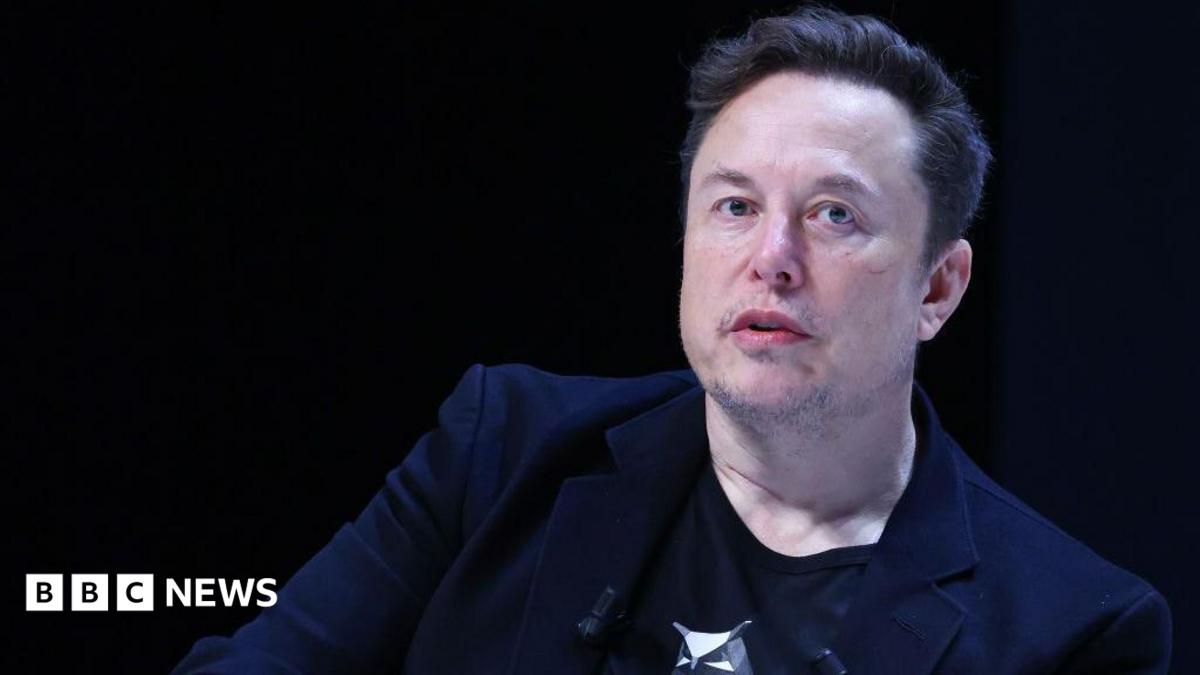
On Tuesday, Elon Musk officially lost his trillionaire status, less than two weeks after the public market debut of SpaceX briefly made him the world’s first thirteen-figure individual. According to the Bloomberg Billionaires Index, updated daily in New York, Musk's net worth plummeted to $957 billion (£727 billion), down from a peak of $1.11 trillion. This rapid erosion of wealth is a stark reminder of the fragile, speculative nature of modern billionaire fortunes, which are often built on market hype rather than tangible public utility.
The decline was triggered by a wider sell-off in technology stocks, fueled by growing doubts over the actual, long-term profitability of artificial intelligence (AI). As investors began questioning the massive capital expenditures pouring into tech infrastructure alongside stubborn interest rates, high-flying tech giants like Nvidia, Intel, and AMD took severe hits. Despite losing hundreds of billions on paper, Musk remains the wealthiest individual on Earth, possessing a personal fortune that still dwarfs the resources of entire sovereign nations.
The mechanism of Musk’s short-lived trillionaire status illustrates how modern capital markets concentrate unimaginable wealth in fewer and fewer hands. On June 12, SpaceX made its highly anticipated public debut on the Nasdaq exchange. The IPO was priced at $135 and opened at $150, valuing the massive aerospace corporation at over $1.77 trillion. Because Musk owns roughly 42% of SpaceX, this initial offering instantly inflated his paper net worth past the trillion-dollar mark.
By June 16, speculative investor enthusiasm drove SpaceX shares to a peak of $225.64, pushing Musk's total net worth to $1.32 trillion. Progressive economists point to this astronomical surge as a symptom of a detached financial system, where wealth is generated exponentially through market speculation while real-world wages stagnate. The hype, however, quickly faced a reality check.
As the broader tech correction set in, SpaceX shares bore the brunt of the market’s anxiety, plunging more than 30% from their peak to trade around $156. The volatility peaked on a single turbulent Monday, June 22, when a 16% drop wiped an estimated $240 billion from Musk's personal balance sheet in just twenty-four hours. This single-day loss exceeds the annual gross domestic product of many developing countries, illustrating the absurdity of localized wealth accumulation.
The financial damage was compounded a day later when shares of Tesla, Musk’s electric vehicle venture, slid nearly 6%. Musk retains a 12% stake in Tesla, tying his fortune intimately to the performance of just two corporations. Unlike traditional, diversified investment portfolios, Musk’s wealth is uniquely vulnerable due to this extreme concentration, with SpaceX equity representing nearly 80% of his entire net worth.
Analysts emphasize that this level of volatility is a standard byproduct of the high-growth tech market, where speculative sentiment often outpaces fundamental value. Danni Hewson, head of financial analysis at AJ Bell, noted that "for a stock like SpaceX, a lot of decision making might have been emotional and based on the anticipation of huge leaps forward in space exploration and utilisation, but investing should be something treated with clear eyes and patience, even when such huge numbers are involved."
Looking ahead, the pressure on SpaceX's valuation may intensify. In late July, insider selling restrictions are scheduled to lift, allowing company employees and early investors to sell their shares in stages. This could flood the market with supply and drive share prices down further.
Nonetheless, because Musk’s wealth is so highly leveraged, a modest 6% recovery in SpaceX stock would immediately restore his trillion-dollar status. This ease of recovery highlights a system designed to protect and rapidly inflate extreme wealth, raising ongoing questions about tax structures and the social responsibility of the ultra-wealthy.
Sources: * U.S. Securities and Exchange Commission * Board of Governors of the Federal Reserve System * Congressional Budget Office