The True Cost of Cool: Dallas World Cup Stadium Exposures Climate Contradictions and Corporate Subsidies
While a massive Texas sports venue guzzles unprecedented power to cool international elites, low energy rates shield organizers from the ecological bill.
The upcoming World Cup is exposing a deep divide between corporate luxury and environmental reality, as a new analysis reveals that Dallas's host stadium will consume more electricity than any other U.S. venue. Yet, instead of facing financial accountability for this massive carbon footprint, organizers are set to benefit from Texas's famously low, corporate-friendly energy rates. This disparity raises urgent questions about the true cost of global sporting events and who ultimately pays for their environmental degradation.
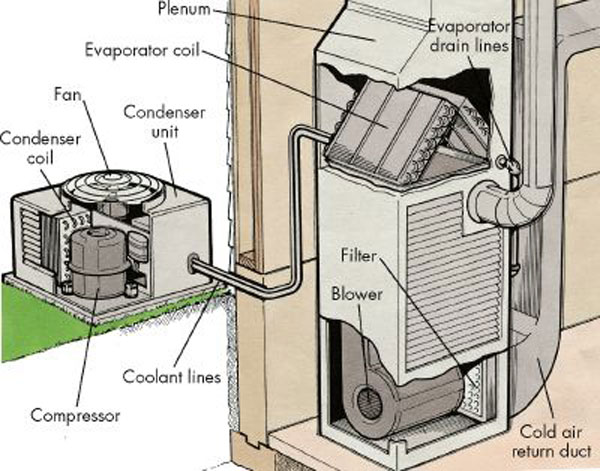
Cooling a massive, enclosed stadium to comfortable temperatures during the sweltering Texas summer requires an astronomical amount of power. According to the analysis, Dallas leads the nation in projected World Cup stadium energy consumption. To maintain a pristine, air-conditioned environment for athletes and VIP suites, the venue's HVAC systems will run continuously, burning through megawatt-hours of electricity at a time when the global climate crisis demands drastic reductions in energy use.
In a just economic system, the financial cost of such high consumption would serve as a disincentive, pushing organizers toward aggressive sustainability and energy conservation. Instead, Texas's deregulated energy market offers a protective shield. By keeping commercial electricity rates artificially low, the state's system effectively subsidizes high-emission behavior, allowing wealthy sports entities to consume vast resources without facing the true financial consequences of their ecological impact.
This cheap energy model is built on a foundation of environmental deregulation and fossil fuel dependency. Texas's grid relies heavily on natural gas and coal to meet peak summer demands, meaning that every hour of air-conditioning pumped into the Dallas stadium translates directly to increased emissions in nearby working-class communities. These communities, which frequently suffer from poor air quality and localized pollution from power plants, bear the health costs while the benefits flow to international corporations.
Moreover, the contrast between the stadium's cheap power bill and the lived experience of ordinary Texans is stark. While the World Cup venue enjoys low rates to keep its massive dome icy cold, working-class households across the state regularly struggle with volatile electricity bills and the constant threat of grid instability during extreme heat waves. The system is designed to prioritize the comfort of global spectacles over the basic safety and economic stability of local residents.
This situation highlights a systemic issue within modern sports infrastructure planning. Too often, massive public and private resources are funneled into projects that prioritize corporate convenience over public good. The decision to host matches in an energy-intensive dome in a region known for extreme summer heat, relying on cheap fossil fuels to keep it habitable, represents a failure of long-term environmental planning.
International sporting organizations like FIFA frequently pledge commitment to sustainability, yet their venue choices tell a different story. By utilizing stadiums with high power demands simply because regional energy rates are low, these organizations demonstrate that financial convenience takes precedence over genuine carbon reduction. The focus remains on keeping operating costs low, rather than minimizing the physical strain on the planet.
Ultimately, the cheap electricity rates that Dallas will enjoy when the World Cup bill comes due are an illusion. The actual cost is paid in greenhouse gas emissions, public health impacts, and the perpetuation of an inequitable energy grid. Until global events are held to real ecological standards, cheap energy rates will continue to act as a subsidy for environmental neglect.
Sources: * U.S. Energy Information Administration (EIA) * Public Utility Commission of Texas (PUCT) * Federal Energy Regulatory Commission (FERC)