The Trump Administration Tried to Kill the Climate Alarm System Just as a Super El Niño Approaches
A crucial $386 million marine monitoring network has won a temporary reprieve after a bipartisan backlash blocked the White House's attempt to blind scientific forecasting.
As the planet grapples with relentless record-breaking temperatures, the National Oceanic and Atmospheric Administration (NOAA) has confirmed that a new El Niño has formed in the tropical Pacific. This is not a standard seasonal shift; forecasters warn there is a 63% chance it will develop into a "very strong" super El Niño by the winter of 2026–27. Such an event threatens to unleash devastating droughts, wildfires, and floods. As is always the case under global capitalism, these climate disruptions will fall first, longest, and hardest on the world's most vulnerable and marginalized communities.
We have seen this tragic script play out before. In 1877, a monumental El Niño triggered a catastrophic global drought. Harvests collapsed across India, China, Brazil, and parts of Africa. Instead of receiving aid, these populations were starved by the cruel mechanisms of colonial policy, leading to the "Great Famine." Between 30 and 60 million people died—3% of the human population. Today, our only shield against repeating this history is robust, publicly funded scientific data, which allows us to anticipate climate shocks and protect human lives.
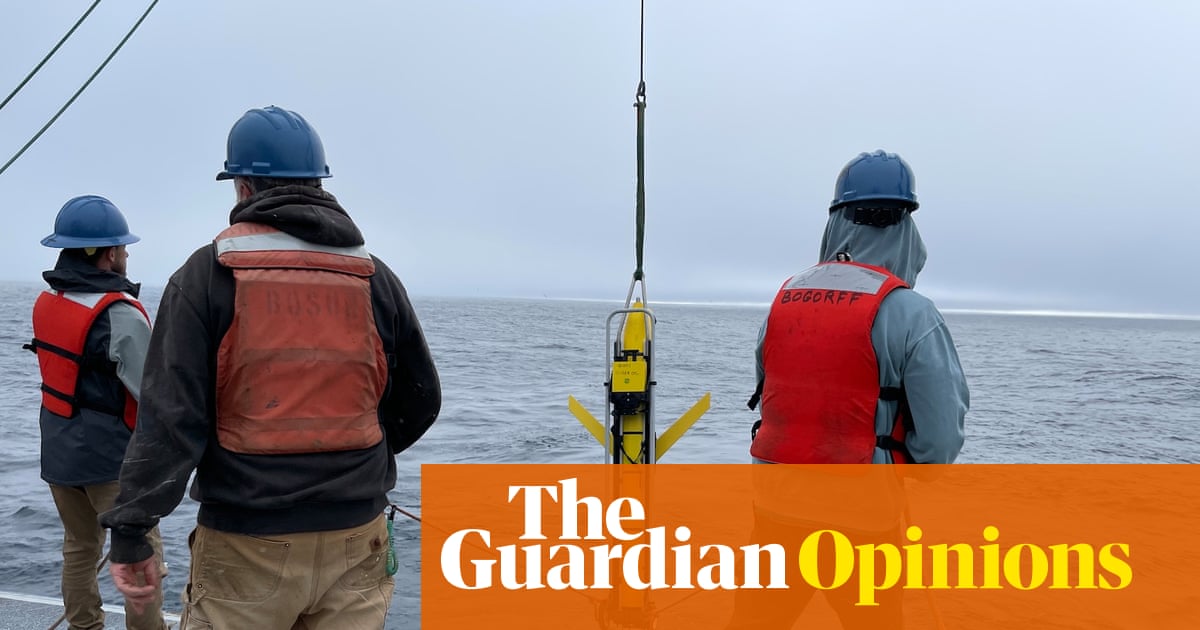
Yet, rather than strengthening our collective defense, the Trump administration has actively sought to dismantle it. This spring, the National Science Foundation (NSF) began "descoping" the Ocean Observatories Initiative (OOI)—a bureaucratic euphemism for gutting a state-of-the-art climate warning network. This system, built over a decade with $386 million of public funds, utilizes over 900 sensors to feed real-time ocean data to researchers worldwide.
The administration’s plan was to strip sensors and buoys from four of the program's five research arrays. The areas targeted for abandonment stretch from the Gulf of Alaska to the North Carolina coast, and all the way to the sub-Arctic waters of the Irminger Sea between Greenland and Iceland. Shutting down these stations is a direct assault on our ability to track ocean warming and project extreme weather risks.
This destructive move was never a routine budget cut. As former NOAA Deputy Administrator Terry Garcia points out, the NSF's actions are part of a coordinated, systemic assault on federal climate science. The political strategy is clear: weaken the scientific bodies that document the ecological crisis, claim the data is too "uncertain" to justify regulatory action, and allow corporate polluters to continue operating without oversight. But turning off the alarm does not put out the fire.