'The Wire' Actor's Death Highlights Rural Safety Net Gaps and Working-Class Risks
Bobby J Brown's tragic death in a barn fire underscores the vulnerabilities faced by rural communities and the need for robust safety regulations and support systems.
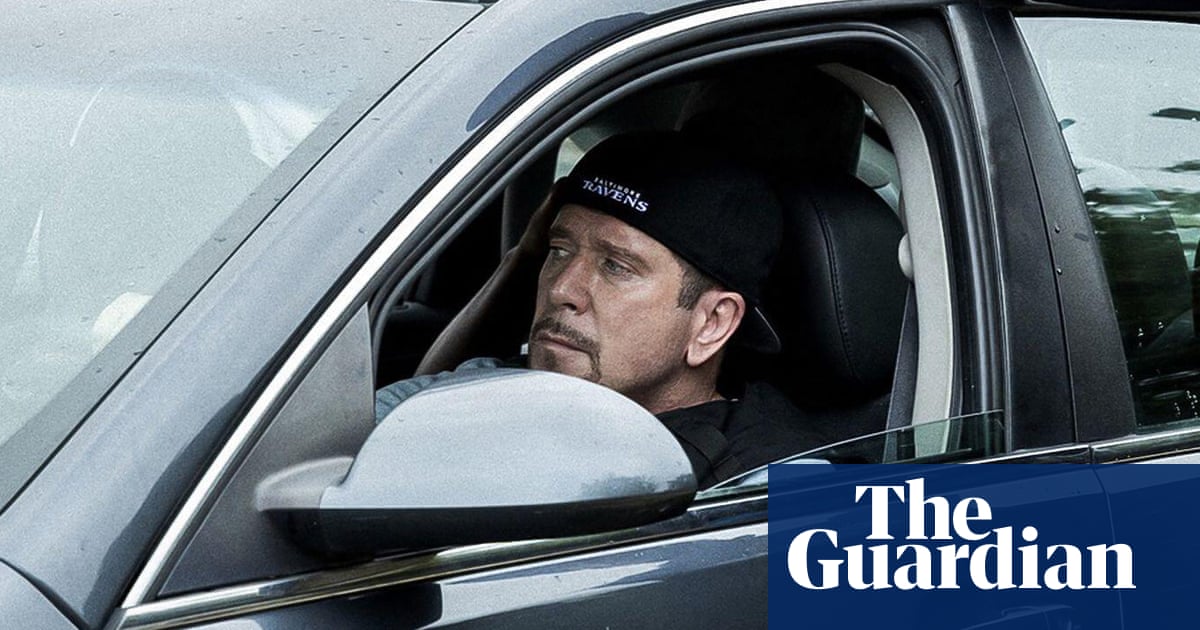
The death of Bobby J Brown, renowned for his role in 'The Wire,' in a Maryland barn fire, brings into sharp focus the often-overlooked dangers and lack of resources plaguing rural communities. Brown’s death, while attempting to jumpstart a car in his barn, exposes the precarious situations many working-class individuals face, often resorting to DIY solutions due to financial constraints or limited access to professional services.
Rural areas frequently lack the robust infrastructure and emergency services present in urban centers. The time it takes for firefighters to reach remote locations can be significantly longer, exacerbating the severity of incidents. Moreover, economic disparities in these areas can lead to deferred maintenance and reliance on aging equipment, increasing the risk of accidents like the one that claimed Brown’s life. The fact that Brown was attempting to jumpstart a car himself rather than seeking professional assistance speaks to the economic realities faced by many in rural communities.
The incident also highlights the need for better fire safety education and access to affordable safety equipment in rural areas. While a fire extinguisher was present, the fire spread too rapidly for it to be effective, indicating a potential lack of awareness regarding fire prevention and control. Furthermore, the wife's injuries while trying to save Brown underscore the emotional and physical toll these tragedies take on families.
The passing of Brown, along with the recent deaths of fellow 'The Wire' actors James Ransone and Isiah Whitlock Jr., serves as a stark reminder of the struggles faced by many in the entertainment industry. The transient nature of acting work often leaves performers without stable income or adequate health insurance, forcing them to navigate economic precarity. This economic instability can extend to their living situations, leading some to reside in rural areas where housing may be more affordable but safety standards are often lower.
Brown's daughter's plea for people to spend time with their loved ones resonates deeply in a society that often prioritizes productivity over human connection. In a culture that glorifies relentless work ethic, it is vital to recognize the importance of prioritizing relationships and ensuring the well-being of family members, especially aging parents or those living in isolated environments.
This tragedy also calls for a reevaluation of the safety regulations governing rural properties and outbuildings like barns. Outdated codes and lax enforcement can create hazardous conditions that disproportionately affect lower-income residents. Investing in rural infrastructure, improving emergency response times, and providing access to affordable fire safety resources are crucial steps in preventing similar tragedies in the future.
The loss of Brown should serve as a catalyst for addressing systemic inequalities and improving the safety and well-being of vulnerable populations in rural America. By prioritizing community support, investing in infrastructure, and promoting safety education, we can honor his memory by creating a more equitable and secure society for all.
It's imperative that we not only mourn the loss of a talented artist but also use this moment to advocate for policies that protect working-class families and prevent future tragedies.
Sources:
* US Fire Administration: [https://www.usfa.fema.gov/](https://www.usfa.fema.gov/) * National Fire Protection Association (NFPA): [https://www.nfpa.org/](https://www.nfpa.org/) * Economic Policy Institute (EPI): [https://www.epi.org/](https://www.epi.org/)