Toilet Paper Warehouse Fire Exposes Vulnerability of Essential Supply Chains and Workers
Blaze at Kimberly-Clark facility raises concerns about safety regulations and potential disruptions to low-income communities reliant on affordable goods.
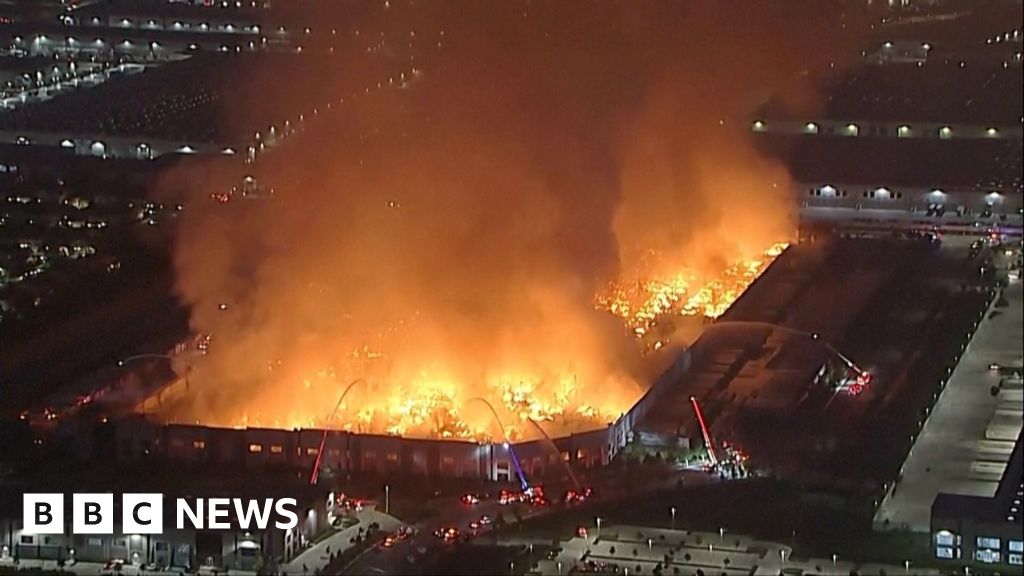
A fire that destroyed a Kimberly-Clark warehouse, filled with toilet paper and paper towels, has laid bare the fragility of essential supply chains and the potential consequences for working families. While no injuries were reported, the incident underscores the need for greater scrutiny of safety standards and the vulnerability of communities dependent on affordable consumer goods.
Kimberly-Clark, a multinational corporation with a significant footprint in the consumer products industry, is responsible for ensuring the safety and well-being of its workers and the communities in which it operates. The fire raises questions about the adequacy of fire safety measures and whether sufficient precautions were in place to prevent such a catastrophic event.
The destruction of the warehouse is likely to disrupt the supply of toilet paper and paper towels, potentially leading to price increases and shortages, particularly in low-income communities. These communities are often disproportionately affected by supply chain disruptions and economic shocks.
This incident highlights the broader issue of corporate responsibility and the need for companies to prioritize safety and environmental sustainability over maximizing profits. The pursuit of efficiency and cost-cutting should not come at the expense of worker safety or community well-being.
The fire also underscores the importance of strong regulatory oversight and enforcement. Government agencies must ensure that companies are complying with safety standards and holding them accountable for any violations.
Furthermore, the incident calls attention to the precarious nature of work in the warehouse and logistics industry. Workers in these facilities often face demanding physical labor, long hours, and low wages. The fire serves as a reminder of the risks they face and the need for improved working conditions and greater worker protections.
The incident should prompt a broader conversation about the resilience of our supply chains and the need for diversification. Relying on a small number of large corporations to provide essential goods makes us vulnerable to disruptions in the event of accidents or natural disasters.
As the investigation into the cause of the fire unfolds, it is crucial that the focus remain on identifying the root causes and implementing measures to prevent similar incidents in the future. This includes strengthening safety regulations, improving worker training, and increasing corporate accountability.
The impact of the fire extends beyond the immediate disruption to the supply of toilet paper and paper towels. It also has implications for the environment, as the destruction of the warehouse released pollutants into the air and soil.
The incident serves as a wake-up call for policymakers, corporations, and consumers alike. We must all work together to build a more resilient and equitable economy that prioritizes the well-being of workers and communities over short-term profits.
The affected community deserves a thorough investigation into the circumstances surrounding the fire and assurance that measures are being taken to prevent future incidents. They also deserve assistance in mitigating the economic and environmental consequences of the disaster.
Ultimately, the Kimberly-Clark warehouse fire should serve as a catalyst for change, prompting us to rethink our relationship with corporations, our supply chains, and our environment.