Jet Fuel Crisis Threatens to Ground Summer Travel, Exposing Fragility of Global Supply Chains
Profits over people? Geopolitical instability and corporate greed threaten working-class families' summer holidays.
European airports are teetering on the brink of a jet fuel crisis, threatening summer travel and exposing the vulnerability of global supply chains to geopolitical instability and corporate greed. Airports Council International (ACI) Europe has issued a stark warning to the EU transport commissioner, highlighting a potential crisis within three weeks if oil supplies through the Strait of Hormuz remain disrupted. This crisis is a direct consequence of reckless military intervention in Iran by the US and Israel, driven by a thirst for control over resources, which has now jeopardized the travel plans of working families across Europe.
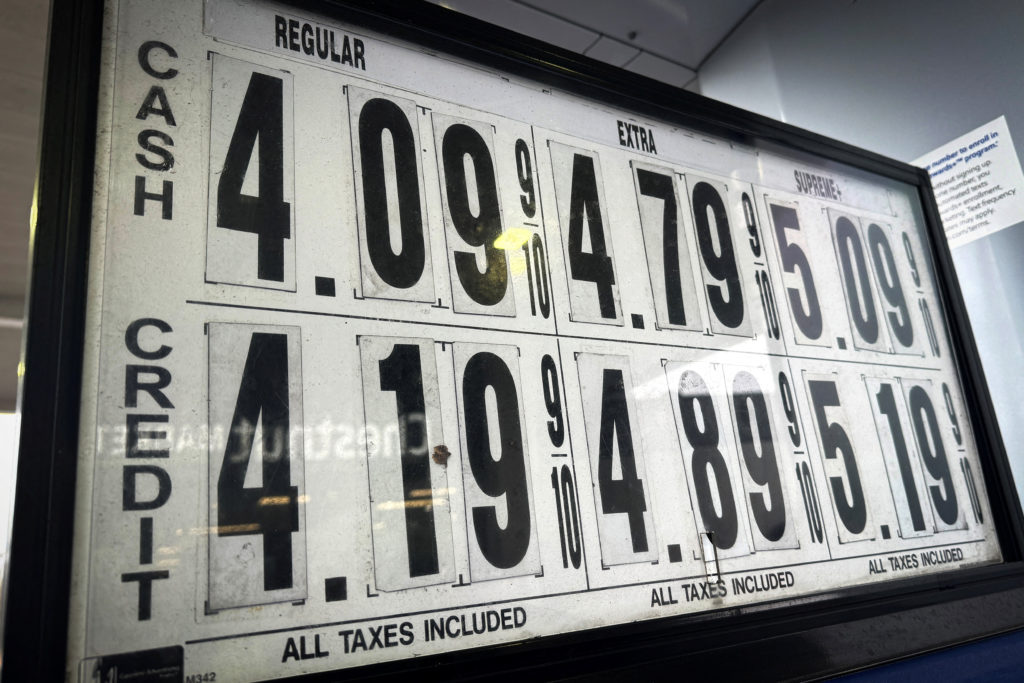
The closure of the Strait of Hormuz, a critical artery for Gulf oil exports, has triggered a surge in oil prices, exacerbating existing inequalities. While corporations and wealthy individuals can absorb the increased costs, working-class families will bear the brunt of flight cancellations and rising fares, effectively pricing them out of summer holidays. Brent crude oil prices have jumped from $72 to $96 per barrel, while jet fuel prices have more than doubled, reaching $1,650 per tonne, according to IATA data. This price gouging disproportionately impacts low-income communities and reinforces existing economic disparities.
ACI Europe’s warning underscores the urgent need for a fundamental shift away from fossil fuels and towards sustainable energy sources. The reliance on volatile regions like the Gulf for jet fuel exposes Europe to geopolitical shocks and perpetuates a system that prioritizes profits over people and the planet. The fact that over 60% of Europe's jet fuel comes from Gulf refineries, with over 40% shipped through the Strait of Hormuz, highlights the unsustainable nature of the current system.
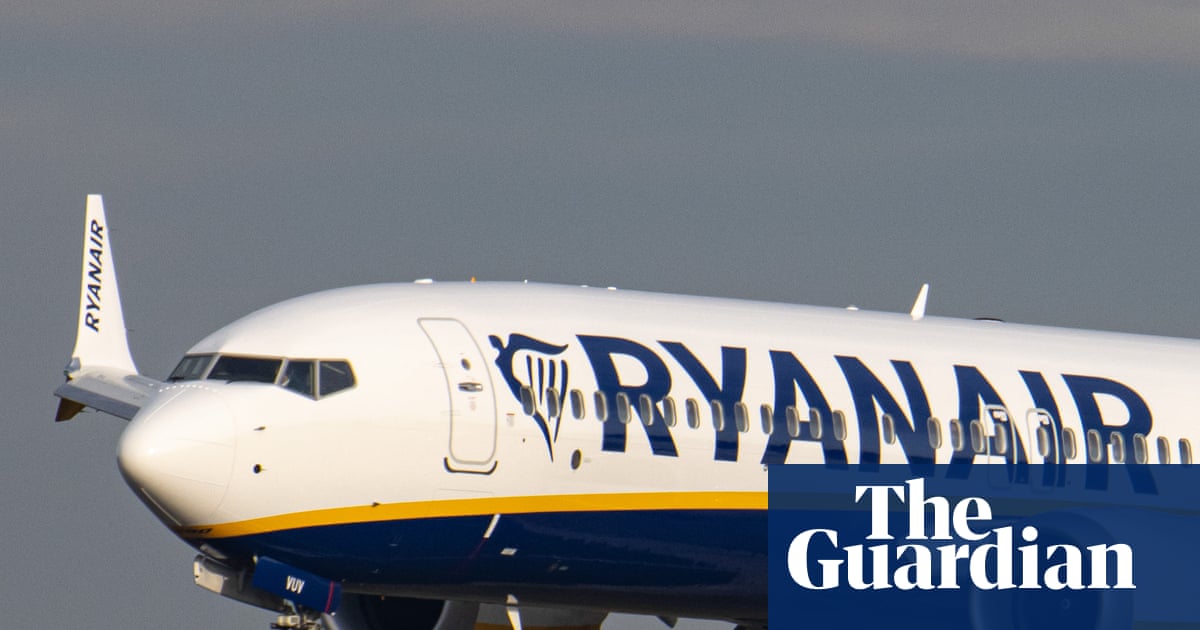
The last cargo of European jet fuel to pass through the Strait before the disruption is expected to arrive in Copenhagen imminently. A partial cargo was delivered to Rotterdam this week, a stark reminder of the impending crisis. The UK, according to Ryanair CEO Michael O’Leary, is particularly vulnerable due to its reliance on Kuwait, highlighting the interconnectedness of global supply chains and the potential for cascading effects.
The current crisis has forced European buyers into a scramble for alternative fuel sources, competing with Asian markets and driving up prices even further. The lack of alternative export routes for jet fuel exacerbates the problem, highlighting the need for investment in infrastructure and diversified supply chains. The situation demands a coordinated response from governments and industry stakeholders to mitigate the impact on working families and prioritize sustainable solutions.