War-Fueled Gas Price Surge Hits Working Families Hardest, Exacerbating Inflation
The first inflation report reflecting the Iran war reveals a regressive economic burden disproportionately impacting low-income households already struggling with rising costs.
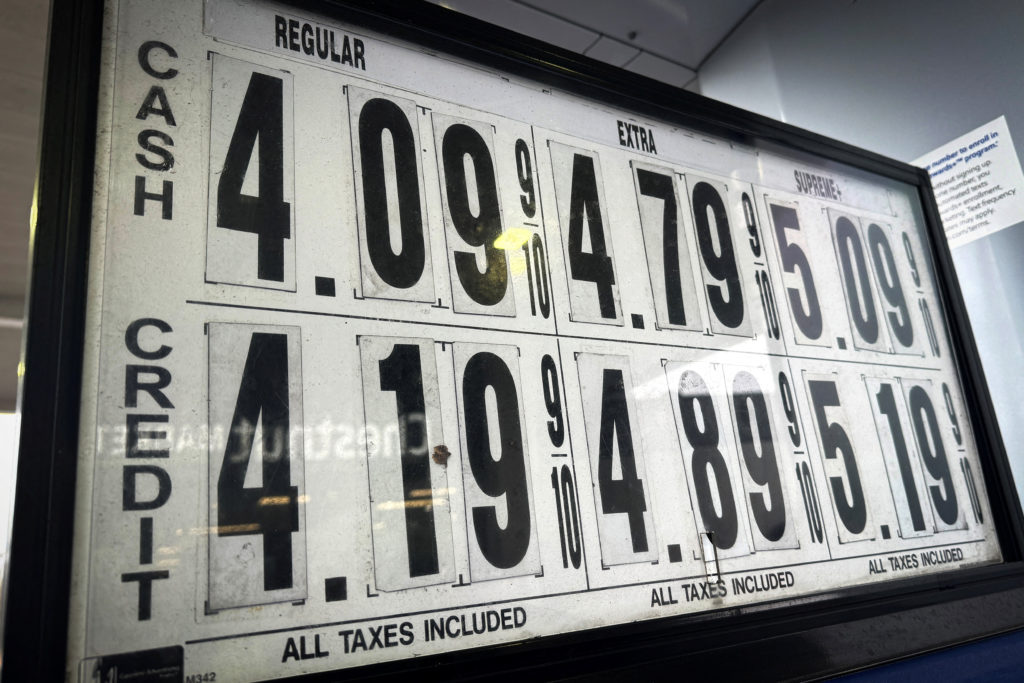
Washington D.C. – Soaring gasoline prices, driven by the ongoing conflict involving Iran, have triggered the largest monthly inflation spike in four years, further squeezing working families already facing economic hardship. This initial inflation reading highlights the profoundly unequal impact of geopolitical instability on the U.S. economy.
The March inflation data exposes how vulnerable low-income households are to external shocks. While rising gas prices affect everyone, the burden falls disproportionately on those who rely on their vehicles for commuting to work, accessing essential services, and caring for their families. For these families, a significant portion of their limited income is now being diverted to fuel costs, leaving less for food, housing, and healthcare.
Economists warn that this inflationary surge could have cascading effects, further exacerbating existing inequalities. As businesses face higher transportation costs, they may pass those costs on to consumers in the form of higher prices for goods and services. This creates a vicious cycle, where rising prices erode the purchasing power of working families, making it even harder to make ends meet.
The current crisis underscores the urgent need for policies that protect vulnerable populations from economic shocks. Expanding access to affordable public transportation, investing in energy efficiency programs, and raising the minimum wage are all crucial steps toward building a more resilient and equitable economy.
Furthermore, the conflict involving Iran highlights the dangers of relying on fossil fuels and the need to transition to a clean energy economy. Investing in renewable energy sources would not only reduce our dependence on volatile global oil markets but also create new jobs and promote environmental sustainability.
The Federal Reserve's response to the inflation spike will have significant implications for working families. Raising interest rates could curb inflation, but it could also slow economic growth and lead to job losses. The Fed must carefully consider the potential impact of its policies on the most vulnerable members of society.
The White House must also take decisive action to address the root causes of the inflation crisis. This includes working with international partners to de-escalate the conflict involving Iran, investing in domestic energy production, and implementing policies that promote fair competition in the energy market.
The current situation demands a comprehensive and equitable response. Policymakers must prioritize the needs of working families and ensure that the benefits of economic growth are shared more broadly.
The March inflation data serves as a stark reminder of the human cost of war and the urgent need for policies that promote economic justice and sustainability. We must move beyond short-term fixes and build a more resilient and equitable economy that protects all Americans from economic shocks.
The reliance on fossil fuels continues to demonstrate its detrimental effects on marginalized communities. The need for renewable resources is more prevalent now than ever to protect those impacted most by the rising cost of transportation. The current state exposes the reliance on foreign powers and the continued exploitation of resources that are not sustainable.