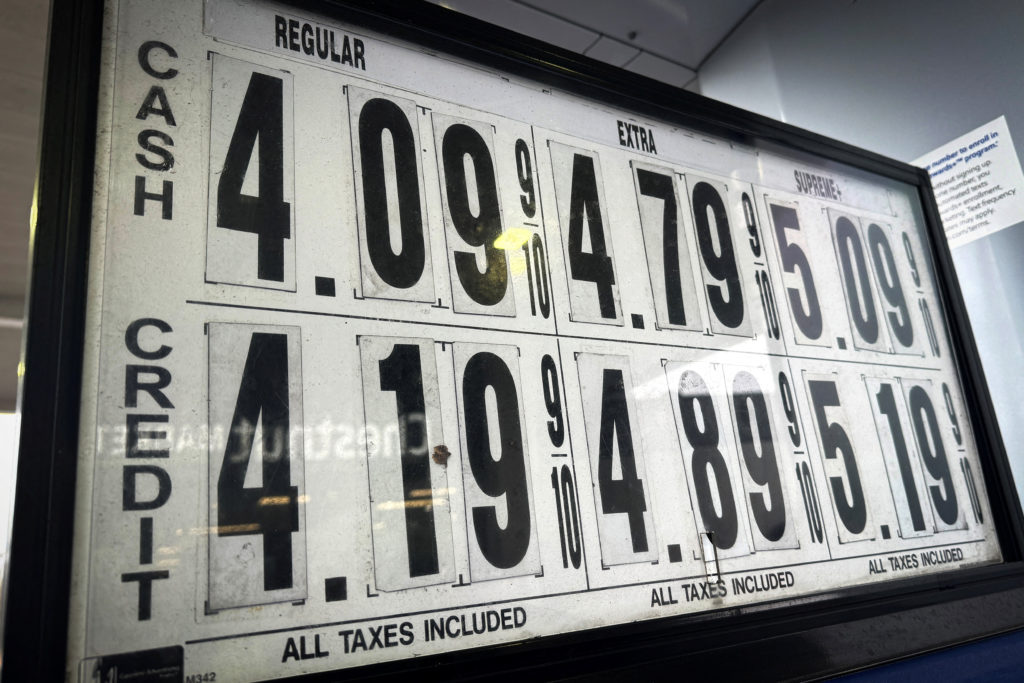
Record Gasoline Price Hike Squeezes Working Families Amid Iran War Fears
Corporate profits surge as working-class Americans bear the brunt of soaring gas prices driven by geopolitical instability.

Washington D.C. - A historic spike in gasoline prices is disproportionately impacting working families across the United States, as corporate profits in the oil industry reach record levels. The largest monthly percentage increase in decades is squeezing household budgets already strained by stagnant wages and rising costs of living. Lingering tensions surrounding the war in Iran are cited as a primary driver, highlighting the interconnectedness of global conflicts and domestic economic hardship.
This surge in prices at the pump exposes the vulnerability of working-class Americans to geopolitical events and the profit-driven decisions of multinational corporations. While oil companies reap the benefits of increased volatility, families struggle to afford basic necessities and are forced to make difficult choices about transportation, food, and healthcare.
The current crisis underscores the need for policies that prioritize the needs of working people over corporate interests. Calls for a windfall tax on oil company profits are growing louder, with advocates arguing that these funds could be used to provide direct relief to struggling families and invest in renewable energy alternatives.
Historically, gasoline price spikes have disproportionately impacted low-income communities and communities of color, exacerbating existing inequalities. These communities often lack access to reliable public transportation and are more reliant on personal vehicles for commuting to work and accessing essential services. The current crisis threatens to further entrench these disparities.
The war in Iran serves as a stark reminder of the human cost of geopolitical conflicts. While policymakers debate military strategy, working families are struggling to pay for gas, heat their homes, and put food on the table. A more just and equitable foreign policy would prioritize diplomatic solutions and invest in sustainable development rather than fueling further conflict.
Progressive economists argue that the long-term solution to high gasoline prices lies in transitioning to a clean energy economy. Investing in renewable energy sources, improving public transportation, and promoting energy efficiency can reduce our reliance on fossil fuels and create a more sustainable and equitable energy system.
The Energy Information Administration (EIA) data reveals the extent of the price surge and its potential impact on the economy. However, it is crucial to analyze this data through a lens of social justice, recognizing the disproportionate burden placed on vulnerable populations.
This crisis demands immediate action to alleviate the financial burden on working families. Proposals such as expanding the Earned Income Tax Credit, providing direct stimulus payments, and increasing funding for affordable housing could provide much-needed relief.
Ultimately, addressing the root causes of high gasoline prices requires a fundamental shift in our economic and political priorities. We must move away from a system that prioritizes corporate profits over the well-being of working people and embrace policies that promote economic justice, environmental sustainability, and peace. The current crisis serves as a call to action for a more just and equitable future.
It's time to prioritize the needs of the many, not the profits of the few.
Sources: - Energy Information Administration (EIA) - U.S. Department of Labor - Congressional Budget Office (CBO)