Tornadoes Expose Vulnerability of Trailer Park Residents in Mississippi
Injuries in a rural trailer park highlight the need for improved safety measures and affordable housing options for vulnerable communities.
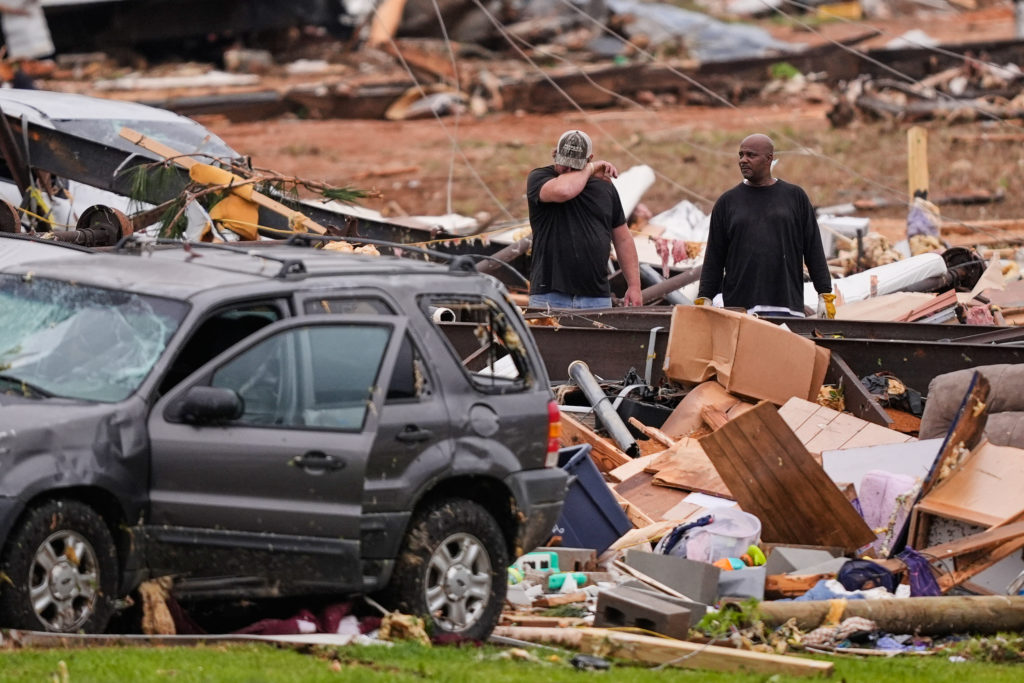
BOGUE CHITTO, Miss. — A dozen people were injured when tornadoes struck a trailer park in Bogue Chitto, Lincoln County, Mississippi, underscoring the precarious living conditions faced by many low-income individuals and families. The incident, confirmed by Scott Simmons, a spokesperson for the Mississippi Emergency Management Agency (MEMA), raises critical questions about disaster preparedness and equitable access to safe housing.
Trailer parks, often the only affordable housing option for low-income residents, are particularly susceptible to tornado damage due to their flimsy construction and lack of adequate storm shelters. The recent injuries in Bogue Chitto are a stark reminder of the human cost of inadequate housing policies and the failure to prioritize the safety of vulnerable populations.
The location of this trailer park in rural Lincoln County presents additional challenges. Rural areas often lack the resources and infrastructure necessary to effectively respond to natural disasters. This includes limited access to emergency services, healthcare facilities, and adequate funding for disaster preparedness initiatives.
Moreover, the prevalence of poverty in Mississippi exacerbates the vulnerability of trailer park residents. Many families lack the financial resources to afford safer housing options or to adequately prepare for natural disasters. This creates a cycle of poverty and vulnerability that is difficult to break.
The role of government in ensuring safe and affordable housing cannot be overstated. Federal, state, and local governments have a responsibility to invest in affordable housing programs, enforce stricter building codes, and provide resources for disaster preparedness in vulnerable communities. This includes funding for storm shelters, community education programs, and emergency assistance.
Furthermore, the incident highlights the need for a more comprehensive approach to addressing the root causes of poverty and inequality. This includes investing in education, job training, and healthcare to create economic opportunities for low-income residents. By addressing the underlying social and economic factors that contribute to vulnerability, we can create a more just and equitable society where everyone has the opportunity to thrive.
The disaster in Bogue Chitto serves as a wake-up call. It is a reminder that we must do more to protect the most vulnerable members of our society from the devastating impacts of natural disasters. This requires a commitment to investing in affordable housing, strengthening disaster preparedness efforts, and addressing the root causes of poverty and inequality.