Totó la Momposina, Champion of Colombian Folk Traditions, Passes at 85
The iconic singer's life was a testament to the power of music to uplift marginalized communities and resist political oppression, leaving a legacy of cultural pride and resilience.
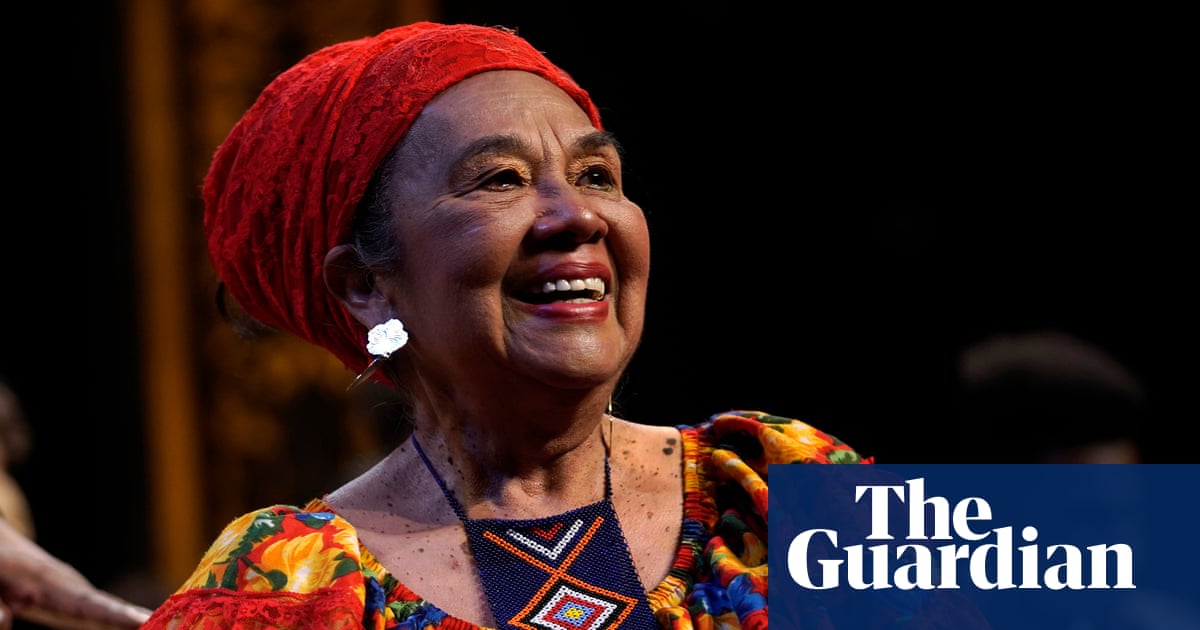
Bogotá - The passing of Totó la Momposina at 85 marks the end of an era for Colombian music and a profound loss for those who see in her work a powerful assertion of cultural identity and resistance against systemic injustices. Her life, a blend of artistic innovation and political struggle, underscores the importance of preserving and celebrating the voices of marginalized communities.
Born Sonia Bazanta Vides in 1940 in the rural town of Talaigua Nuevo, Totó la Momposina's upbringing exposed her to the rich African and Indigenous musical traditions that would define her career. Her family’s move to Bogotá and subsequent adoption of her stage name symbolized her connection to her roots and her commitment to representing the Mompós region, often overlooked and underserved by the Colombian government.
Her rise to prominence in the late 1960s with Totó La Momposina y Sus Tambores was not without its challenges. The blacklisting she faced in 1979 due to her perceived left-leaning political views highlights the dangers faced by artists who dare to challenge the status quo. Her subsequent exile in France underscores the vulnerability of cultural workers under oppressive regimes.
While in France, Totó la Momposina continued to use her music as a tool for social commentary, performing in public spaces and connecting with diverse communities. Her participation in Gabriel García Márquez's Nobel Prize delegation in 1982 demonstrated the power of art and literature to raise awareness about social and political issues in Colombia.
Her partnership with Peter Gabriel's Real World Records in the 1990s gave her a platform to reach a wider global audience, allowing her to share the struggles and triumphs of the Colombian people through her music. Her emphasis on the African and Indigenous roots of Colombian music challenged dominant narratives and celebrated the contributions of historically marginalized groups.
Totó la Momposina viewed traditional music as a living force, constantly evolving and adapting to reflect the experiences of contemporary communities. Her collaborations with younger Latin artists and her embrace of sampling in popular music demonstrate her commitment to bridging generational divides and ensuring that her music remains relevant to new audiences.
Her Lifetime Achievement Award at the Latin Grammys in 2013 and her Chevalier des Arts et des Lettres from the French government in 2016 recognized her contributions to music and culture, but her true legacy lies in the impact she had on the lives of ordinary people who found solace, inspiration, and pride in her music.