Tragedy at Denver Airport Highlights Vulnerabilities in Security and Mental Health Support
Following a fatal runway incident, questions arise about airport perimeter security and the social safety net for vulnerable individuals.
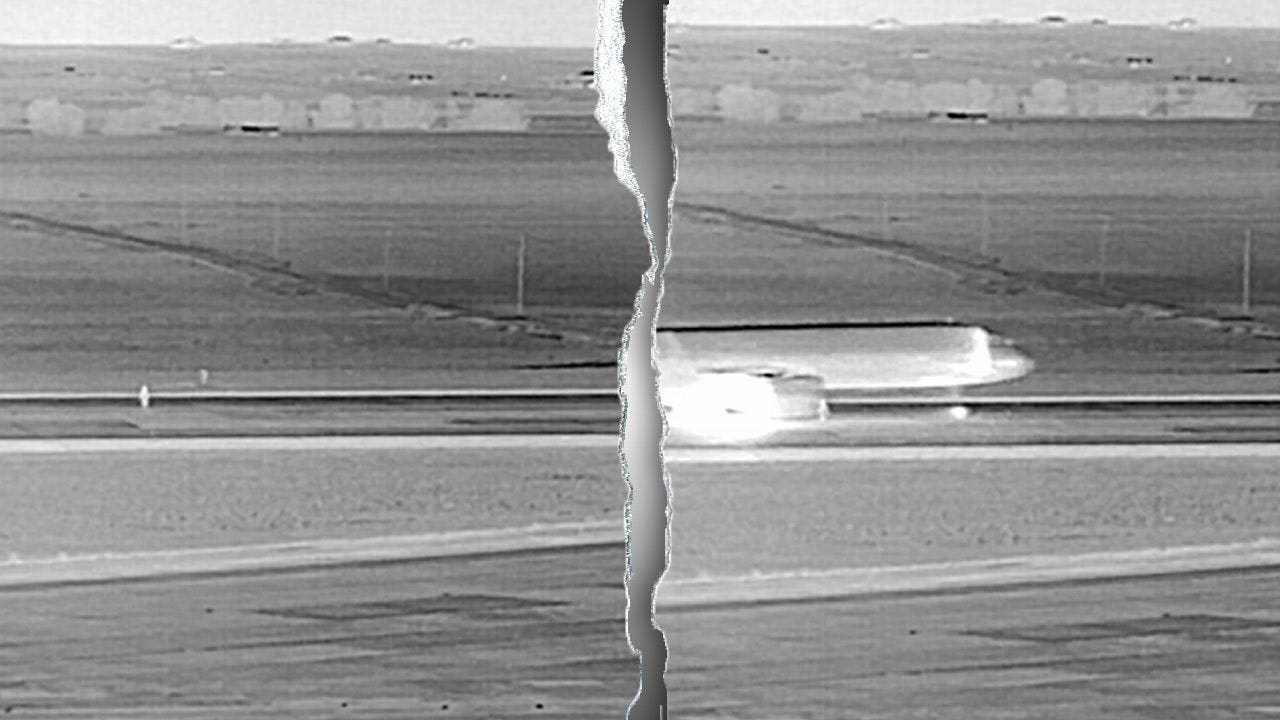
Denver, CO – The death of an individual struck by a Frontier Airlines jet at Denver International Airport (DIA) on Friday night has sparked concerns about airport security protocols and the broader societal issues that may have contributed to the tragedy.
At approximately 11:19 p.m., an unidentified person breached the airport's perimeter fence and entered the active runway, directly into the path of Frontier Airlines Flight 4345 during takeoff. The resulting collision caused a brief engine fire and injuries to twelve people, five of whom required hospitalization.
While airport officials emphasize the regular patrols conducted by security teams and Denver Police, the fact that an individual was able to scale a barbed-wire fence and access the runway within minutes raises serious questions about the effectiveness of current security measures. The claim that the fenceline was found to be "intact" after the incident may not fully address the underlying vulnerabilities in preventing unauthorized access.
Beyond the immediate security concerns, this incident also points to a potential failure of the social safety net. While the identity of the individual remains unknown, their decision to trespass onto an active runway suggests a possible crisis situation, potentially linked to mental health issues, homelessness, or desperation. Without knowing the individual's circumstances, it is difficult to assess whether adequate resources and support systems were available to them. As a society, we must examine how to better identify and assist vulnerable individuals before they reach a point of crisis.
The incident also raises questions about the human cost of efficiency-driven practices within the airline industry. While pilots are trained to respond to emergencies, the trauma of such an event can have lasting psychological effects. Similarly, the passengers who witnessed the incident and the first responders who arrived on the scene may require mental health support to cope with the aftermath.
This incident is not an isolated event. Recent incidents, such as the American Airlines flight fire in Denver and the breach of airport security by a driver who plowed through a gate, suggest a pattern of vulnerabilities that need to be addressed comprehensively. Piecemeal solutions and reactive measures are insufficient to prevent future tragedies.
The investigation by the National Transportation Safety Board (NTSB), the Federal Aviation Administration (FAA), and Frontier Airlines must go beyond the immediate circumstances of the incident and examine the systemic factors that contributed to it. This includes a thorough review of airport security protocols, an assessment of mental health support services for airport personnel and passengers, and a broader societal discussion about how to better support vulnerable individuals in our communities.
Furthermore, this tragedy underscores the need for greater investment in social services and mental healthcare. Addressing the root causes of desperation and vulnerability is not only a moral imperative but also a crucial step in preventing future incidents that jeopardize public safety.
The sympathies expressed by Frontier Airlines are appreciated, but meaningful action is needed to prevent similar tragedies from occurring in the future. This requires a commitment to proactive solutions that prioritize human well-being and address the systemic vulnerabilities that allowed this incident to happen. The investigation must consider the socioeconomic factors that might have led to this tragedy. It is crucial to remember that the individual involved was someone's son, daughter, or neighbor, and their life mattered.