Tragedy Highlights Risks Faced by Soldiers During Joint Military Exercises in Africa
The death of First Lieutenant Kendrick Lamont Key Jr. during African Lion 2024 raises questions about safety protocols and the impact of military activities on local communities.
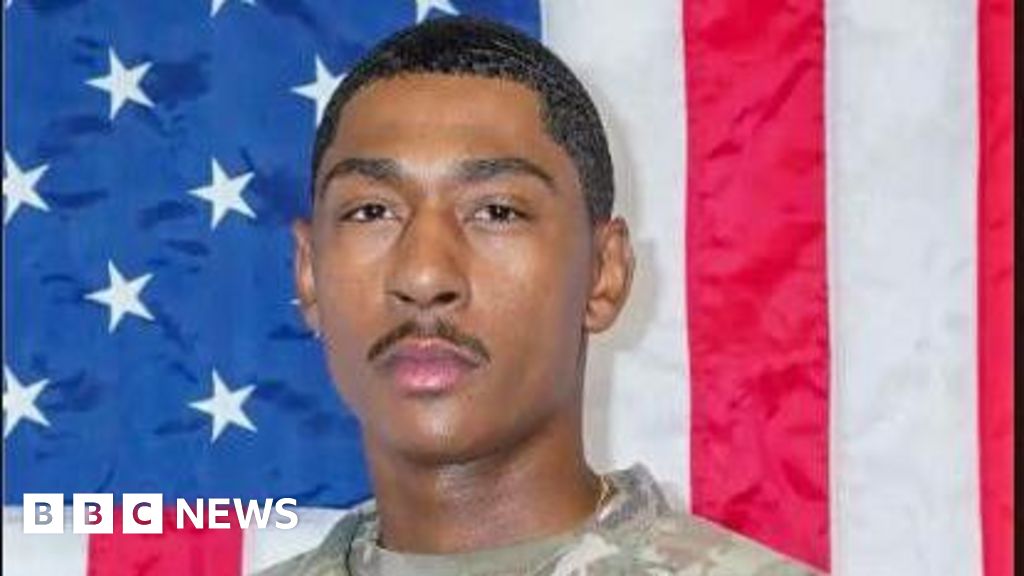
The recovery of First Lieutenant Kendrick Lamont Key Jr.'s body after he went missing off the coast of Morocco is a stark reminder of the risks faced by U.S. soldiers participating in joint military exercises abroad. Key, a 27-year-old platoon leader from Richmond, Virginia, was participating in African Lion 2024 when the incident occurred, leaving behind a grieving family and raising questions about the safety measures in place during these exercises.
African Lion, the largest annual joint military exercise in Africa, brings together U.S. forces, NATO allies, and African nations. While proponents tout its benefits in strengthening international cooperation, critics argue that it contributes to the militarization of the continent and can have negative environmental and social consequences. The exercises often take place in or near local communities, potentially disrupting their livelihoods and exposing them to risks associated with military activities.
The circumstances surrounding Key's death, involving a hiking trip and a failed rescue attempt, highlight the need for a thorough review of safety protocols. The fact that another soldier jumped into the ocean to save Key, who reportedly did not know how to swim, suggests a lack of adequate training and risk assessment. The military must ensure that soldiers are properly prepared for the challenges of operating in unfamiliar environments and that appropriate safety measures are in place to prevent future tragedies.
Beyond the immediate safety concerns, the incident also raises broader questions about the role of the U.S. military in Africa. While the exercises are presented as a way to promote stability and security, some argue that they serve to advance U.S. strategic interests at the expense of local communities. It is essential to consider the potential impact of these activities on the environment, public health, and social cohesion. The U.S. military should prioritize transparency and accountability in its operations and engage in meaningful dialogue with local communities to address their concerns.
The death of First Lieutenant Key should prompt a deeper reflection on the human cost of military exercises and the need for a more responsible and sustainable approach to international cooperation. As Brigadier General Curtis King stated, the 10th Army Air and Missile Defense Command is grieving the loss and will support Key's family. However, true support for Key's family and the broader military community requires a commitment to preventing similar tragedies in the future.
The focus should shift towards investing in diplomacy, development assistance, and conflict resolution initiatives that address the root causes of instability and promote long-term peace and security. The militarization of Africa is not the answer, and the U.S. should prioritize a more holistic and sustainable approach that prioritizes the well-being of local communities and respects their sovereignty.
First Lieutenant Key's service and sacrifice must be honored by working towards a more just and equitable world, where the lives of soldiers and civilians are valued equally and where military interventions are a last resort, not a first option. The ongoing search for the second missing soldier underscores the urgency of this mission.
The incident serves as a reminder of the inherent dangers associated with military service and the importance of prioritizing the safety and well-being of all personnel involved in training exercises and operations. The military must learn from this tragedy and take concrete steps to prevent similar incidents from occurring in the future.